




Why Zimbabwe Mines Cannot Afford Unreliable Power in 2027
Electricity is no longer a background cost for Zimbabwe's mines. One interruption can reach production, pumping, ventilation and site safety at the same time. The useful question for 2027 is not whether the grid can fail, but which loads must keep running when it does.
What changed in Zimbabwe's mining power
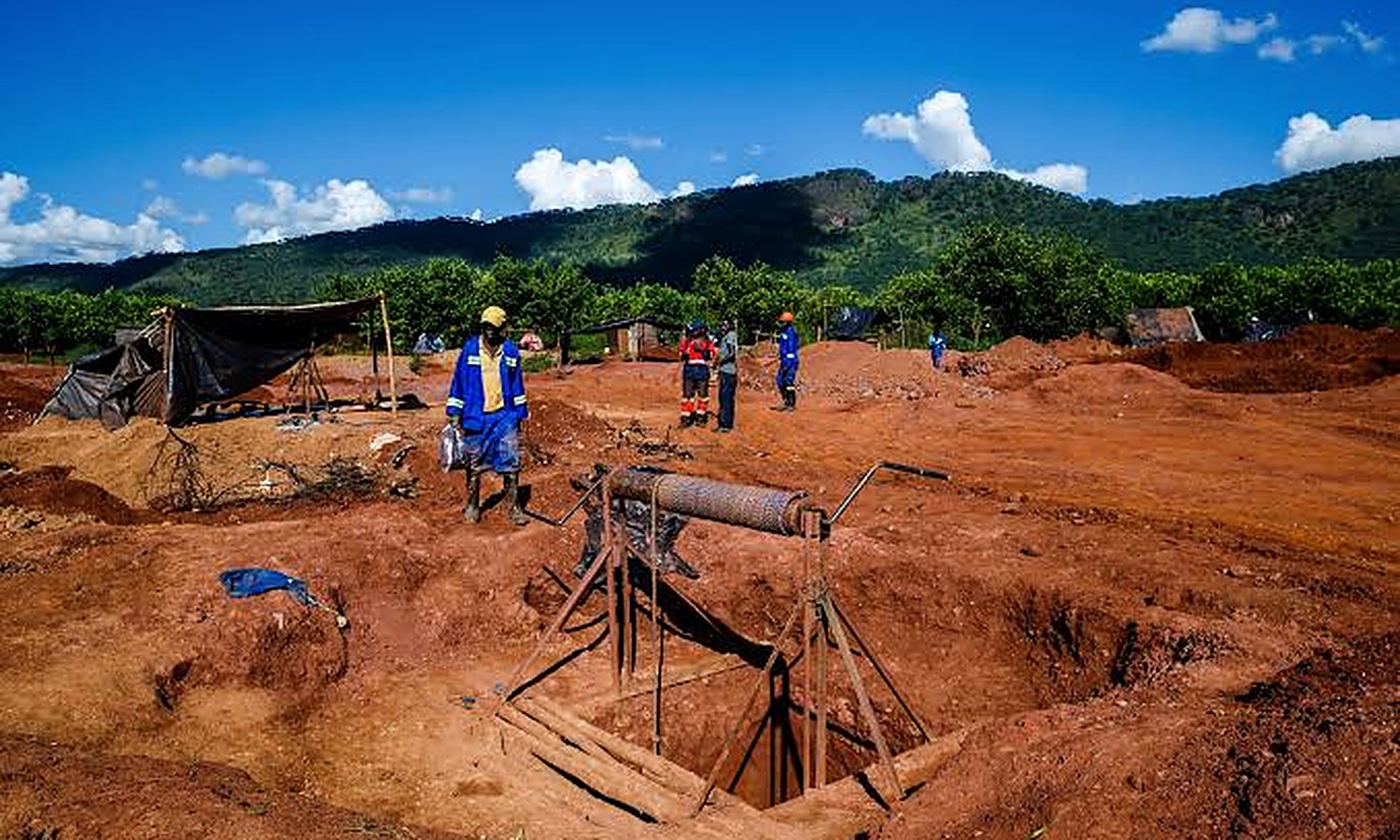
The record is blunt. The World Bank documented that in early 2023 Zimbabwean mining companies were absorbing 12 to 14 hours of load shedding a day, and estimated 2022 mining consumption at about 3,000 GWh against roughly 2,000 GWh of grid supply. Persistent shedding also hit pumping, contributing to flooding and lost hours at high-value gold, diamond and platinum operations.
It has moved since. Industry reporting in 2026 counts 49 large-load applications worth about 1,906 MVA of firm requirements, with mining near 24% of national consumption, rising from roughly 1,000 MW towards 1,500 MW. The 2026 National Energy Compact says the same from the supply side: dependable capacity stays constrained even where installed capacity exceeds peak demand. That is the signal behind the 2027 Kariba allocation cut.
A mine is not one load. It is a chain.
Most generator enquiries go wrong here. A mine is not a figure in kW; it is a set of interdependent systems, and each behaves differently when supply disappears.
- Crushing stops, and material flow through the plant is interrupted
- Grinding stops, and processing capacity falls immediately
- Dewatering stops, and water levels begin to rise
- Ventilation stops, and underground conditions change
- Conveyors stop, and both upstream and downstream stages are disrupted
Selection starts with a written load list, not a standard size. Connected kW tells you little; what matters is which motors run together, how they start, and which the site refuses to lose.
Crushing, grinding and the starting-current trap
Crushers, feeders and conveyors run on large motors with heavy starting requirements. A generator must be assessed for starting, voltage stability and load steps, not only running kW: a set that carries the running load can still stall a crusher because the alternator cannot absorb the dip.
Grinding is the opposite: a large continuous load that may run around the clock, where a trip costs production and makes restart harder. A 1,000 kW critical load can be met by one 1,000 kW set or two 500 kW units in parallel, and the better answer depends on reliability targets and maintenance access. We covered the same trade-off in our field notes from Zimbabwe mine sites.
Dewatering and ventilation: the safety tier
The World Bank tied Zimbabwe's shedding directly to pumping problems and flooding at high-value mines. Even a mine that will not keep producing through an outage insists on main dewatering pumps, drainage controls, instrumentation, emergency lighting and communications. Ventilation sits in the same tier underground: losing fans is not like losing a production line.
| Load tier | Typical equipment | Sizing consequence |
|---|---|---|
| Safety-critical | Dewatering pumps, fans, emergency lighting, comms | First on the bus, highest starting margin |
| Production-critical | Selected crushers, key conveyors, mill auxiliaries | Sequenced starting, sized for the largest step |
| Deferrable | Workshops, offices, non-essential conveyors | Shed by the controller to protect the tiers above |
500-1,000 kW or 1,000-2,000 kW?
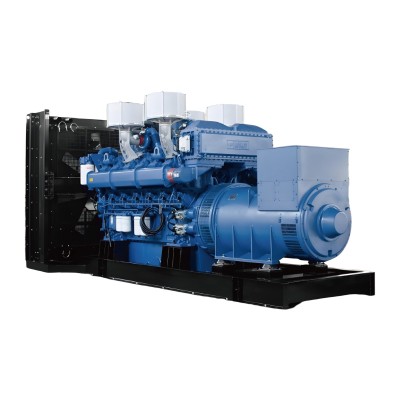
There is no universal number, and any supplier who offers one before seeing a load list is guessing. 500-1,000 kW fits selected critical loads, medium processing areas, pump stations and partial-site backup. 1,000-2,000 kW fits larger critical-load packages or a substantial share of the plant. Above that, synchronized sets beat one very large unit, which is hard to move, hard to spare and impossible to derate gracefully.
The inputs are the same either way: running load, starting current, power factor, sequence, autonomy, standby or prime duty, altitude, ambient temperature, fuel storage, plus ATS and synchronization.
The builds that fit mine duty
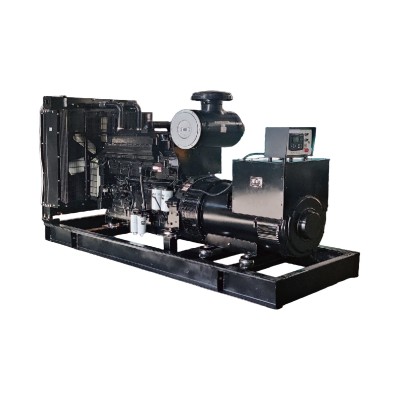
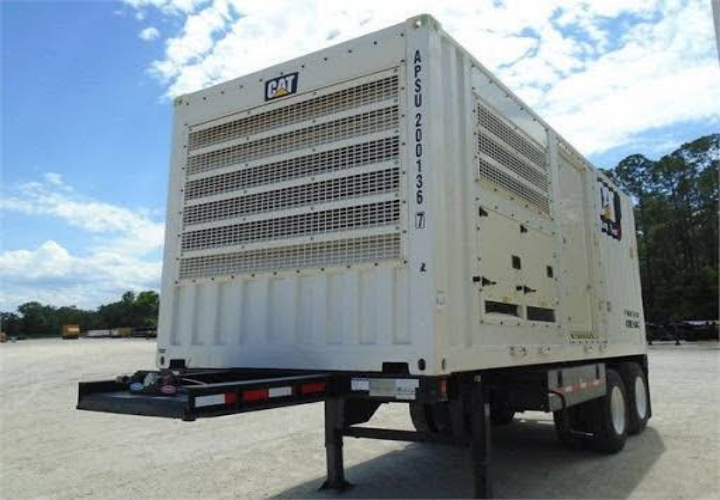
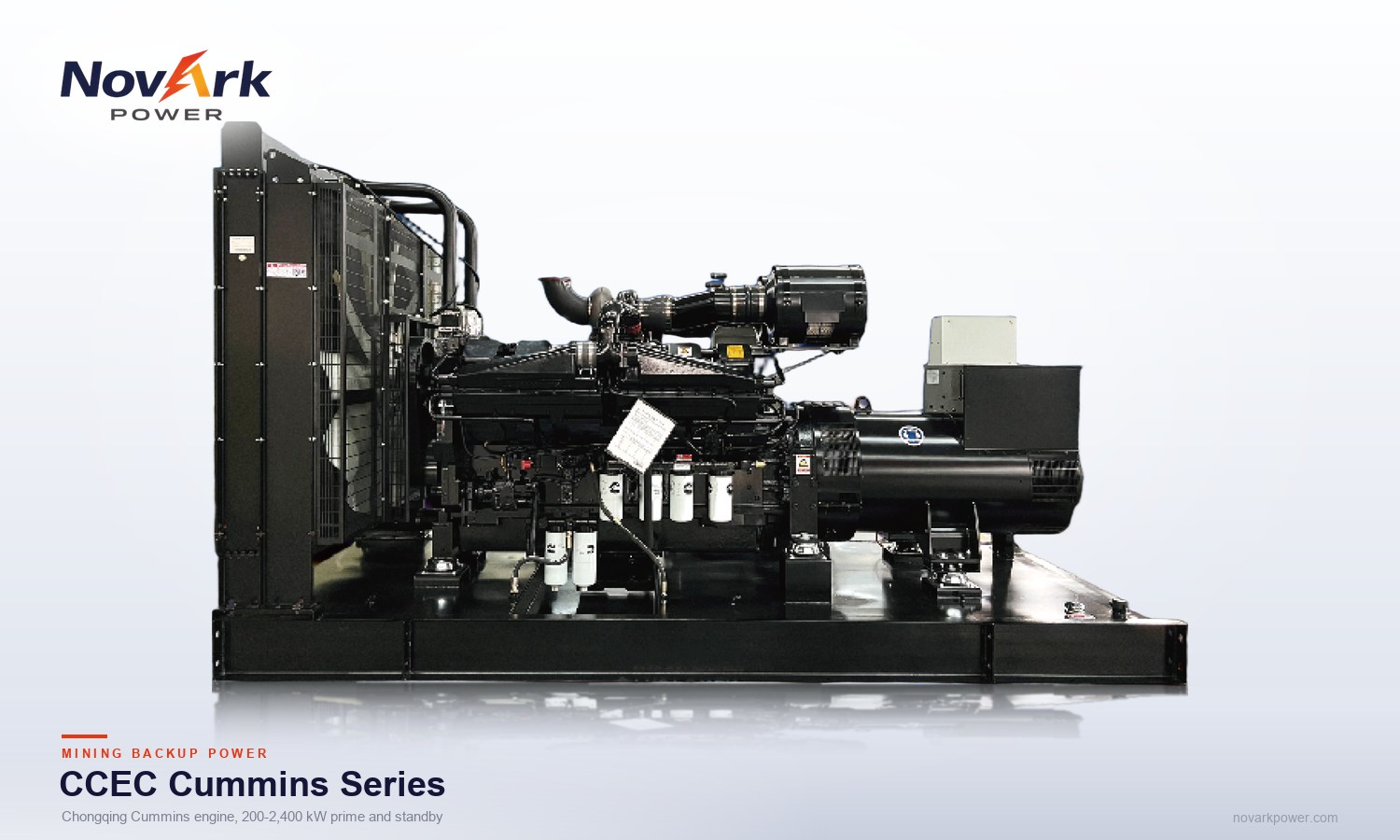
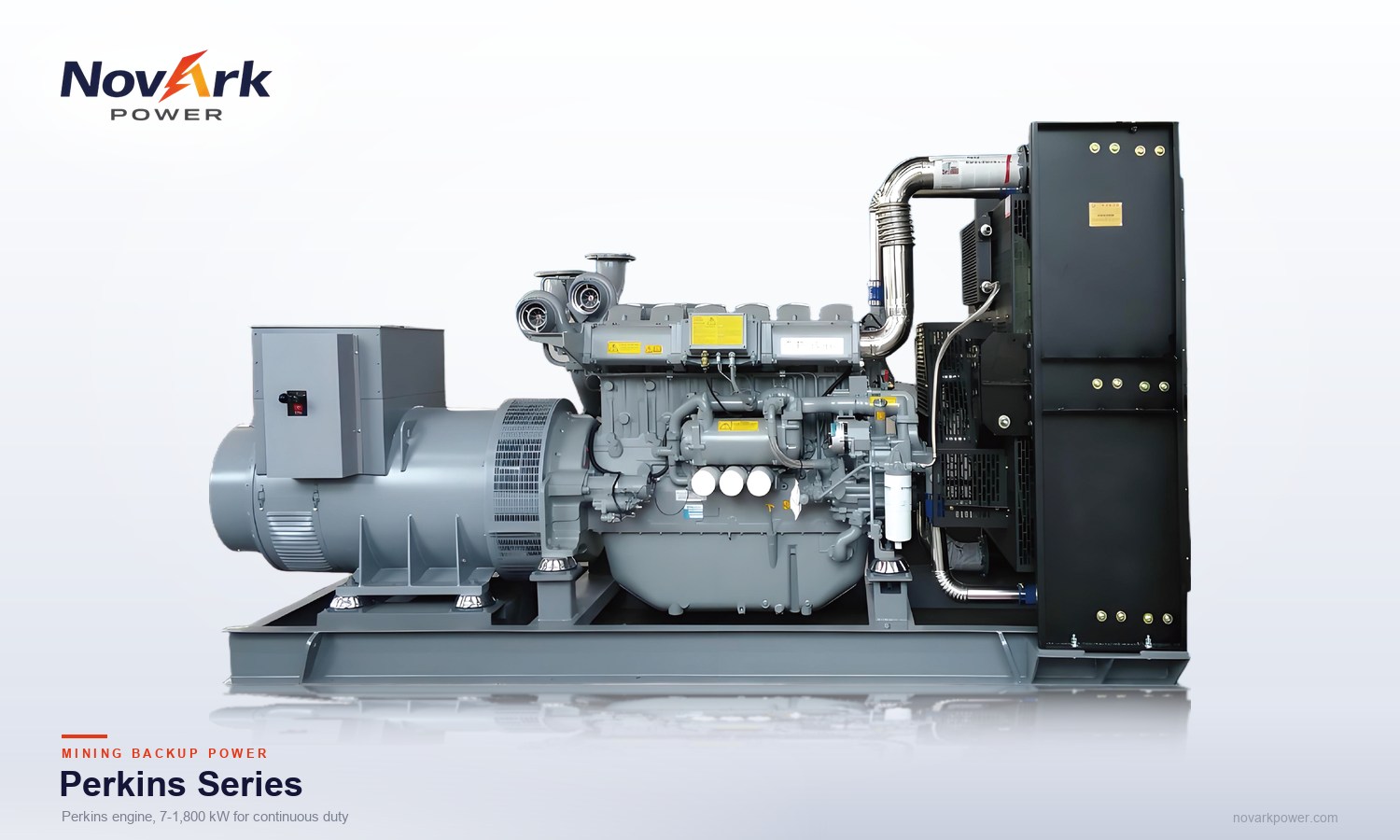
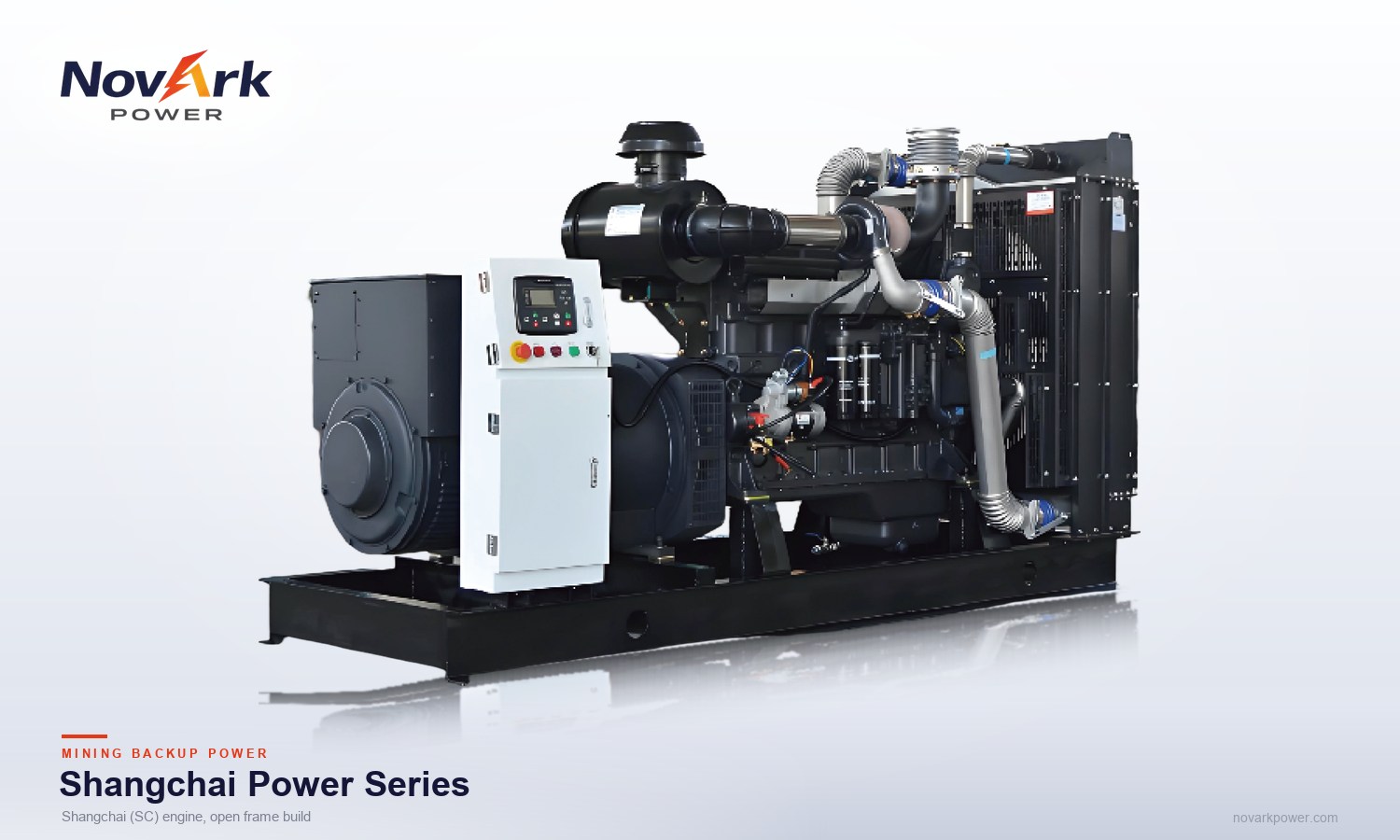
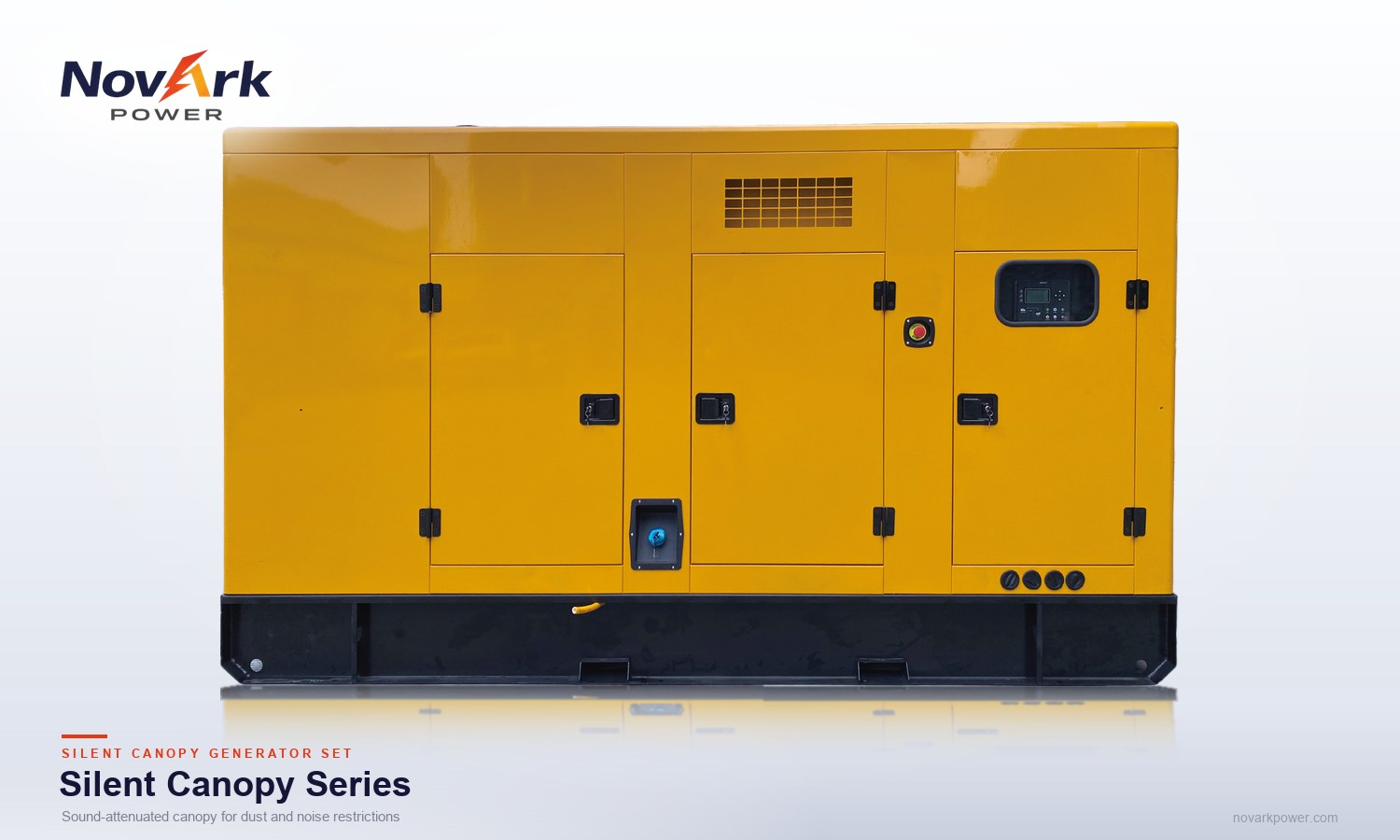
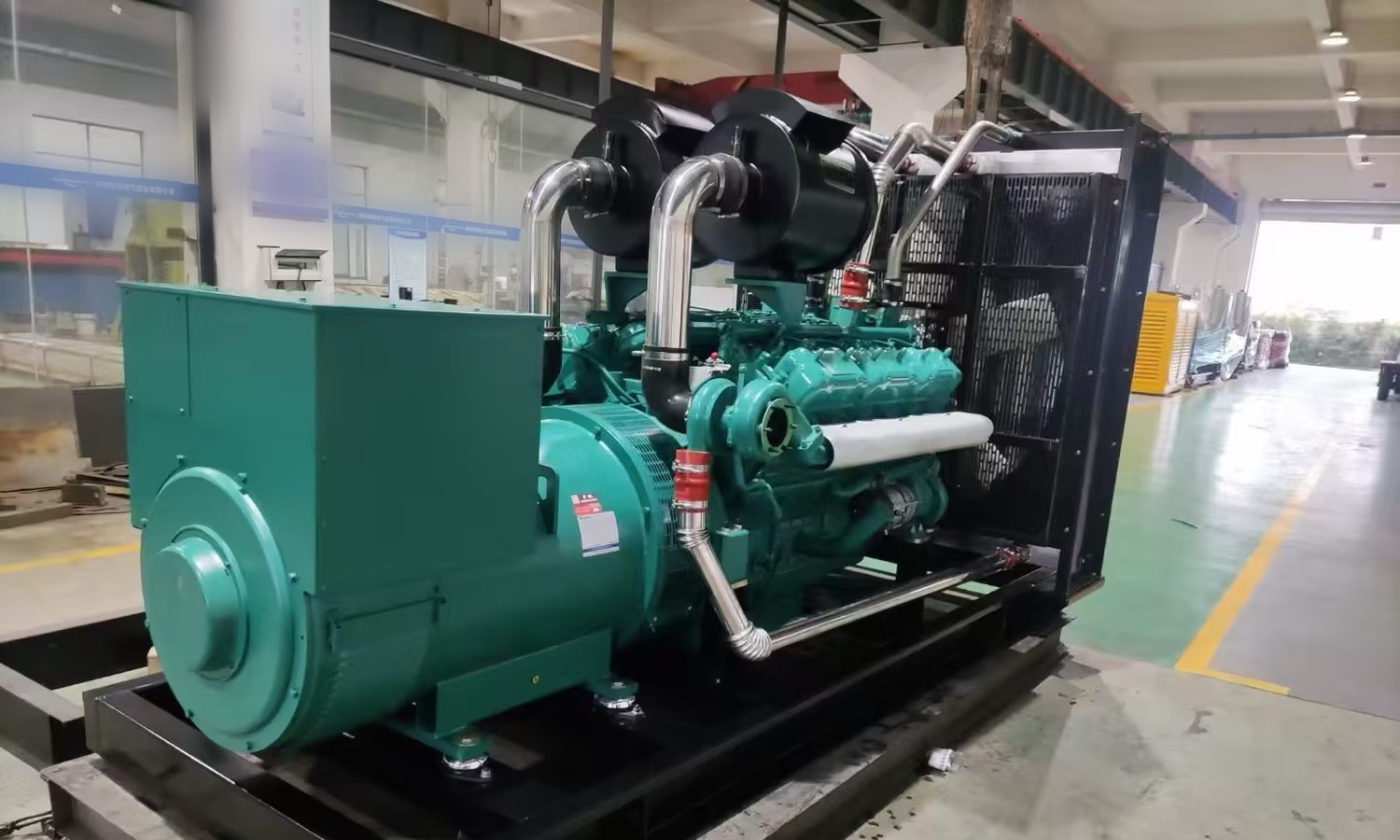
Most mining enquiries land on a few configurations: open-frame sets for plant duty, Cummins and Perkins platforms where fitters and parts exist in country, Shangchai where the budget is tighter, and canopies where noise is a permit condition.
Why parallel sets earn their place
Mine loads move. A single large unit runs at a poor loading point most of the year and gives no fallback the day it needs service. Synchronized sets share load, bring units on as demand rises, and let one machine come out without stopping the plant: redundancy, flexible maintenance, expandable capacity. A 1,500 kW critical load can be met by one set or several on the same duty, and the choice should turn on reliability, not purchase price. It is the part of a generator package most often underspecified.
What the system should include
- 01
Engine and alternator
Engine matched to power, duty, fuel quality and altitude; alternator matched to the rating and the starting margin the plant needs.
- 02
Control and protection
Controller watching voltage, current, frequency, temperature, oil pressure and alarms, with protection set to trip before damage, not after.
- 03
ATS, synchronization and fuel
Automatic transfer where the site is designed for it, synchronization for parallel sets, and fuel storage sized on hours, refuelling distance and access.
The sequence that works is short: map critical loads, calculate running and starting requirements, decide how much production must survive an outage, compare single and parallel options, then settle fuel and maintenance access before the order. Waiting for a grid problem means buying under pressure at whatever lead time the market offers.
Questions mines ask before specifying
Is 500 kW enough for a gold mine?
It can be enough for selected critical loads or a smaller operation. It is not a figure to accept without a load assessment, because starting current usually decides the answer.
One large generator or several smaller ones?
Not automatically. Synchronized sets give redundancy and flexible load management, which matters more on a mine than a marginally lower cost per kW.
What should a mine send for a quotation?
Load list, motor ratings and starting methods, voltage, frequency and phase, operating hours, altitude, ambient temperature, and whether duty is standby or prime.
Planning a gold mine or processing plant in Zimbabwe? Send your load list through our contact page - NovArk Power builds 30 kW to 2,000 kW sets and parallel systems beyond that.
Note. Load-shedding figures describe early 2023 and are used as background, not as a description of 2027 conditions. Grid, fuel and logistics conditions vary by site and should be verified locally. Final sizing requires the actual load list, motor data and a professional electrical assessment.