




2027 Kariba Water Allocation Cut: Why Zimbabwe and Zambia Need Reliable Backup Power Solutions
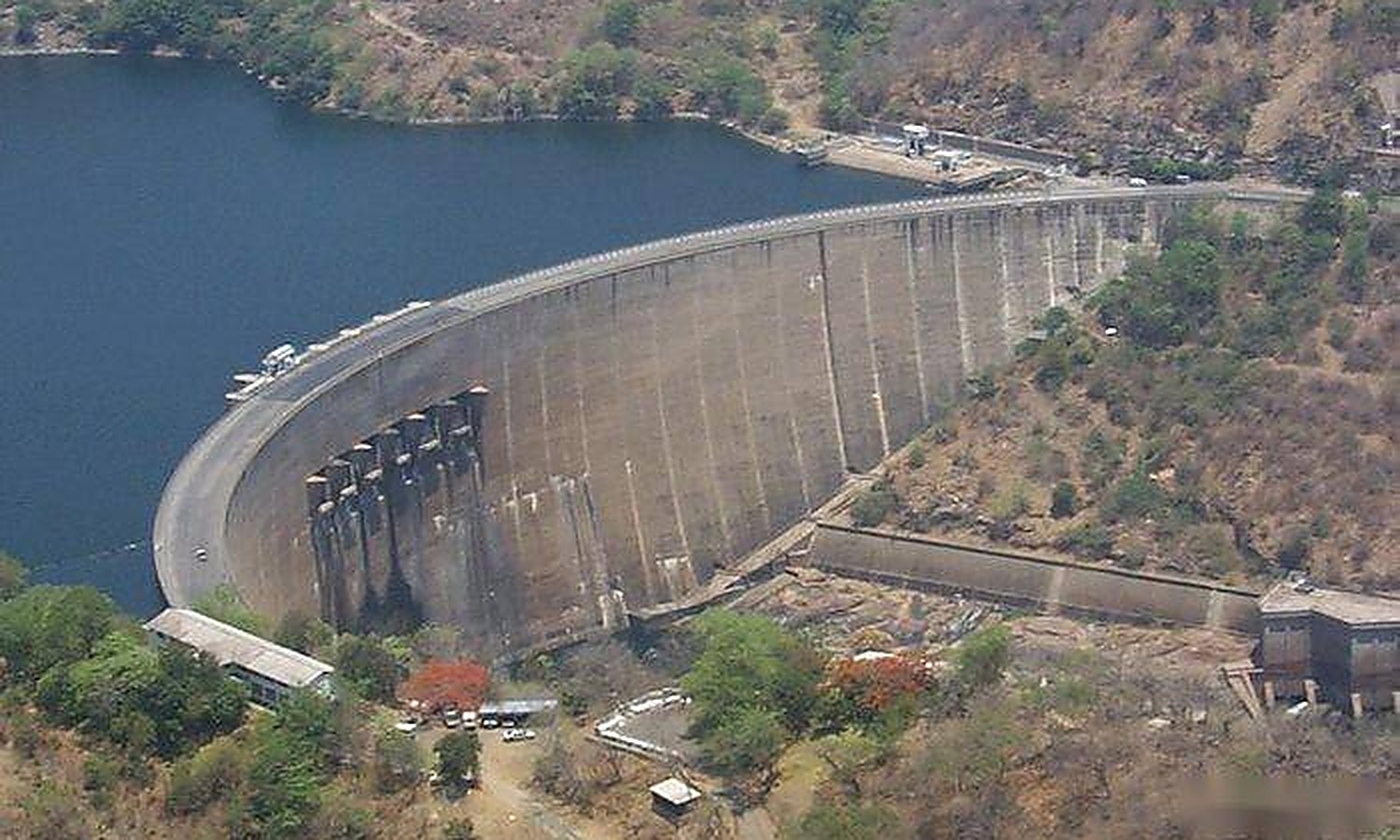
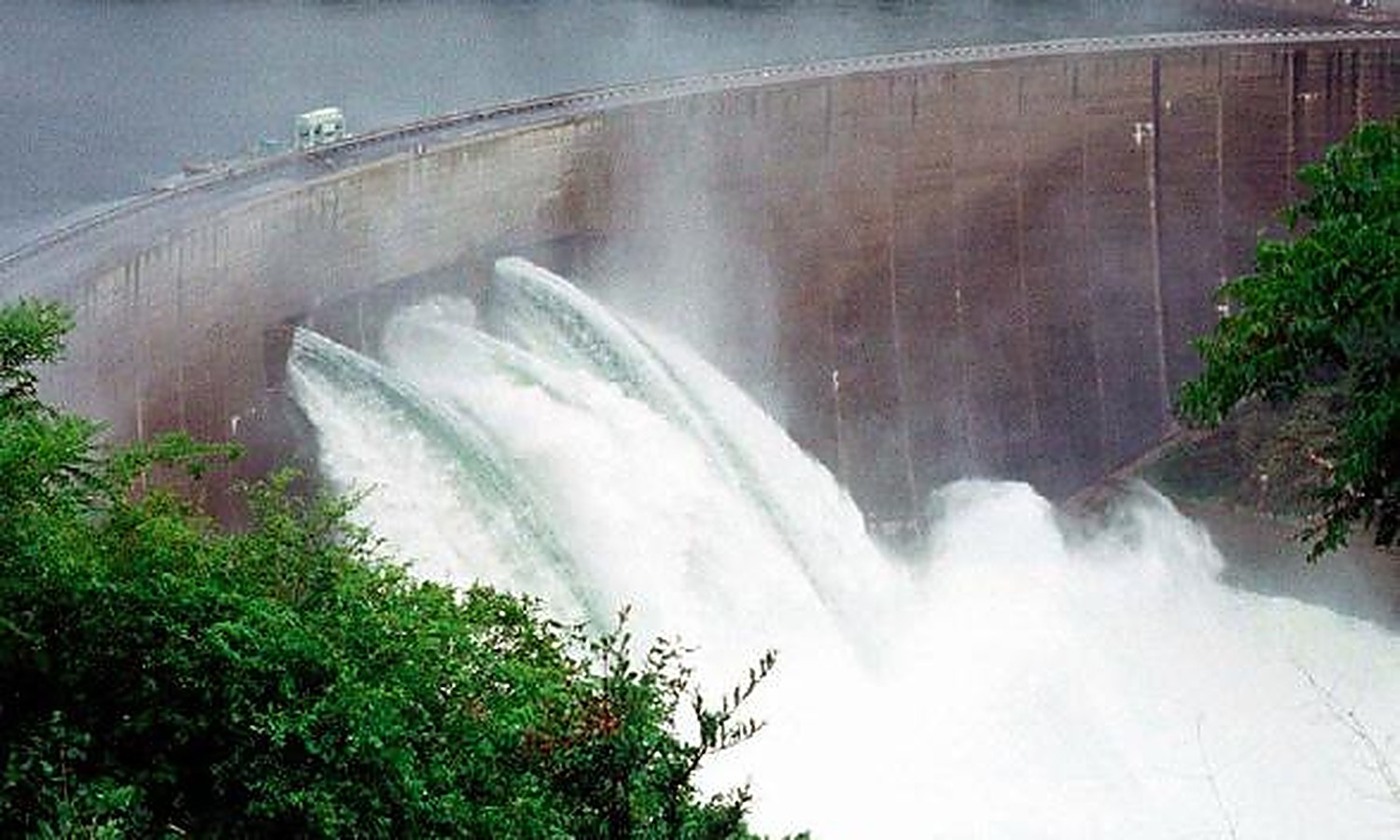
The Zambezi River Authority has approved 23 billion cubic metres (BCM) of water for power generation at Kariba in 2027, down from 36 BCM in 2026 - about 36% less, or 11.5 BCM each for ZESCO and the Zimbabwe Power Company.
The decision follows the SARCOF-33 outlook, which favours below-normal rainfall across southern Zambia and much of Zimbabwe from January to March 2027 under strengthening El Nino conditions.
For mines, factories and commercial sites, the question is not whether load shedding returns, but whether the site can carry its critical load if it does.
What the allocation actually changes
A water figure is not an electricity figure, and the gap between them decides how much equipment a site really needs.
| Item | 2026 | 2027 |
|---|---|---|
| Combined allocation | 36 BCM | 23 BCM |
| Zambia (ZESCO) | 18 BCM | 11.5 BCM |
| Zimbabwe (ZPC) | 18 BCM | 11.5 BCM |
| Change | - | -36.1% |
Why a fuller reservoir does not guarantee output
The lake did recover. On 14 October 2026 it stood at 480.65 m with 23.77 BCM usable - about 36.7% of live storage, against 8.25 BCM a year earlier. The Authority projects a close of 2026 at 16.24 BCM (25.1%), and a close of 2027 at 476.80 m with 5.83 BCM, roughly 9%.
Output depends on allocation, inflows, unit availability and demand together - a better level buys headroom, not next year's generation.
Why hydropower dependence drives backup demand
Zambia has drawn roughly 85% of installed capacity from hydropower, per the US International Trade Administration's 2026 country guide. Solar has reached about 1,027 MW, close to 22% of capacity, but it is not dispatchable on demand.
Zimbabwe runs Kariba alongside Hwange thermal and independent producers, and went through 2026 without load shedding - which is why a tighter 2027 allocation deserves planning now. Mining concentrates the risk: crushers, mills, conveyors and dewatering pumps draw hard starting currents and run continuously, so an interruption becomes a production and safety event.
Where diesel fits in a mixed strategy
Solar and storage should keep growing. A diesel set answers a different question: dispatchable on demand, it starts through a transfer switch and delivers a defined block of power for as long as fuel lasts.
- Small commercial premises: 30-100 kW
- Workshops and light factories: 100-300 kW
- Medium industrial plants: 300-800 kW
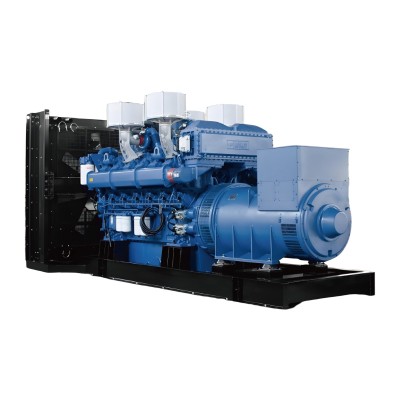
- Large factories and mines: 800-2000 kW
Bands are indicative; capacity comes from a load study, and the duty rating must be settled before any price comparison.
Matching the set to the site
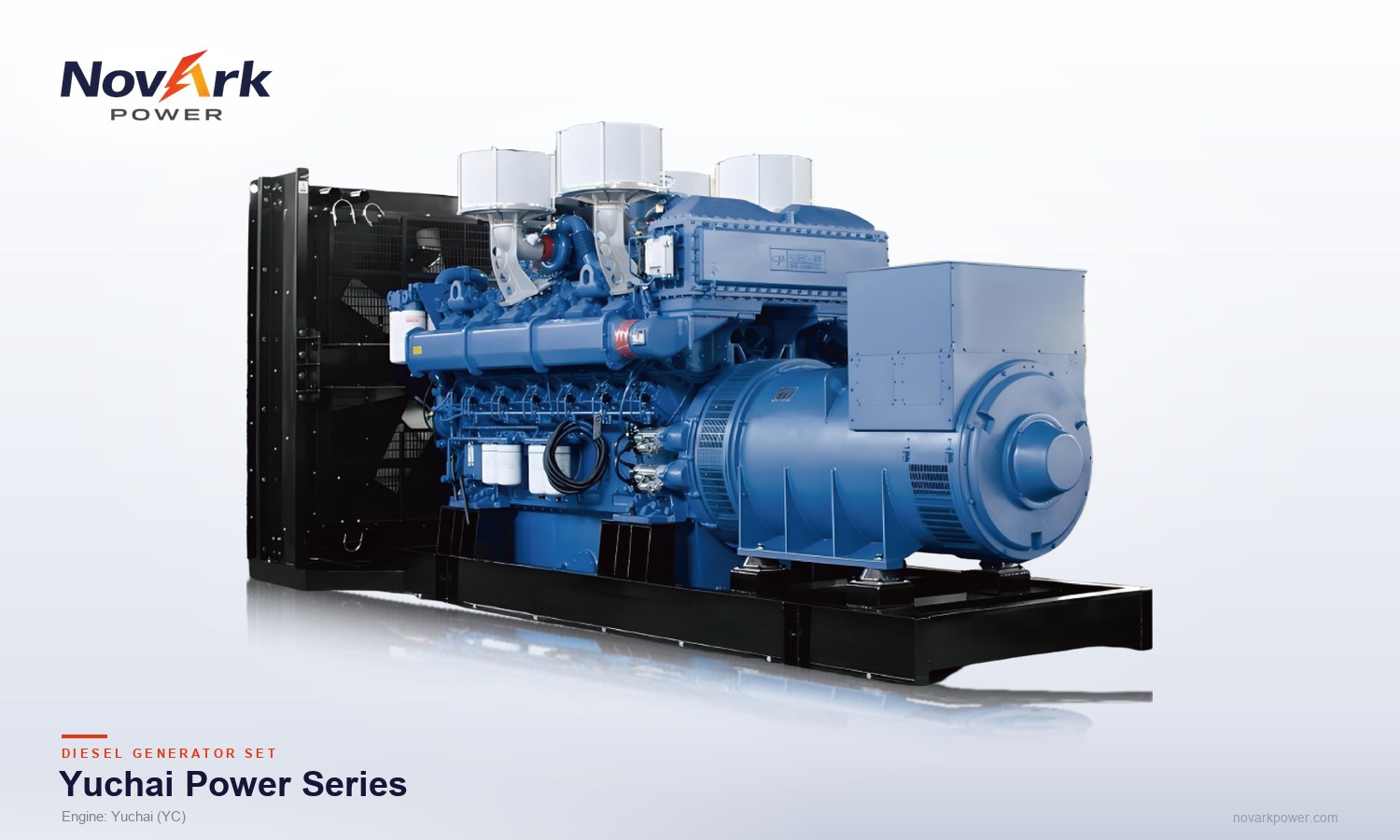
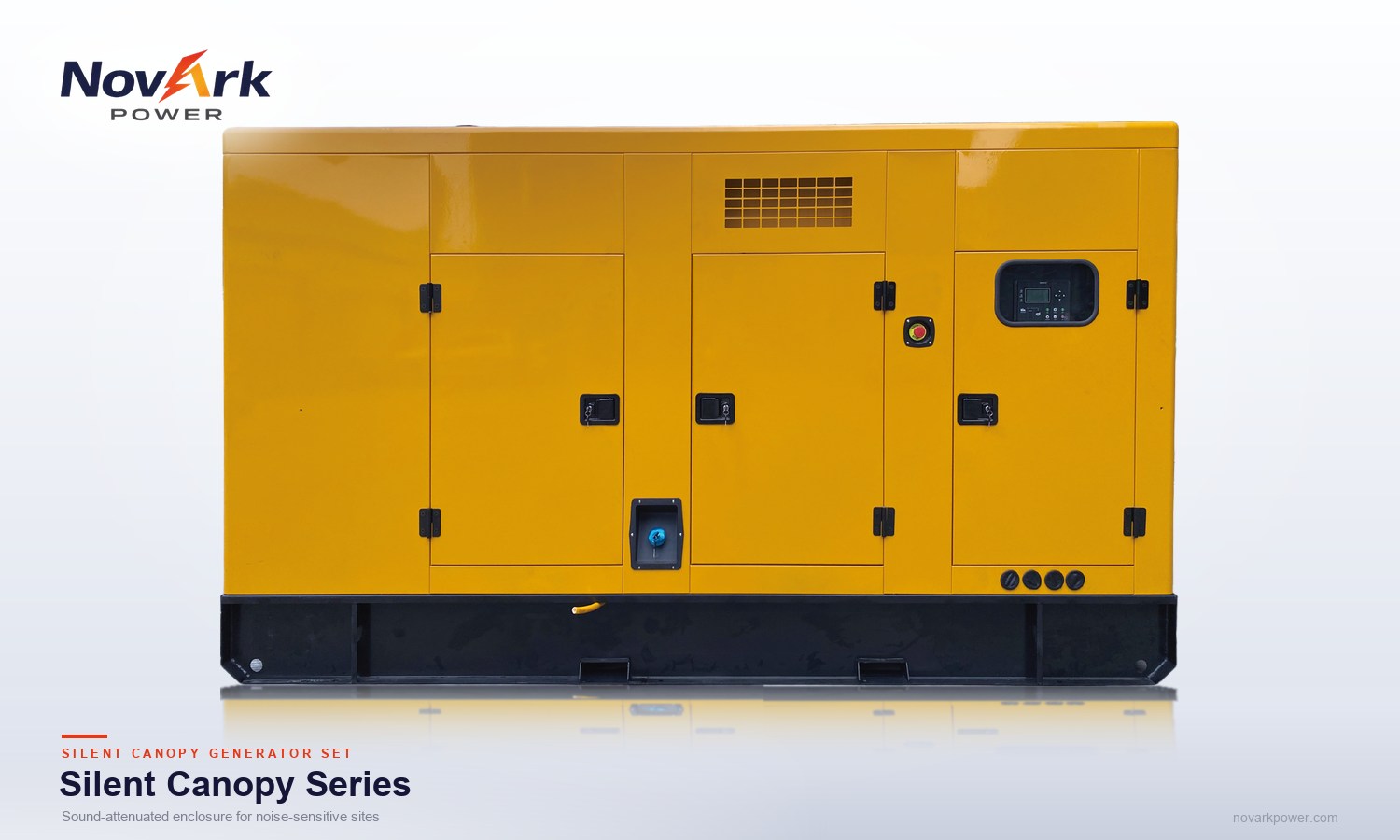
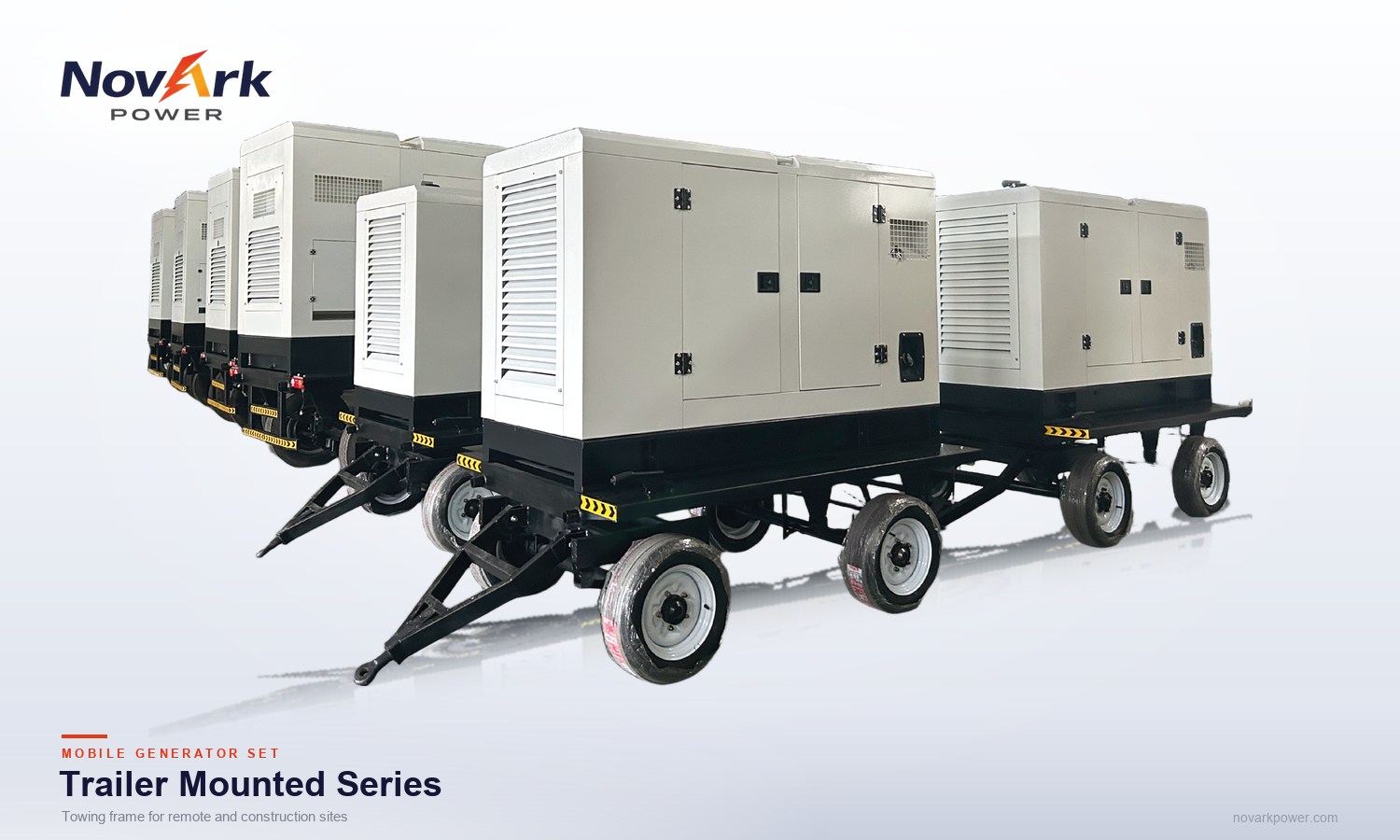
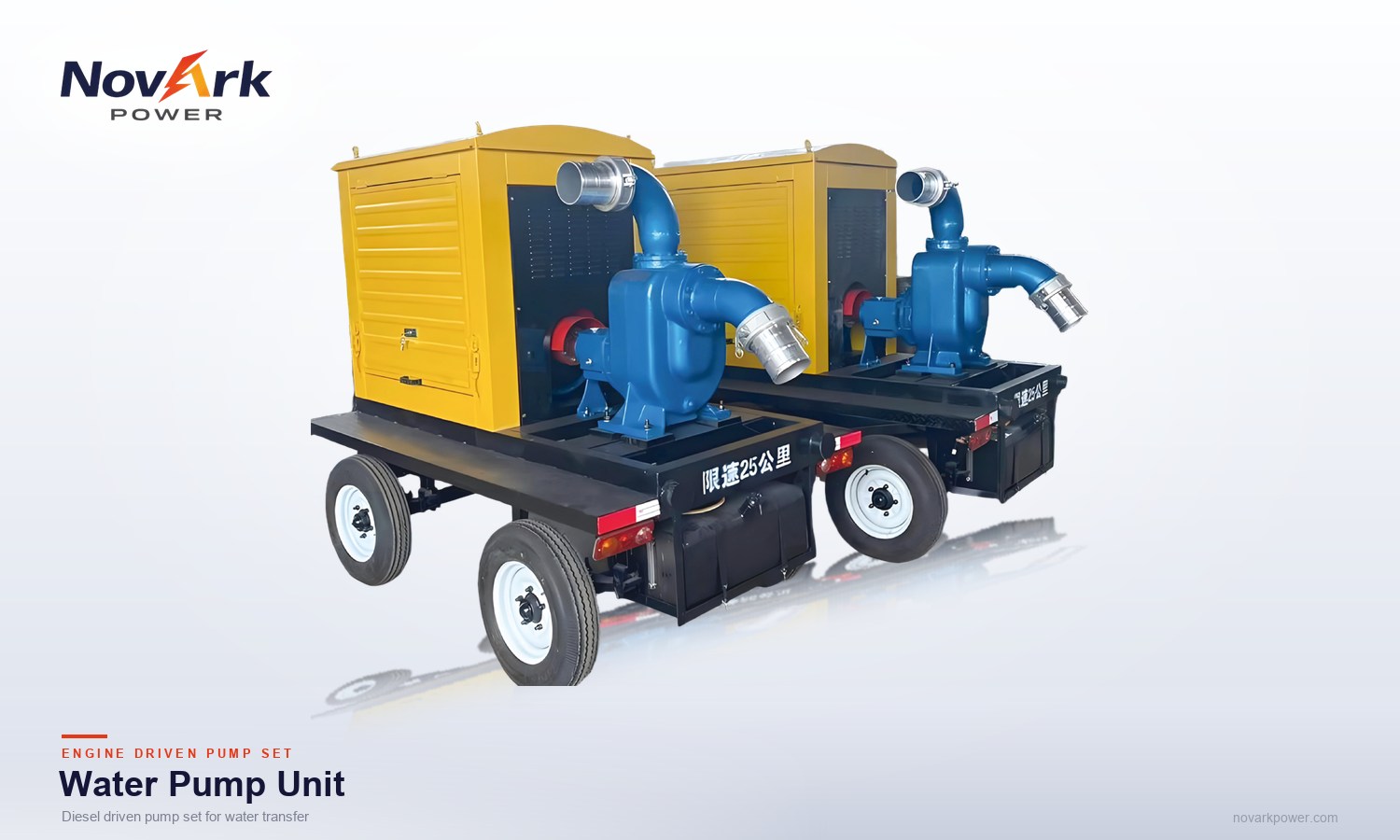
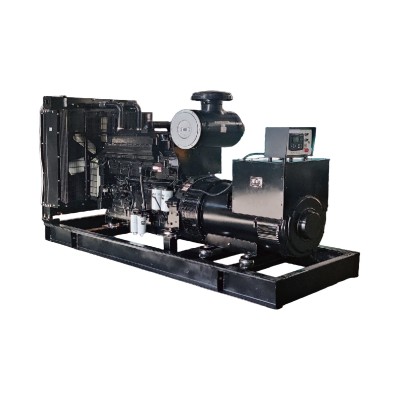
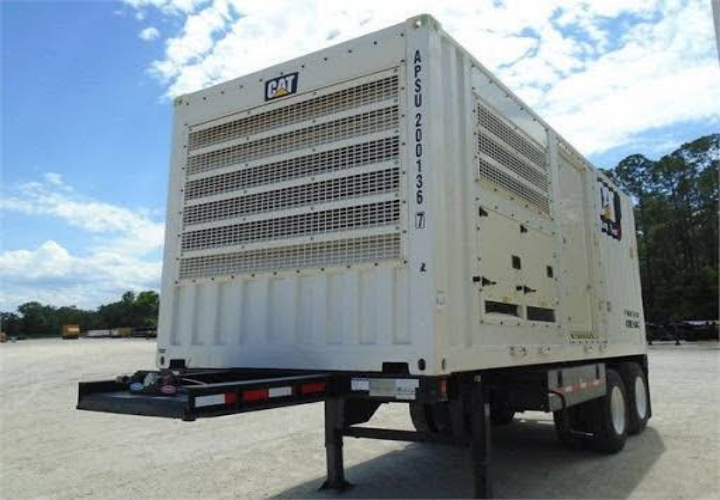
Mines need open frame or synchronised sets that absorb motor starting; commercial buildings specify the canopy because the set sits near occupied space; remote sites want a towing frame; pump stations need the set matched to the pump curve.
How to specify for southern African conditions
- 01
Build the critical load list
What must stay energised, at what power factor, and what can be shed.
- 02
Size to the largest starting duty
Check block load acceptance against the biggest motor start, not connected load.
- 03
Fix the duty rating
Standby for outages, prime for continuous, parallel for redundancy.
- 04
Check fuel and service logistics
Tank size, resupply distance and local support decide week-three uptime.
Frequently asked questions
Does the 2027 cut mean guaranteed load shedding?
No. It means tighter water management. Supply depends on rainfall, thermal output, imports and utility decisions - a planning signal, not a forecast.
How much capacity does a factory or mine need?
It runs from connected equipment, simultaneity, motor starting current, power factor and whether you back up essential loads or the whole plant.
Planning for 2027
The lesson from Kariba is not that hydropower is unreliable, but that a system built on one dominant source carries seasonal risk - and imported equipment takes longer to arrive than a dry season takes to develop.
NovArk Power supplies diesel generator sets from 30 kW to 2000 kW, with SDEC, Yuchai, Weichai, Pangu, Cummins and Perkins engine options. Planning a project in Zimbabwe, Zambia or elsewhere in Africa? Send the critical load list through our contact page.
Prepare today. Keep your operations powered tomorrow.
Note. Figures follow the Zambezi River Authority statement of October 2026 and contemporaneous reporting. Rainfall outlooks are probabilistic, and a reduced allocation does not by itself mean an equivalent fall in generation. Capacity requires a professional load assessment.