




Zimbabwe Field Notes: What 15 Days at Mine Sites Taught Us About Diesel Generator Sizing
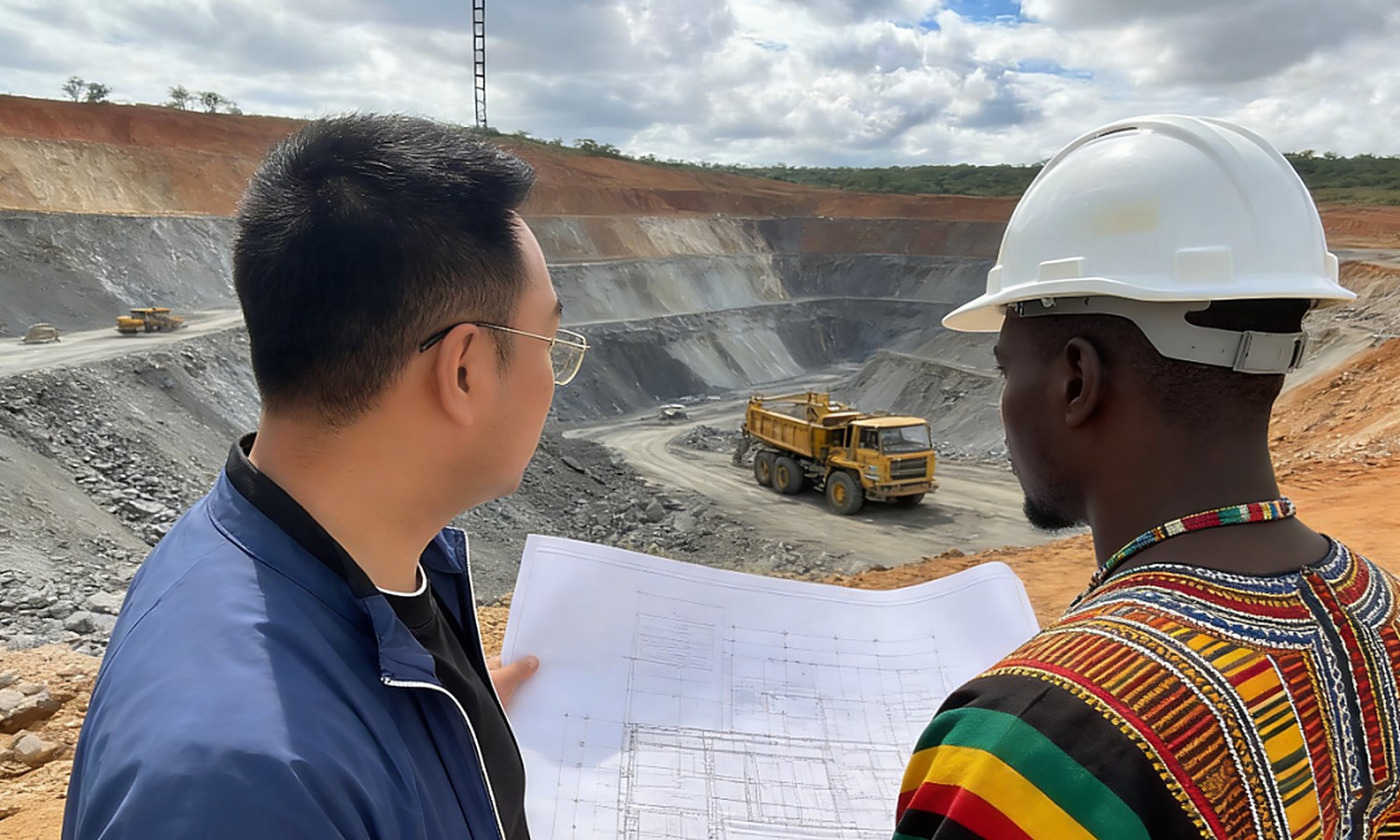
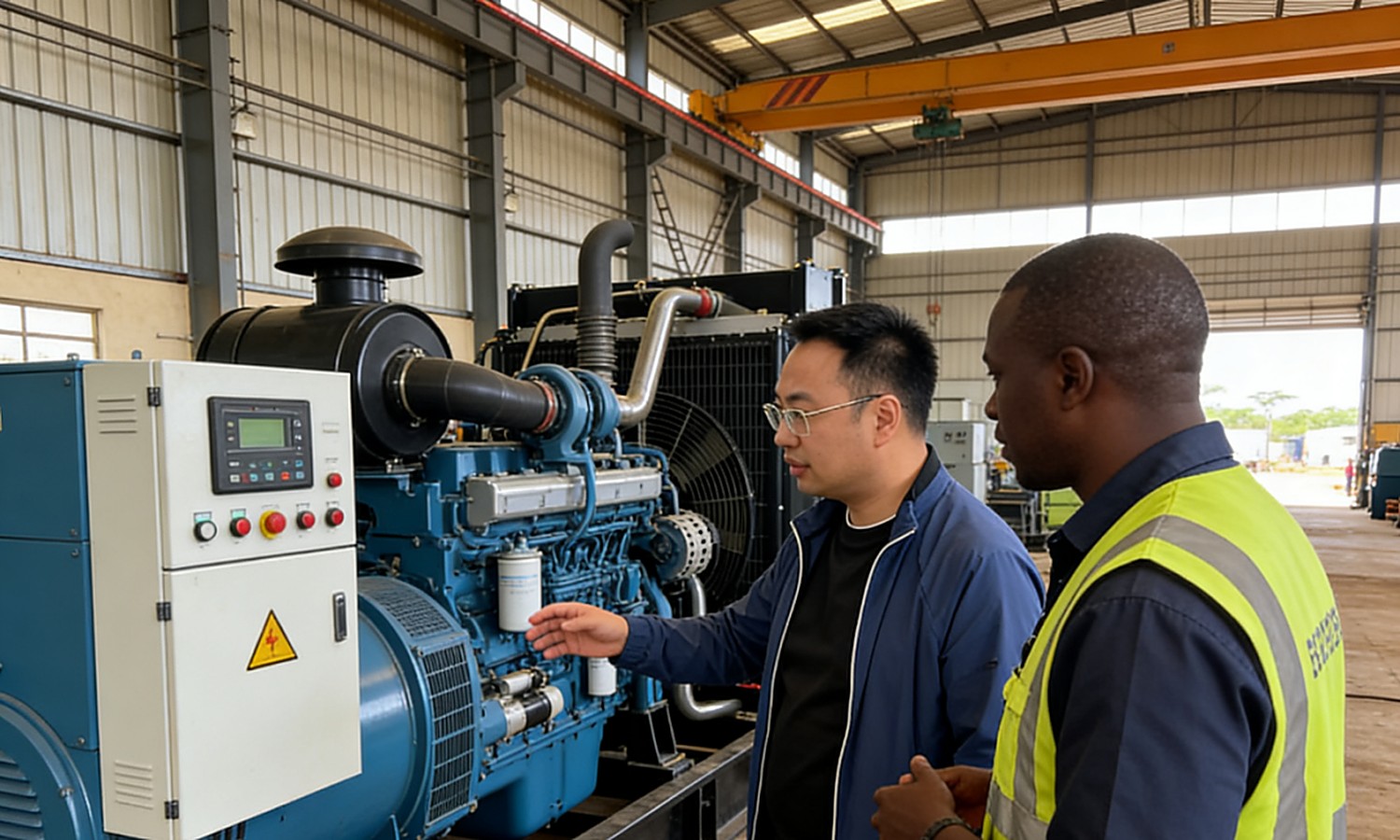
Fifteen days, one plateau, and a grid that behaves nothing like the datasheet assumes. Our team walked mine plants, pump stations and contractor yards around Harare to watch generator sets work in the conditions they were bought for.
Why we went in person
Harare sits about 1,483 m above sea level and most of the mining belt runs between 1,200 and 1,600 m. A set rated 500 kW on a sea-level bench does not deliver 500 kW at 1,500 m in 35°C air with dust on the radiator; the gap is air density and cooling margin.
What a visit adds is what no catalogue prints: how often supply fails, what maintenance has time to do, and what the site does at 2am when a feeder trips.
What an unreliable supply does to a working day
National load shedding in Zimbabwe eased through 2026 as Kariba output and thermal generation recovered. Site-level reliability did not improve at the same pace, and operators described something more specific than headline blackouts:
- Voltage sag and single-phasing on long 33 kV feeders, which trip contactors before supply is lost
- Short interruptions of two to twenty minutes that stop a crusher line, where restarts cost more than the lost kWh
- Rural irrigation feeders, where the repair cycle is measured in days
That pattern decides the specification. Failing twice a month for four hours calls for fuel autonomy and a comfortable continuous rating. Failing twice a day for ten minutes calls for fast starting, an alternator that absorbs restart currents, and a controller that sequences loads.
It also explains why the 2027 Kariba allocation, down to 23 billion cubic metres from 36 BCM, reads to buyers as a planning signal rather than a crisis. Nobody we met expects the lights to go out; everybody expects the next dry year to be tighter.
The conditions that decide whether a set survives
Zimbabwe is not one climate: the highlands run cool and wet, the lowveld hot and dry, and mine sites sit between the two with dust of their own making.
| Condition | What it does to a set | What we specify |
|---|---|---|
| Altitude 1,200-1,600 m | About 1% output loss per 100 m above 1,000 m, so ~5% at 1,500 m | Size on derated output, not the bench rating |
| Ambient 32-38°C | About 1% derate per 5.5°C above the 25°C ISO reference | Oversized radiator, alarm below the trip point |
| Dust from haul roads | Filters load, radiators foul | Two-stage filtration, restriction gauge, IP23 alternator |
| Fuel quality and water | Pump and injector wear | Water separator, coarse pre-filter, shorter intervals |
None of this is exotic. The failure mode is treating it as an optional extra rather than a sizing input.
Sizing on starting current, not nameplate totals
Mines and pump stations rarely fail on running load. They fail in the first second. A 250 kW motor drawing about 470 A at full load can pull close to 2,800 A while accelerating direct-on-line, and with two or three starting together the set sees a demand far above the nameplates.
Three honest ways to handle it: oversize the alternator so it absorbs the dip, change the starting method through a soft starter, star-delta or VFD, or sequence the loads. Most sites end up using two of the three.
- 01
Build the load list
Every motor with its starting method, what must stay energised, what can be shed. Connected kW is the least useful number in the file.
- 02
Fix the duty rating
Standby, prime or parallel. The same kW at a different rating is a different machine and warranty.
- 03
Size the tank against resupply
Remote sites should size fuel on resupply distance. On a site 400 km from Harare, the nearest technician is part of the machine.
The four builds we quoted most
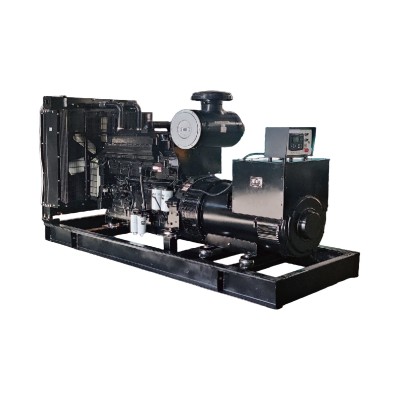
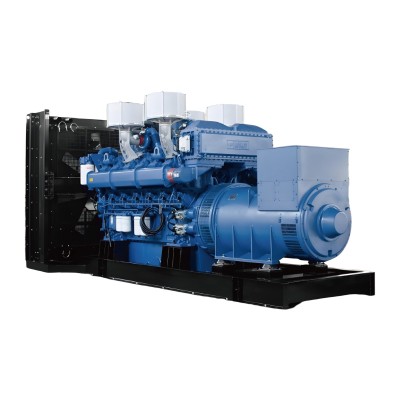
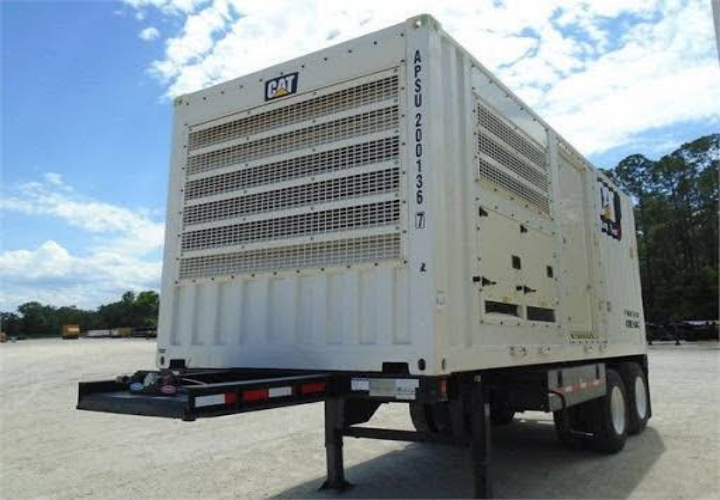
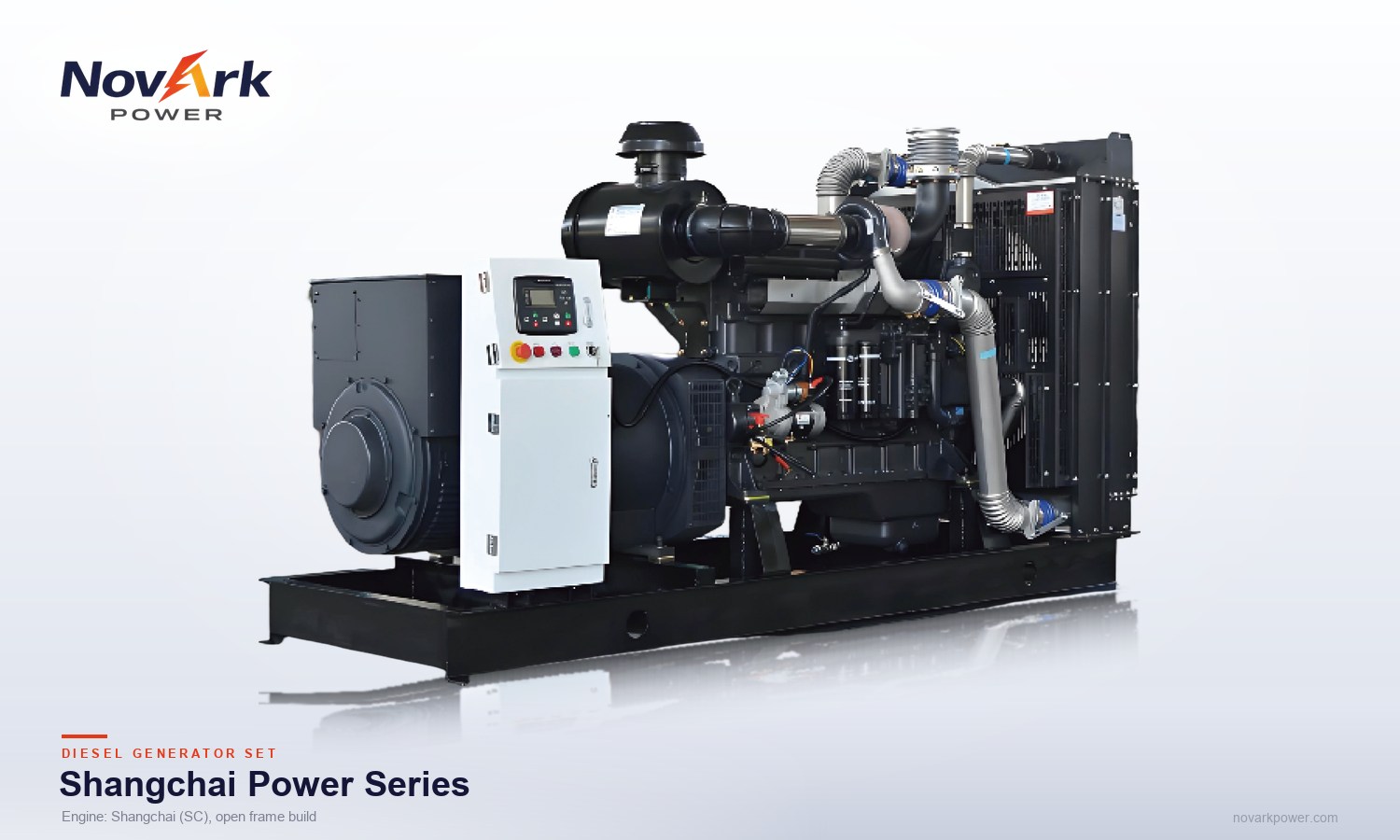
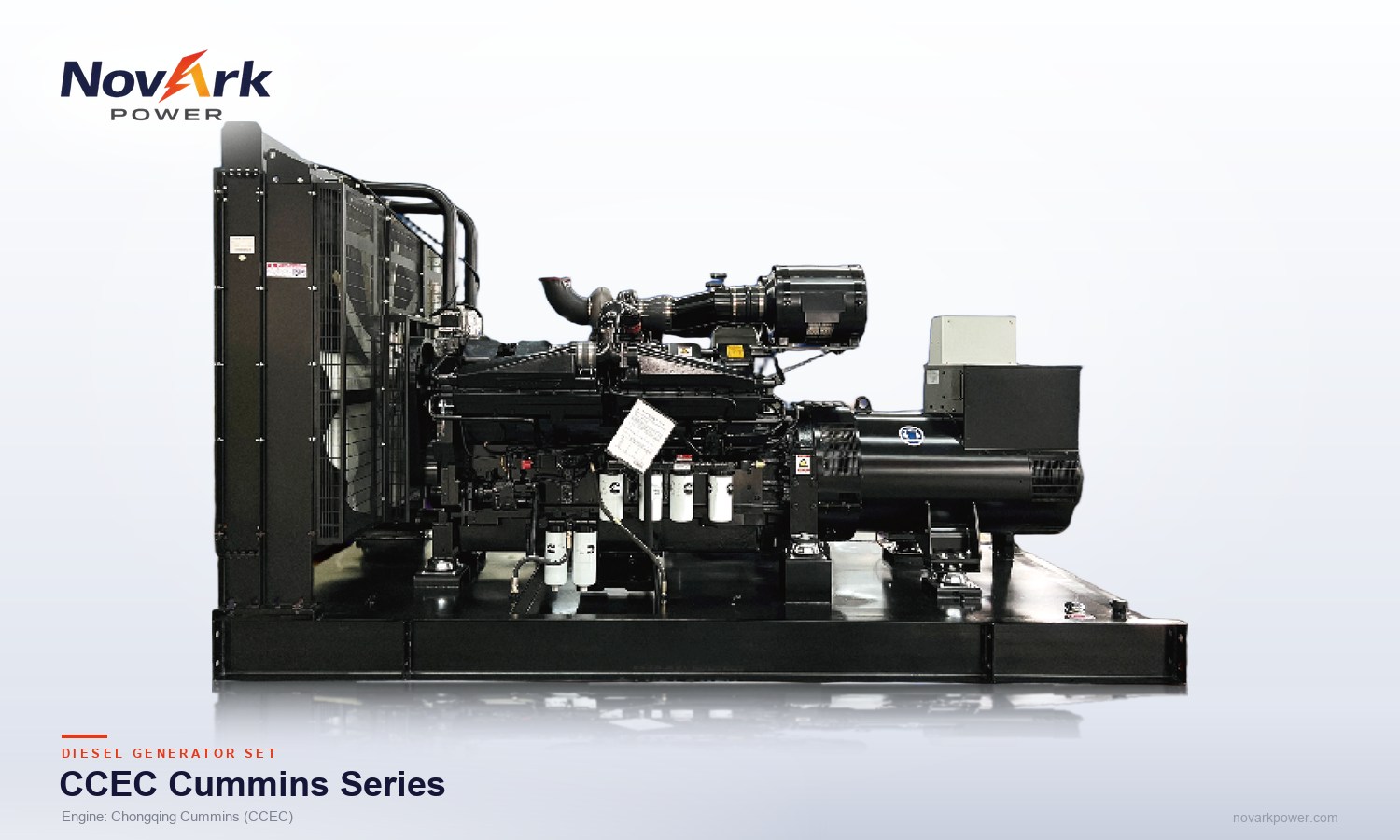
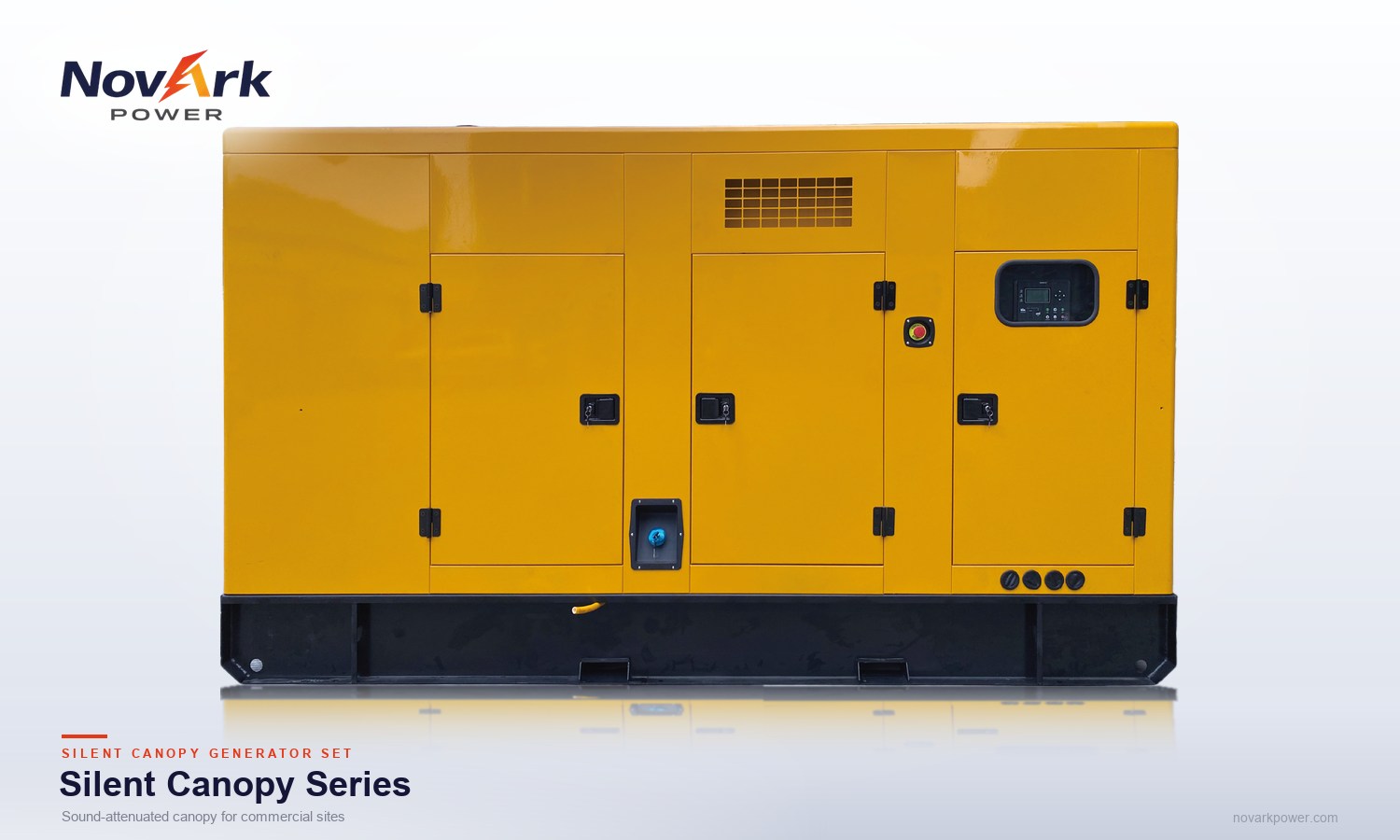
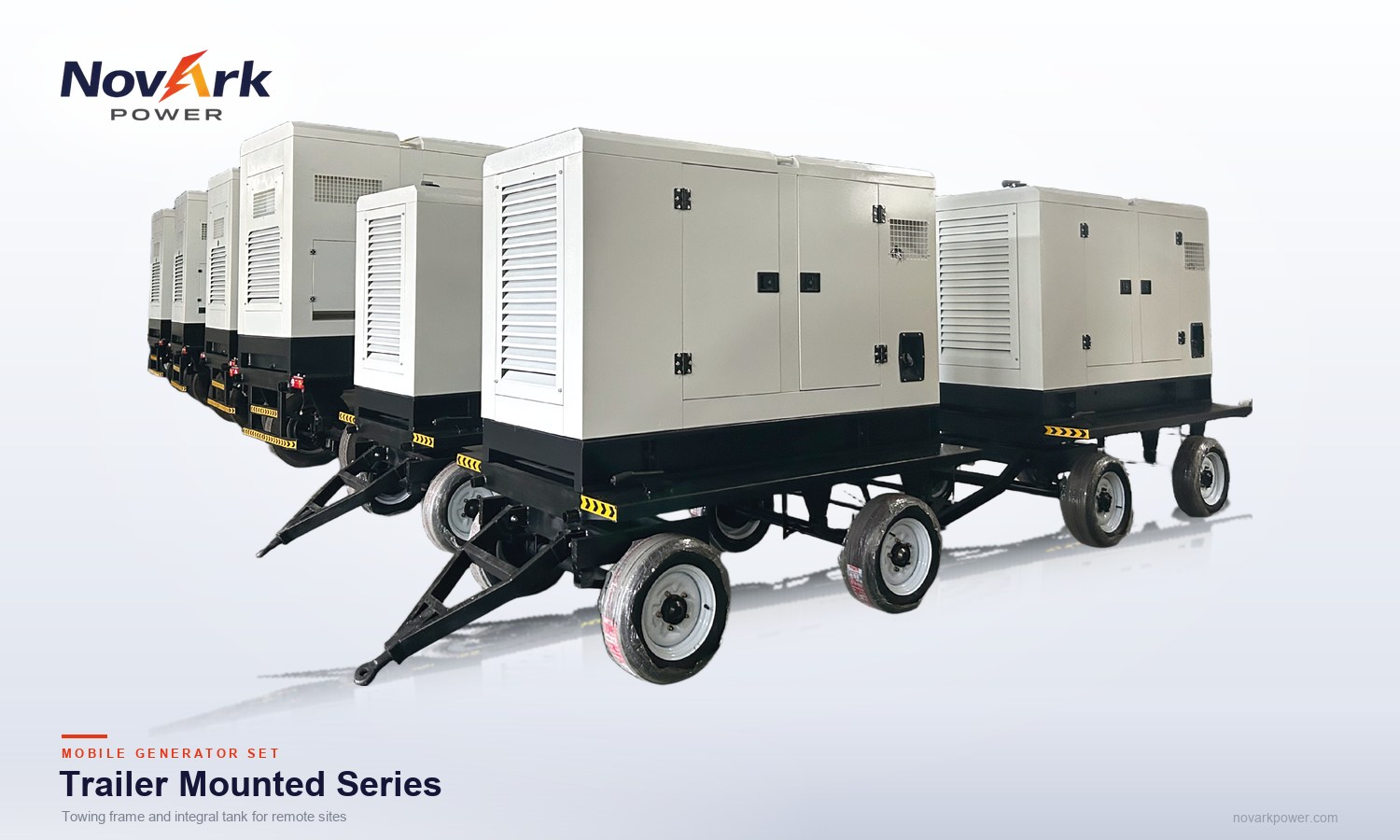
Almost every enquiry landed on one of four configurations: open frame sets for plant duty, the CCEC and Shangchai platforms local fitters know, canopies for sites near offices, and trailer units for contractors on the move.
Service is the other half of the sale
A generator is a machine that waits. It sits idle for weeks, then has to take full load in under fifteen seconds - a hard thing to ask of equipment nobody has touched since installation.
Three things came out of talks with our local partner. Parts: filters, injectors, AVRs and boards held in country, with the warehouse expanded for the items that stop a plant. People: partner technicians trained on controllers and torque procedures, so first response does not need an engineer from Changsha. Response: 7x24 cover, with diagnostics read before anyone drives out.
A set that costs 15% less but waits ten days for a fuel solenoid has cost the site more than the discount saved.
What buyers asked, in their own words
Does altitude really take 5% off the rating?
On an aspirated engine, roughly: 1% per 100 m above 1,000 m, so a 1,500 m site lands near 5%. Turbocharged units recover part of that.
Can the set run on locally available diesel?
Usually yes, with preparation. Water and sediment cause more trouble than cetane, so a separator and a coarse pre-filter ahead of the main element are the basics.
How many hours of fuel should a mine carry?
Enough to cover the longest credible outage plus resupply lag: 24 hours for critical plant, eight to twelve where a tanker visits daily.
What happens next
The trip produced more than a route. Several mining companies and contractors moved to cooperation intentions covering multiple power bands and a number of trailer-mounted units, sequenced against their own commissioning.
Zimbabwe is also being treated as a base rather than a destination. NovArk Power has built sets for 13 years and ships to Southeast Asia, the Middle East, Africa and South America; southern Africa is where the stock and the technicians now need to sit.
None of that changes the engineering: altitude still thins the air, dust still loads the filter, and a motor still asks for six times its running current. What changes is how fast a site gets an answer when something does not match the drawing.
Planning a project in Zimbabwe or elsewhere in southern Africa? Send the load list through our contact page and we will come back with a sizing calculation, not just a price.
Note. Figures reflect a 15-day field visit to Zimbabwe in 2026. Derating values are rules of thumb; the applicable curve is the engine manufacturer's. Grid, fuel and logistics conditions vary by location and should be verified locally.