Wet Stacking in Diesel Generator Sets: Why Running Light Damages the Engine
Wet Stacking in Diesel Generator Sets: Why Running Light Damages the Engine
Running a diesel generator below about 30 percent of rated load leaves combustion too cool to burn the fuel fully. The result is wet stacking: carbon, glazed bores and diesel-diluted.
What You Will Learn
What Wet Stacking Actually Is
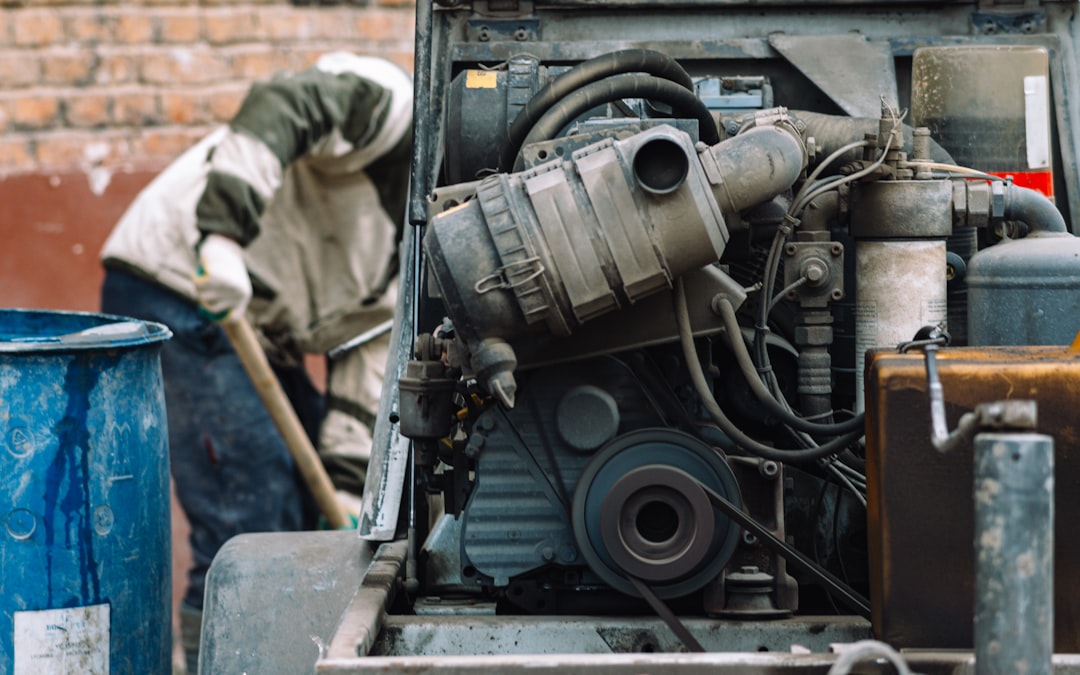
Wet stacking is the accumulation of unburnt fuel and its combustion by-products in the exhaust system and the combustion chamber of a diesel engine. It is called "wet" because the deposits are oily rather than dry carbon - the exhaust manifold and turbocharger housing collect a black, sticky sludge that eventually hardens into carbon.
It is not a defect in the machine. It is the predictable result of running a diesel engine outside the operating range it was designed for. A diesel engine ignites fuel by compression heat alone, and that heat depends on how hard the engine is working.
Two identical generating sets can therefore have completely different outcomes. The one carrying a steady 70 percent load will run for years with clean combustion. The one started weekly to "check it works", with nothing but the control panel and a few lights on it, will stack wet carbon in a single season.
Why Light Load Causes the Problem
A diesel engine needs load to reach the temperature at which combustion completes itself. Three things happen when it does not get that load.
Combustion temperature stays too low. At low load, less fuel is injected, so less heat is released in each cycle. Below a certain point the cylinder temperature at the end of compression is not high enough to burn the full fuel charge. What does not burn leaves the cylinder as partially oxidised vapour, soot and unburnt fuel.
The fuel that does not burn has to go somewhere. Part of it exits with the exhaust gas and condenses on the cooler surfaces of the exhaust manifold, the turbocharger and the silencer. The rest of it works past the piston rings and into the sump, where it dilutes the engine oil. This second path is the one that causes real damage, and it is also the one most owners do not notice.
Cylinder bores glaze. Persistent low-load running polishes the cylinder walls and fills the cross-hatch honing pattern that holds oil on the bore surface. A glazed bore cannot retain an oil film properly, so compression drops, oil consumption rises, and the engine becomes progressively harder to start.
The commonly quoted threshold is that the problem begins below roughly 30 percent of the set's rated load, and becomes serious when the set habitually runs below that. It is a rule of thumb rather than a specification, because engine design, injection system and rating all shift the number. What does not shift is the direction of the effect.
Which Installations Are at Risk
Wet stacking is not random. It concentrates in four recognisable situations, and every one of them is a sizing or operating decision rather than a fault.
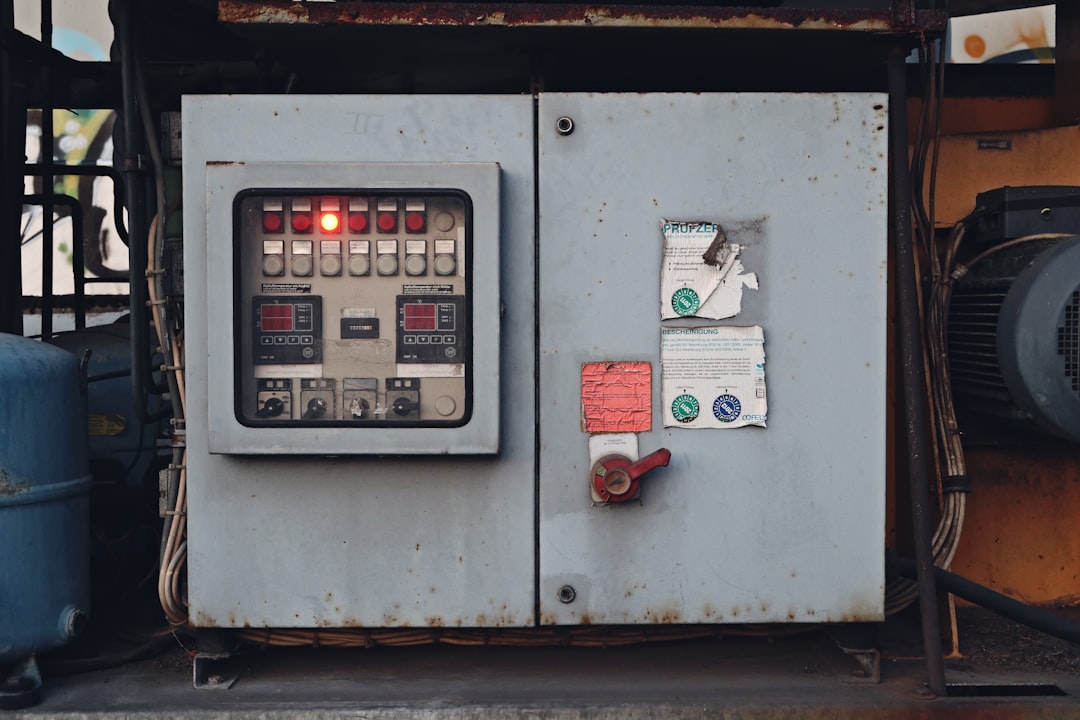
Standby sets that are "exercised" with no load. This is the most common cause. A monthly start with no load, or with only the control panel energised, runs the engine cold and under no load for twenty minutes. Done twelve times a year, that is twelve deposits of unburnt fuel with no high-load running in between to burn them off.
Sets that are oversized for the load. A 500 kVA set installed for a site that normally draws 90 kVA spends its life at about 18 percent load. The machine is not faulty and the installation is not faulty - the selection was wrong. Oversizing feels like safety margin, but on a diesel engine it is a wear mechanism.
Seasonal or intermittent loads. Hotels, agricultural sites and cold-storage facilities can have a summer load and a winter load that differ by a factor of three. A set sized for the peak runs at a fraction of its rating for the rest of the year.
Loads that changed after commissioning. A set specified correctly for a building that has since replaced its plant, or a site where a large motor was decommissioned, is now running far below its original duty. Nobody re-sizes the generator when the load changes, and nobody notices the exhaust.
The Signs That It Is Happening
Wet stacking announces itself before it causes a failure, but the signs are easy to read past if nobody is looking for them.
- Black slobber around the exhaust manifold joints and the turbo flange. This is the classic evidence:
wet, oily soot rather than dry powder.
- Blue-white or dark grey smoke that does not clear after the first minute of running.
- A wet, fuel-smelling exhaust pipe on a set that has just shut down.
- Oil level rising between services, and oil that smells of diesel. Fuel entering the sump raises the
level and thins the oil. A rising oil level on a diesel engine is a warning, not good news.
- Hard starting and rough running, as compression falls away on glazed bores.
- Turbocharger problems, including sticking vanes and seal leakage, because the deposits accumulate on
the turbine side as well as in the manifold.
Any of these on a set that is known to run lightly is enough to suspect wet stacking. Two or more together is close to confirmation.
How to Clear It Once It Has Started
The correction is usually not a repair. It is a change of load regime, and it works because the deposits that formed at low temperature can be burned off at high temperature.
Load bank testing. The standard method is to run the set against a resistive load bank at 70 to 100 percent of its rating for a sustained period - commonly a few hours, in steps, with the exhaust temperature monitored throughout. The high combustion temperature burns the accumulated deposits out of the manifold and turbo. This is why load bank testing is not only a capacity verification; on a lightly loaded set it is also a cleaning procedure.
A real load, where one is available. Some sites can carry out the same exercise by transferring the building load to the generator and running it at a proper percentage for a few hours. This is cheaper than hiring a load bank and it tests the actual installation rather than the set in isolation. It requires the site to be able to accept a transfer, which many cannot during working hours.
Correct the sizing or the operating rule. Cleaning the engine without changing the cause simply resets the clock. If the set is oversized, the durable fixes are to change the load regime, add load to the set, or replace it with a machine that matches the actual duty. If the set is a standby unit, the operating rule should specify the load percentage and duration of each exercise run, not only its frequency.
Adjust the maintenance response. A set that has been wet stacked needs its oil and filters changed sooner than the standard interval, because the oil is diluted and carrying soot. It also warrants an exhaust system inspection, since carbon that has hardened in a silencer or on a turbocharger will not come out with a load run.
Avoiding the Problem at the Specification Stage
The cheapest correction is the one that never becomes necessary, and it happens at the sizing stage rather than the maintenance stage.
Size on the real load, not the maximum possible load. The correct inputs are the continuous load, the largest motor starting requirement and the future growth that is actually planned - not the sum of every rating on the site's equipment list. A set that is 30 percent larger than needed is not a safer set; it is a set that will run cold.
State the duty rating. Standby, prime and continuous ratings are not interchangeable, and neither are the maintenance regimes that follow them. A set sold as standby and used as prime power will be serviced on the wrong schedule for the rest of its life.
Write the exercising rule into the handover. If the set is standby, the handover documentation should specify what a monthly run looks like: the load percentage, the duration, and what to record. "Run it monthly" is not an instruction a site team can follow consistently.
Plan for a load test. Where the site cannot provide a load, the maintenance programme should include periodic load bank testing as a scheduled activity rather than an emergency measure. That single line in a maintenance plan prevents most of the wet stacking that appears in standby installations.
Where This Fits in a Maintenance Programme
Wet stacking is a maintenance subject that is decided by engineering choices made long before maintenance starts. The hour-based service schedule handles wear items - oil, filters, valve clearance, injectors. Wet stacking is not covered by any of those items, because nothing in the set has failed; the operating condition is wrong.
So the practical response is to treat the load regime as a maintenance input. Record the load percentage at which the set normally runs, alongside the hour meter reading, and the pattern becomes visible in two or three visits. Where a set is found to run consistently below a third of its rating, that is a finding worth acting on - either by changing how it is run or by changing what is installed.
Before specifying the next set, it is worth working out the actual load profile rather than the nameplate total. Our engineers do that calculation against the site conditions for each project, and can confirm the duty rating, the expected load percentage and the recommended testing regime in writing.
What a Load Bank Test Involves
Load banking is the procedure that both clears wet stacking and proves the set can carry its rating, so it is worth knowing what it actually consists of rather than treating it as a black box.
A resistive load bank is connected to the generator output, usually at the terminals or through a dedicated tap-off. The bank steps load on in stages - commonly at 25, 50, 75 and 100 percent of rating - holding each stage long enough for temperatures to stabilise. A 500 kVA set is therefore run at roughly 125, 250, 375 and 500 kVA in sequence, with the exhaust gas temperature and the coolant temperature monitored throughout.
Two measurements matter more than the rest. Exhaust gas temperature tells you whether combustion is reaching the range in which deposits burn off; a set that cannot reach its rated exhaust temperature under full load has a fuelling or air problem rather than a load problem. Coolant temperature confirms that the cooling system can remove the heat the load is producing, which is a different question from whether the engine can produce it.
What the test is not is a way to add load to a set that will spend the rest of the year lightly loaded. It proves capacity and it cleans deposits, but it does not change the operating condition. A set that passes a load bank test in September and then runs at 15 percent load until the following September will be wet stacked again by the time the next test comes round.
For a standby installation, that has a straightforward consequence: load bank testing belongs in the maintenance calendar as a recurring item, at a defined interval, rather than being booked only when something has already gone wrong. The interval depends on how lightly the set normally runs and on how often it is exercised. A set that runs monthly with no load will need the load bank more often than one that carries a real load several times a year.
FAQ
What is wet stacking in a diesel generator?
Wet stacking is the build-up of unburnt fuel and oily carbon in the exhaust system and combustion chamber of a diesel engine, caused by running the engine at too low a load for the cylinder temperature to complete combustion. It appears as wet, oily soot in the exhaust manifold and turbo, and it also dilutes the engine oil.
At what load does wet stacking start?
The commonly used threshold is below roughly 30 percent of the set's rated load. It is a rule of thumb rather than a specification, because engine design and injection system affect the number. The problem gets worse the longer the set runs below that level.
Can wet stacking be reversed?
Usually yes, by running the set at a high load - typically a load bank test at 70 to 100 percent of rating for a sustained period - so that combustion temperature burns the deposits out. If the set continues to run lightly afterwards, the deposits return, so the load regime has to change as well.
Does it affect standby generators that are only tested monthly?
Yes, and standby sets are the most common case. A monthly start with no load runs the engine cold and deposits unburnt fuel without ever burning it off. The exercise routine should specify a load percentage and duration, not just a frequency.
Is a bigger generator safer?
Not on a diesel engine. A set that is significantly oversized runs at a low percentage of its rating, which is exactly the condition that causes wet stacking. Sizing on the real continuous load and the largest motor start requirement is both cheaper and mechanically better.
Talk to Our Engineers About Your Project
Yes, and standby sets are the most common case. A monthly start with no load runs the engine cold and deposits unburnt fuel without ever burning it off. The exercise routine should specify a load percentage and duration, not just a frequency.

This article is for informational purposes only. Specifications and availability may vary by region. Please contact NovArk Power for a confirmed quotation tailored to your project requirements.