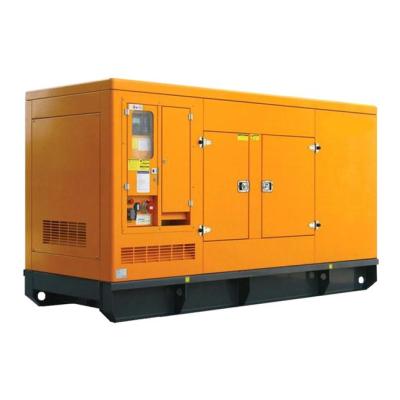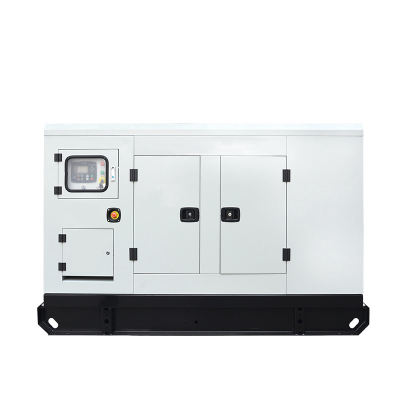
Uninterrupted Harvest: The Essential Guide to Power Solutions for Modern Agriculture and Livestock Farming
Uninterrupted Harvest: The Essential Guide to Power Solutions for Modern Agriculture and Livestock Farming
Secure your farm's productivity and animal welfare with the right generator. This guide covers everything from sizing and fuel types to critical applications like irrigation and.
What You Will Learn
- H2: The High Stakes of Power Loss in Agriculture
- H2: Protecting Your Crops: Irrigation and Processing
- H2: Standby vs. Prime Power: What's Your Farm's Need?
- H2: Choosing Your Fuel: Diesel, Natural Gas, and PTO
- H2: Sizing Your Generator: The Most Critical Calculation
- H2: Essential Features for a Farm Generator
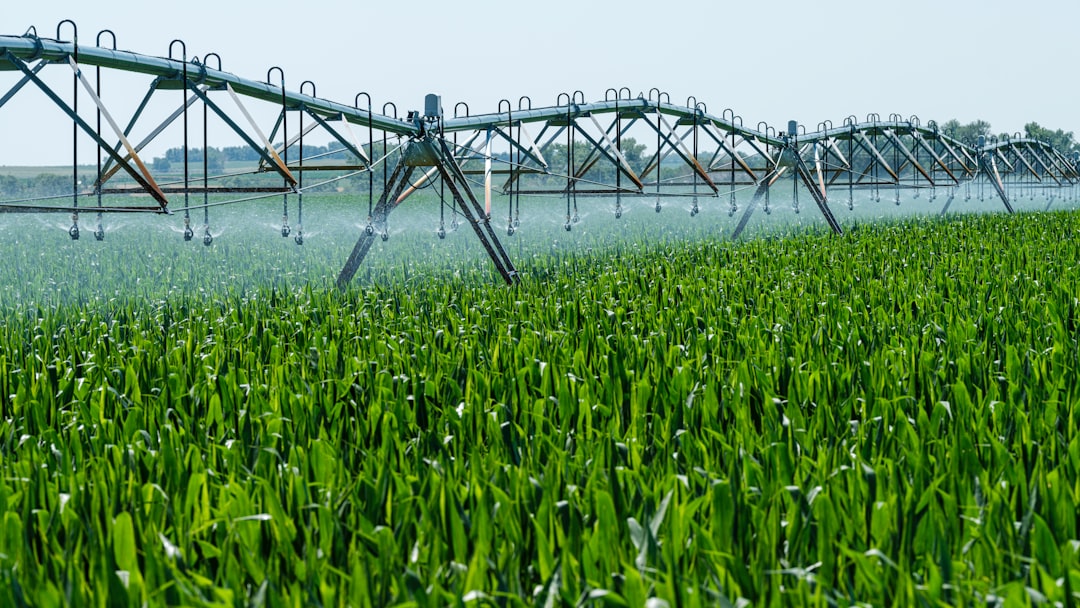
- H2: Powering Irrigation Systems: A Special Case
- H2: The Unsung Hero: The Automatic Transfer Switch (ATS)
- H2: Maintaining Your Investment: Proactive Generator Care
- H2: The Future of Farm Power: Battery Storage and Hybrids
Modern agriculture is a high-tech industry. From automated feeding systems and climate-controlled barns to sophisticated irrigation pivots, nearly every aspect of a successful farm relies on a stable and consistent supply of electricity. A power outage is no longer a minor inconvenience; it's a direct threat to profitability, animal welfare, and the security of your entire operation. This guide is designed to walk you through the critical importance of backup power and help you select the perfect generator solution for your agriculture or livestock farm.
H2: The High Stakes of Power Loss in Agriculture
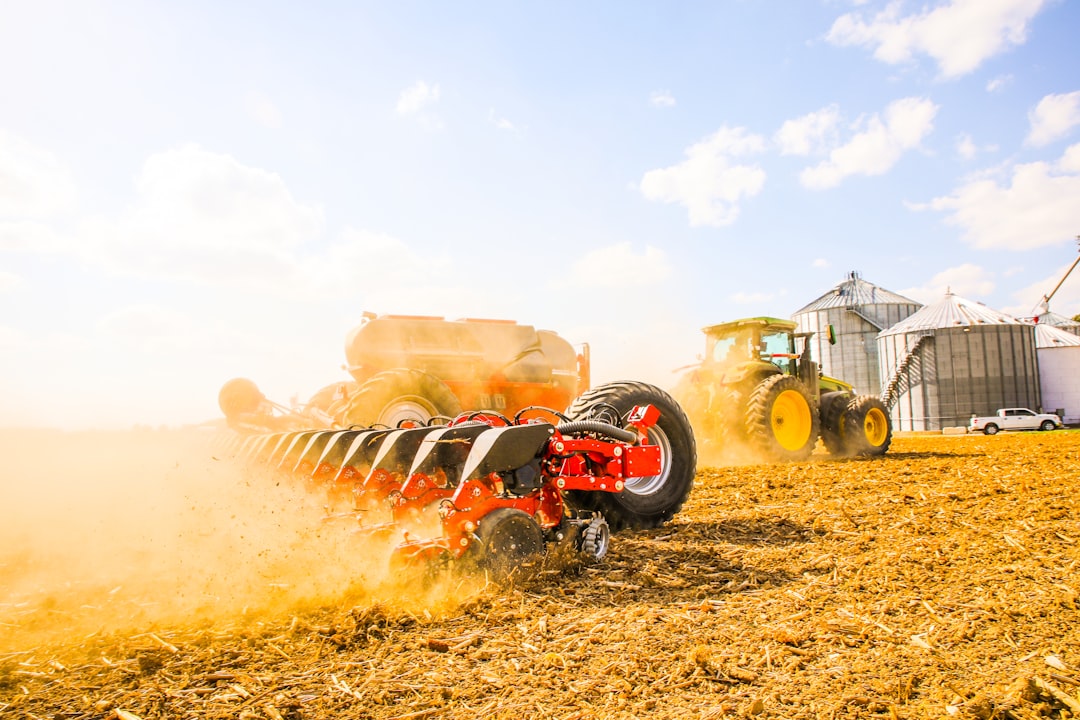
Power isn't a luxury on a farm; it's the lifeblood of your operations. A power failure can trigger a catastrophic chain reaction. For livestock, this can mean immediate and severe consequences. Ventilation systems in poultry and hog barns shut down, leading to dangerous temperature increases and poor air quality. Automated feeding and watering systems stop, putting animals under stress and threatening their health. In dairy operations, a power outage means milking systems are inoperable and refrigerated milk tanks can't maintain temperature, leading to product loss and potential health issues like mastitis in cows.
H2: Protecting Your Crops: Irrigation and Processing
For crop farmers, the risks are just as significant. An interruption during a critical growth stage can be devastating. Irrigation systems, especially large center pivots, require substantial power to operate. A stalled irrigation schedule during a dry spell can slash yields. Furthermore, post-harvest operations like grain drying, sorting, and cold storage are all power-dependent. Losing power during these processes can lead to spoilage, wasted effort, and significant financial losses.
H2: Standby vs. Prime Power: What's Your Farm's Need?
Understanding the type of power you need is the first step. There are two main categories:
- Standby Power: This is the most common need for farms connected to the grid. A standby generator automatically kicks in when the utility power fails, ensuring critical systems continue to run seamlessly.
- Prime Power: For remote fields or off-grid operations where no utility power is available, a prime power generator is required. These units are designed to be the primary source of electricity and are built for continuous, long-term operation.
H2: Choosing Your Fuel: Diesel, Natural Gas, and PTO
Selecting the right fuel type is a crucial decision based on availability, cost, and operational needs.
- Diesel Generators: The workhorse of the agricultural industry. Diesel is fuel-efficient, reliable, and provides the high torque needed to start large motors for equipment like pumps and compressors. Diesel engines are known for their durability and long service life.
- Natural Gas/Propane Generators: A cleaner-burning alternative. If you have access to a natural gas line, these can be very convenient as they don't require on-site fuel storage. Propane offers similar benefits and is a good option where natural gas isn't available.
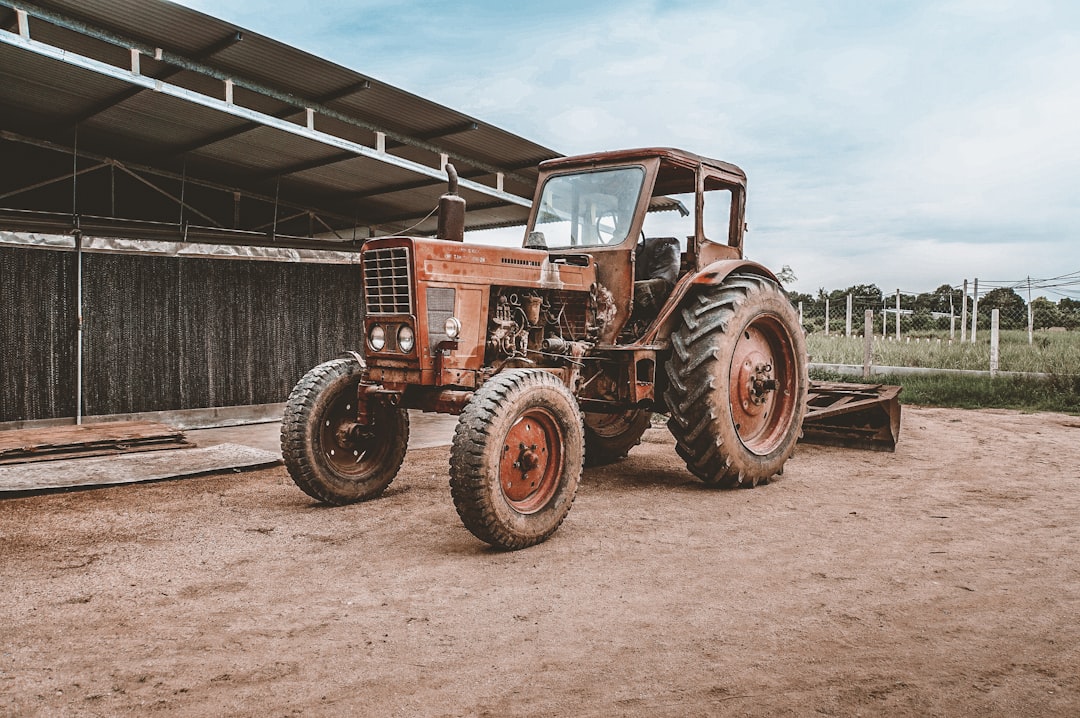
- PTO (Power Take-Off) Generators: A cost-effective and flexible solution if you own a tractor. These generators connect directly to your tractor's PTO shaft, using the tractor's engine to generate electricity. They are highly portable and eliminate the need to maintain a separate engine.
H2: Sizing Your Generator: The Most Critical Calculation
Choosing the wrong size generator is a common and costly mistake. A unit that is too small will fail to start your equipment, while an oversized unit is inefficient and more expensive to run. To properly size your generator, you must:
- List All Critical Equipment: Identify every piece of equipment that must run during an outage (pumps, fans, lights, milking systems, etc.).
- Determine Starting and Running Wattage: Electric motors require significantly more power to start (starting wattage) than they do to run (running wattage). This is the most important factor. Your generator must be able to handle the initial surge demand of your largest motor, plus the running load of all other equipment.
- Consult a Professional: Always work with a qualified electrician or generator supplier. They can perform a detailed load calculation to ensure you get the right size for your specific needs.
H2: Essential Features for a Farm Generator
Modern generators come with features designed for reliability and ease of use in a demanding agricultural environment.
| Feature | Benefit for a Farm |
|---|---|
| Automatic Transfer Switch (ATS) | Automatically detects a power outage and starts the generator, transferring the load without manual intervention. Essential for protecting livestock. |
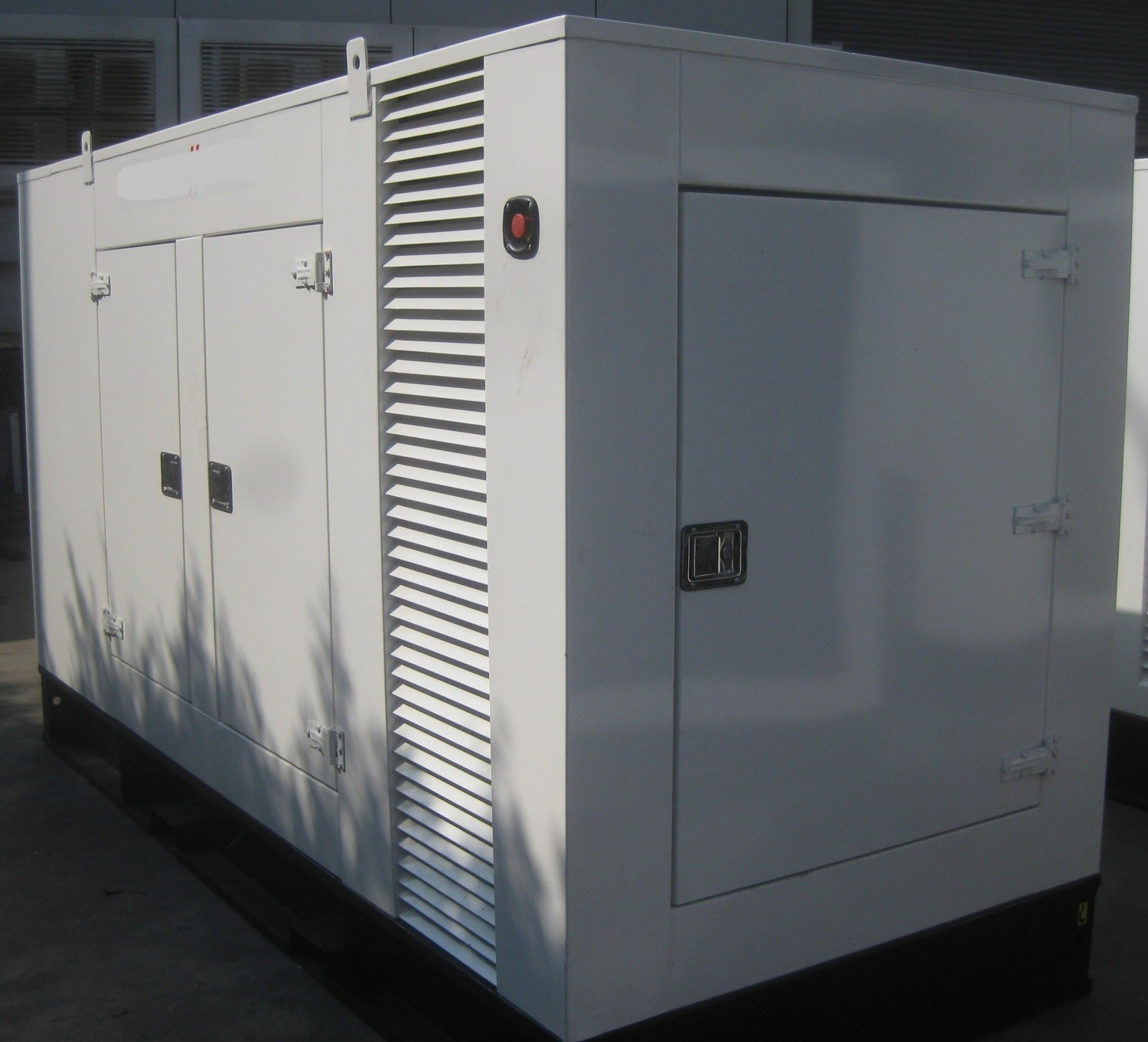
| Weather-Proof & Sound-Attenuated Enclosure | Protects your investment from harsh weather and reduces noise levels, which is important for livestock and worker comfort. |
| Remote Monitoring | Allows you to check the generator's status, fuel level, and receive alerts on your phone or computer, providing peace of mind. |
| Trailer-Mount Option | Provides portability, allowing you to move the power source to remote wells, irrigation pivots, or different buildings as needed. |
H2: Powering Irrigation Systems: A Special Case
Irrigation pumps present a unique challenge due to their very high starting-current demand. When selecting a generator for an irrigation system, it is crucial to size it based on the pump motor's horsepower and starting method. Using soft starters or variable frequency drives (VFDs) can help reduce the initial power surge, potentially allowing for a smaller, more efficient generator setup.
H2: The Unsung Hero: The Automatic Transfer Switch (ATS)
For any livestock operation, an Automatic Transfer Switch (ATS) is not a luxury—it's a necessity. An ATS is the brain of your backup power system. It constantly monitors utility power. The moment it detects an outage, it safely disconnects from the grid, signals the generator to start, and automatically transfers your farm's electrical load to the generator. This happens in seconds, often before you even realize the power is out, ensuring that critical life-support systems for your animals never stop.
H2: Maintaining Your Investment: Proactive Generator Care
Your generator is a piece of mission-critical equipment and must be maintained accordingly. Follow a regular maintenance schedule that includes:
- Regularly run the generator under load: This keeps engine seals lubricated and prevents moisture buildup.
- Check fluid levels: Ensure oil and coolant are at the correct levels.
- Keep fuel fresh: Diesel fuel should be treated or used within a year. Run the generator often enough to keep fuel from going stale in the tank.
- Schedule professional service: Have a qualified technician inspect and service your generator annually to ensure it's ready when you need it most.
H2: The Future of Farm Power: Battery Storage and Hybrids
While diesel and PTO generators are the current standard, new technologies are emerging. Battery storage systems, often paired with solar panels, are becoming a viable option for storing energy and providing silent, emission-free backup power. Hybrid systems that combine a traditional generator with a battery pack can offer the best of both worlds—the instant and sustained power of a generator with the efficiency and quiet operation of a battery.
Investing in a reliable power solution is as fundamental as insuring your buildings or equipment. It is a proactive investment in the resilience, productivity, and profitability of your farm. By carefully assessing your needs, choosing the right equipment, and committing to proper maintenance, you can ensure that your operation remains powered and productive, no matter what happens on the grid.
For checking suitable generator product for your project — Contact NovArk Power
Get a free power system design consultation for your diesel generator set project. Our engineers will analyze your requirements and deliver a tailored generator solution.
This article is for informational purposes only. Specifications and availability may vary by region. Please contact NovArk Power for a confirmed quotation tailored to your project requirements.