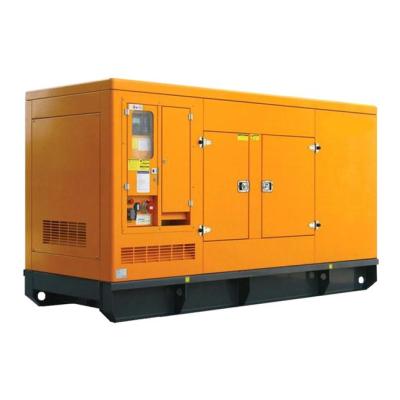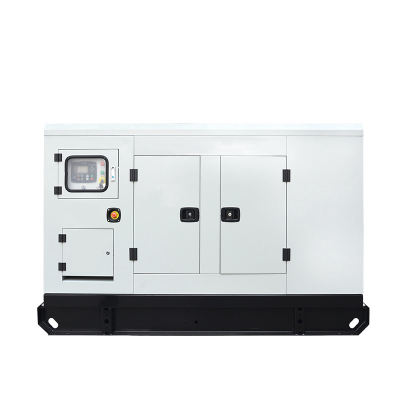
The Ultimate Guide to Powering Heavy Equipment: Choosing the Perfect Construction Site Generator
The Ultimate Guide to Powering Heavy Equipment: Choosing the Perfect Construction Site Generator
Don't let power issues grind your project to a halt. This guide covers everything you need to know about selecting the right generator for your heavy equipment, from calculating power.
What You Will Learn
- Powering Progress: The Essential Guide to Construction Site Generators
- Why the Right Generator is Non-Negotiable on a Construction Site
- Understanding the Language of Power: Watts, Amps, and Volts
- Step-by-Step Guide: Calculating Your Total Power Requirements
- Starting Watts vs. Running Watts: The Critical Difference
- Fueling Your Decision: Diesel, Gasoline, or Propane?
- Generator Types: Portable, Towable, and Skid-Mount
- Key Safety Features for a Construction Site Generator
- Sizing Quick Guide: Matching Generators to Common Equipment
- The Risk of Improper Sizing: Too Small vs. Too Large
- Final Checklist: Making Your Final Generator Decision
Powering Progress: The Essential Guide to Construction Site Generators
On any active construction site, a reliable power source is the lifeblood of progress. From the smallest power tools to the largest heavy equipment, a steady flow of electricity is non-negotiable. Yet, choosing the right generator is far more complex than simply picking one with enough outlets. Selecting an undersized unit can lead to damaged equipment and constant interruptions, while an oversized generator wastes fuel, money, and increases emissions. This guide will walk you through the critical factors to consider when selecting a construction site generator, ensuring your heavy equipment has the consistent and robust power it needs to get the job done right.
Why the Right Generator is Non-Negotiable on a Construction Site
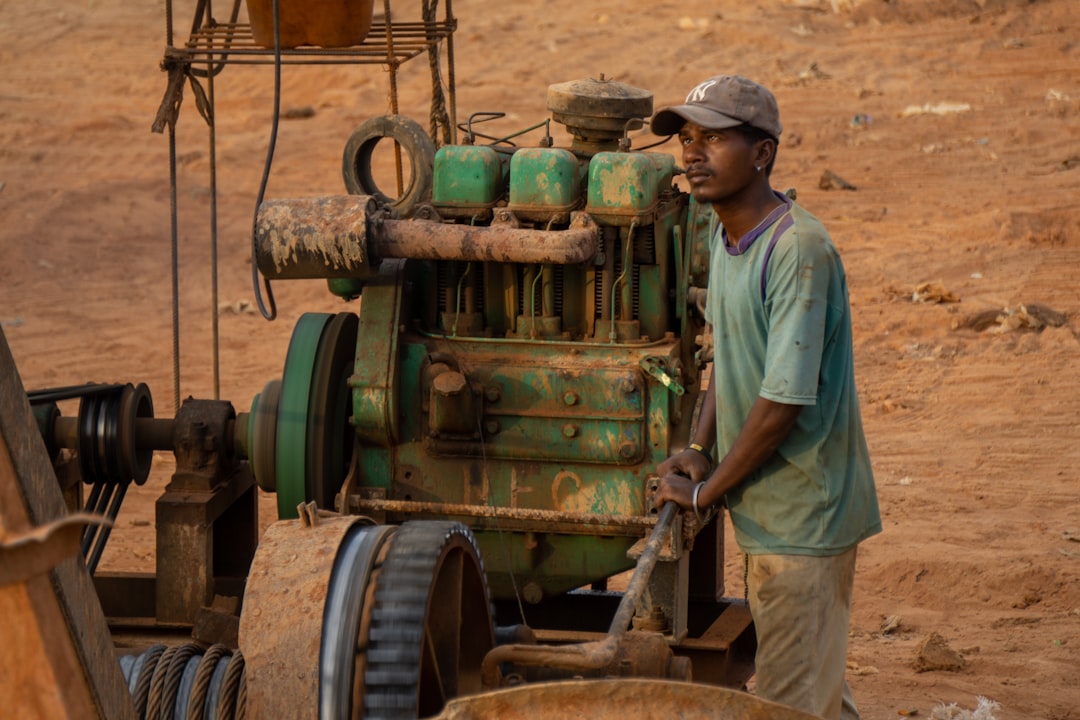
A construction site generator isn't just a convenience; it's a core component of your operational infrastructure. The right power solution directly impacts productivity, safety, and your bottom line. An unstable or insufficient power supply can cause equipment to malfunction, trip breakers, and lead to significant delays. Furthermore, sensitive electronic components within modern heavy equipment can be damaged by 'dirty' power from an inappropriate generator. Investing time in proper selection prevents costly downtime and repairs later.
Understanding the Language of Power: Watts, Amps, and Volts
Before you can choose a generator, you need to speak its language. The three most important terms to understand are:
- Watts (W) or Kilowatts (kW): This measures the total power an appliance or tool uses. It's the most common metric for generator output.
- Amps (A): This measures the electrical current. It's crucial for understanding the load a tool places on a circuit.
- Volts (V): This represents the electrical pressure. In the US, standard outlets are 120V, while heavy equipment often requires 240V or more.
The basic formula connecting them is: Watts = Volts x Amps. Understanding this relationship is the first step to accurately calculating your needs.
Step-by-Step Guide: Calculating Your Total Power Requirements
Guesswork is your enemy when sizing a generator. Follow these steps to get an accurate assessment:
- List All Equipment: Create a comprehensive list of every piece of equipment that will be powered by the generator, from small drills to large welders and compressors.
- Find Starting and Running Watts: For each item, identify two numbers: the 'running wattage' (the continuous power it needs) and the 'starting wattage' (the extra surge of power required to start a motor). The starting wattage can be up to six times the running wattage and is the most critical factor in sizing.
- Calculate Total Peak Demand: Add up the running watts for all the equipment you expect to run simultaneously. Then, identify the single highest starting wattage from your list and add it to your total running watts. This sum represents your peak power requirement. It is always wise to add a 20% buffer to this total to ensure the generator is not constantly running at maximum capacity.
Starting Watts vs. Running Watts: The Critical Difference
This is a point that cannot be overemphasized. A generator might have enough 'running' power for all your tools, but if it can't handle the 'starting' surge of a large air compressor or concrete saw, it will fail every time that tool is turned on. Electric motors require a massive inrush of current to get started. Always size your generator based on its ability to meet this peak starting demand, not just the continuous load.
Fueling Your Decision: Diesel, Gasoline, or Propane?
The fuel type is a major consideration that affects performance, cost, and logistics. For heavy equipment applications, diesel is often the preferred choice. While gasoline generators are common and often cheaper upfront, they are less fuel-efficient and require more frequent maintenance compared to their diesel counterparts .
| Feature | Diesel Generator | Gasoline Generator | Propane Generator |
|---|---|---|---|
| Power Output | Excellent for high, sustained loads | Good for smaller projects, lower output | Similar to gasoline, may have slightly less power |
| Fuel Efficiency | Highly efficient, longer runtimes | Consumes more fuel for the same output | Efficient, burns cleanly |
| Lifespan | Longer lifespan, built for heavy use | Shorter lifespan, more maintenance | Long engine life due to clean burn |
| Safety | Fuel is less flammable and explosive | Gasoline is highly combustible | Fuel stored under pressure, requires careful handling |
| Cost | Higher initial cost, lower operating cost | Lower initial cost, higher fuel cost | Moderate initial cost, fuel storage can be bulky |
Diesel generators are the workhorses of the construction industry, known for their reliability, power, and fuel efficiency, making them ideal for powering heavy-duty equipment for extended periods .
Generator Types: Portable, Towable, and Skid-Mount
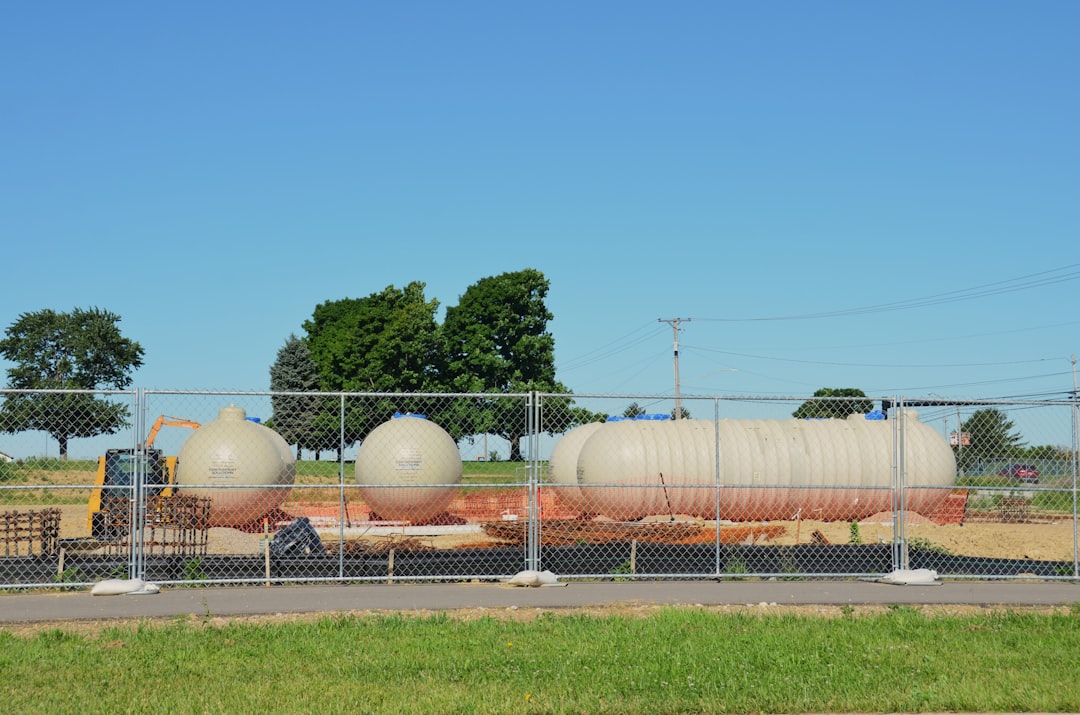
Beyond fuel, the physical form of the generator matters for site logistics:
- Portable Generators: Smaller units, often on wheels, suitable for light-duty tasks and powering a few tools. Not typically sufficient for heavy equipment.
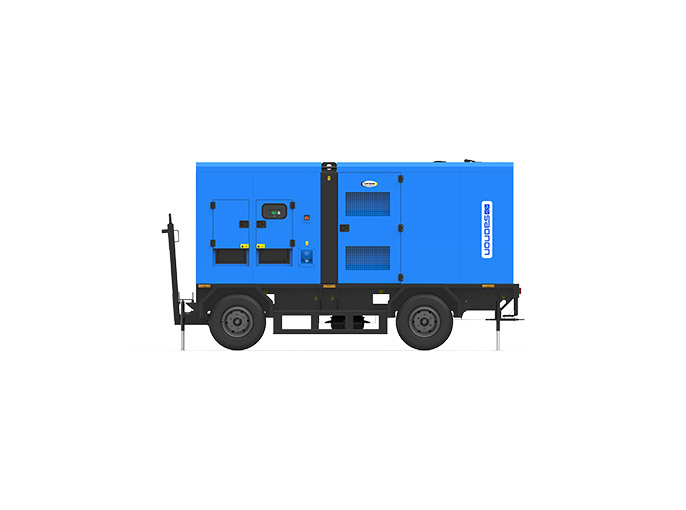
- Towable Generators: These are the most common type on large construction sites. They are self-contained units on a trailer, offering high power output (from 20kW to multiple megawatts) and the durability needed for rough environments.
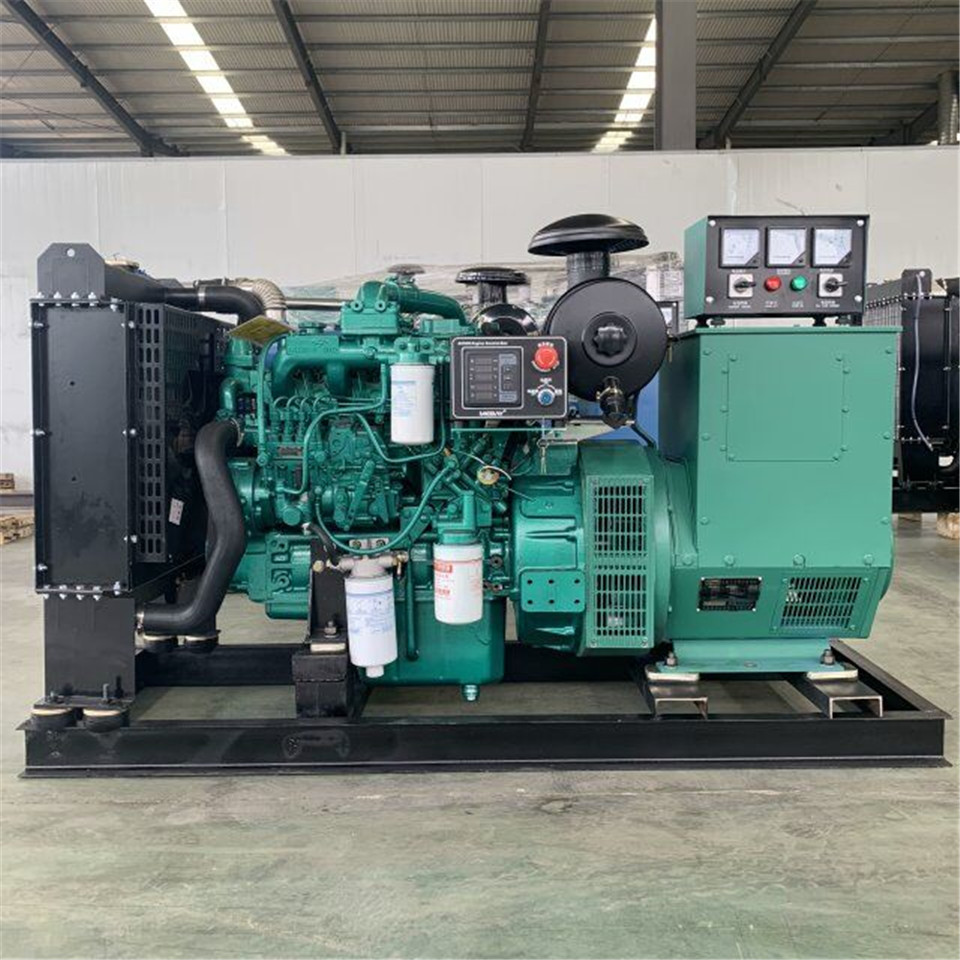
- Skid-Mount Generators: These are large, powerful generators mounted on a steel base. They are designed for semi-permanent installation where a continuous power source is needed for a long-duration project.
Key Safety Features for a Construction Site Generator
Safety is paramount. Ensure any generator you choose for a construction site has these essential features:
- GFCI Protection: Ground Fault Circuit Interrupter outlets are crucial for preventing electrical shock, especially in damp conditions common on job sites.
- Automatic Voltage Regulation (AVR): This feature stabilizes the power output, protecting sensitive electronics in modern tools and equipment from damaging voltage fluctuations.
- Low-Oil Shutdown: Automatically shuts the engine off if the oil level gets too low, preventing catastrophic engine damage.
- Durable, Rugged Frame: Look for a generator with a heavy-duty steel frame or enclosure to protect it from the inevitable bumps and impacts of a busy site.
Sizing Quick Guide: Matching Generators to Common Equipment
While precise calculation is always best, here is a general guide to power requirements for common site tools. This illustrates why a powerful generator is so essential.
| Equipment | Typical Running Watts | Typical Starting Watts |
|---|---|---|
| Circular Saw (7 1/4") | 1,400W | 2,300W |
| Air Compressor (1 HP) | 1,600W | 4,500W |
| Concrete Vibrator | 1,000W | 2,000W |
| Submersible Pump (1/2 HP) | 800W | 2,100W |
| Heavy-Duty Welder | 6,000W+ | 8,000W+ |
As you can see, the starting watt requirements, especially for motors in compressors and pumps, add up quickly.
The Risk of Improper Sizing: Too Small vs. Too Large
Choosing the wrong size generator, in either direction, has consequences.
- Undersized: Leads to voltage drops, can damage tool motors and electronics, and will constantly trip breakers, causing frustrating and costly downtime .
- Oversized: Seems like a safe bet, but it's inefficient. Running a large generator at a low load (often called 'wet stacking' in diesel engines) can cause unburnt fuel to build up, leading to reduced efficiency, increased maintenance needs, and a shortened engine life .
Final Checklist: Making Your Final Generator Decision
Before you rent or buy, run through this final checklist:
- Have you calculated your peak wattage, including starting watts and a 20% buffer?
- Have you chosen the right fuel type (likely diesel) for sustained, heavy-duty use?
- Does the generator have the necessary outlets (120V/240V/three-phase) for your equipment?
- Is the physical form (towable, skid-mount) appropriate for your site's logistics?
- Does it have all the essential safety and durability features like GFCI and a rugged frame?
By carefully considering these factors, you can equip your construction site with a generator that provides reliable, efficient heavy equipment power, keeping your project on schedule and on budget.
For checking suitable generator product for your project — Contact NovArk Power
Get a free power system design consultation for your diesel generator set project. Our engineers will analyze your requirements and deliver a tailored generator solution.
This article is for informational purposes only. Specifications and availability may vary by region. Please contact NovArk Power for a confirmed quotation tailored to your project requirements.