The Dragon's Roar: How Chinese Diesel Engine Technology is Reshaping the Global Power Landscape
The Dragon's Roar: How Chinese Diesel Engine Technology is Reshaping the Global Power Landscape
Once dismissed as mere imitators, Chinese diesel engine manufacturers have transformed into global powerhouses of innovation. This article explores the remarkable technological growth,.
What You Will Learn
- From Reverse-Engineering to Groundbreaking R&D
- Weichai, Yuchai, SDEC: The Power Trio
- A World Record That Changes Everything: The 53.09% Breakthrough
- Meeting—And Exceeding—Global Emission Standards
- The Role of Strategic Joint Ventures
- High-Pressure Common Rail and Advanced Turbocharging
- Reliability and Durability: Dispelling Old Myths
- The Unbeatable Cost-Performance Ratio
- A Look at the Competition: Chinese Brands vs. Global Giants
- The Future is Smart and Green
- Conclusion: A New Era of Power
For decades, the global diesel engine market was a space dominated by established giants from Europe, America, and Japan. Chinese manufacturers were often seen as producers of lower-cost alternatives, suitable for less demanding applications. That perception is now decisively outdated. A quiet but powerful revolution has been taking place in China's industrial heartlands. Through massive investment in R&D, strategic joint ventures, and a relentless drive for innovation, Chinese diesel engine technology is not just catching up—it's starting to lead.
Today, brands like Weichai, Yuchai, and SDEC are not just names within China; they are increasingly recognized on the global stage for their reliability, efficiency, and advanced technology. From powering construction sites in emerging markets to setting new world records in engine efficiency, the narrative has shifted from imitation to innovation.
From Reverse-Engineering to Groundbreaking R&D
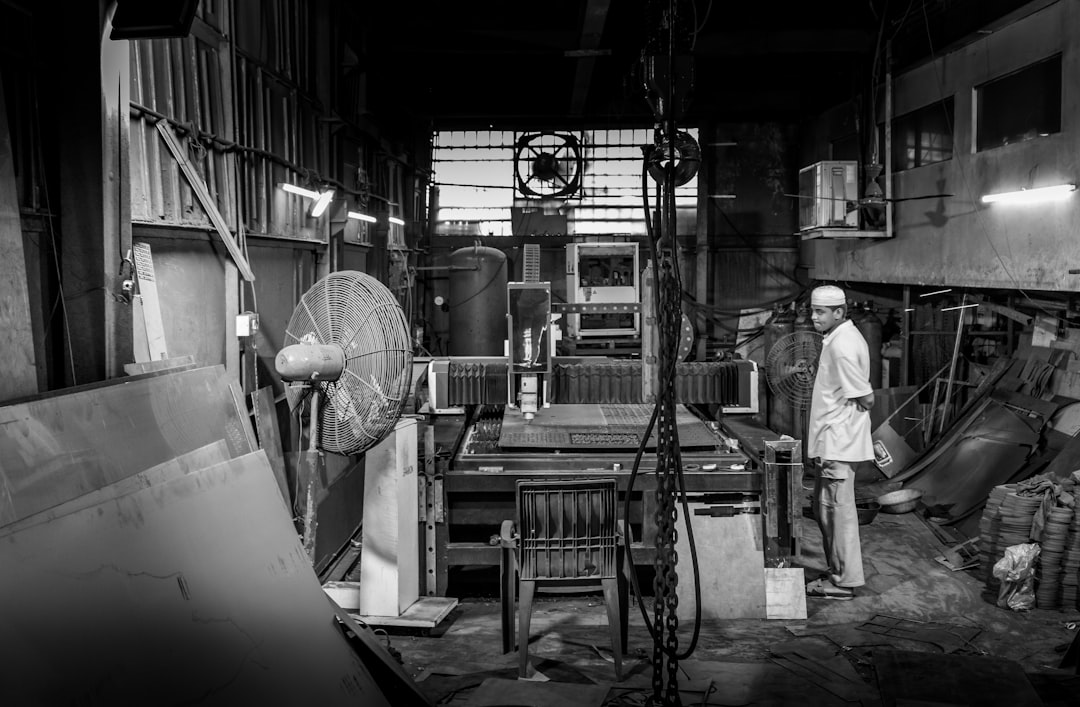
The journey of Chinese diesel engine manufacturing is a classic story of industrial evolution. The initial phase heavily relied on reverse-engineering and licensed production of foreign designs. However, this was merely a stepping stone. Chinese companies have poured billions into creating state-of-the-art research and development centers. Weichai, for instance, has established a formidable research team with hundreds of PhDs and thousands of engineers dedicated to pushing the boundaries of engine technology. This sustained investment has allowed manufacturers to develop proprietary technologies and move away from dependency on foreign designs.
Weichai, Yuchai, SDEC: The Power Trio
While the Chinese market has numerous players, a few key brands have emerged as industry leaders, forming the backbone of the country's diesel engine prowess.
- Weichai Power: Often considered the industrial giant, Weichai has a massive portfolio covering heavy-duty trucks, construction machinery, and power generation. They have aggressively expanded through strategic acquisitions, such as the French engine brand Baudouin, and have become synonymous with robust, high-power applications. Weichai is a leader in both market share and technological innovation.
- Yuchai Machinery: As China's largest independent engine manufacturer, Yuchai is often hailed as the "King of Reliability." They are particularly strong in the small-to-medium power range and are known for producing engines with lower noise and vibration, making them a preferred choice for applications like buses, hospitals, and marine auxiliary power.
- SDEC (Shanghai Diesel Engine Co.): Now part of the SAIC Motor group, SDEC has a rich history of technological collaboration, including past joint ventures with global leaders like Caterpillar. This has positioned them as a technological pioneer, integrating advanced designs into reliable and cost-effective engine platforms.
A World Record That Changes Everything: The 53.09% Breakthrough
Perhaps the most dramatic proof of China's technological ascent came in April 2024. At the World Congress on Internal Combustion Engines, Weichai Power unveiled a diesel engine with a record-breaking brake thermal efficiency (BTE) of 53.09%. This wasn't just an incremental improvement; it shattered a long-standing barrier in the industry, as most commercial engines globally operate in the 45-48% efficiency range. This achievement, certified by international testing authority TÜV SÜD, was the result of advancements in four key areas: high-expansion combustion, mixed-flow pressurization, high-efficiency fuel injection, and friction-reduction technologies. An engine this efficient could save a typical heavy-duty truck around 12,000 liters of fuel annually, a massive economic and environmental benefit.
Meeting—And Exceeding—Global Emission Standards
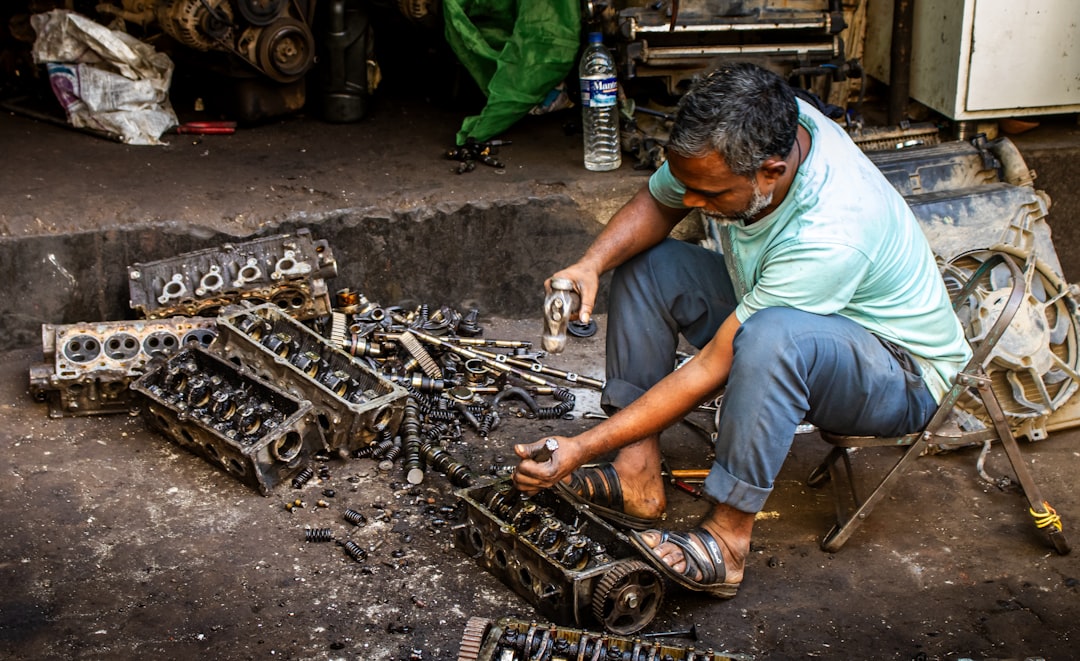
A significant hurdle for any engine manufacturer is meeting increasingly stringent global emissions regulations. Chinese brands have made this a top priority. They have successfully engineered engines that comply with the toughest standards, including Euro VI and China VI. The China VI standard is, in some respects, even more stringent than its European counterpart. It mandates the use of technologies like Diesel Particulate Filters (DPF) and requires sophisticated remote monitoring of emissions. This focus ensures Chinese engines are not just powerful, but also clean and environmentally responsible, making them viable for any market in the world.
The Role of Strategic Joint Ventures
The industry's rapid growth was significantly accelerated by joint ventures with established global players. Partnerships like Dongfeng-Cummins, Foton-Cummins, and SDEC's historic collaborations brought in advanced manufacturing processes, quality control standards, and technological expertise. These ventures created a competitive domestic environment that forced local brands to elevate their own R&D and production quality to compete effectively. Now, many of these Chinese partners have become formidable innovators in their own right.
High-Pressure Common Rail and Advanced Turbocharging
At the core of modern Chinese diesel engines are key technologies that were once the exclusive domain of premium international brands. High-pressure common rail fuel injection is now standard, allowing for precise fuel atomization that leads to more complete combustion, better fuel economy, and lower emissions. This is often paired with advanced turbocharging, such as Variable Geometry Turbochargers (VGT), which optimize airflow across the engine's operating range, delivering strong torque at low speeds and robust power at high RPMs.
Reliability and Durability: Dispelling Old Myths
The most persistent criticism of Chinese products has been regarding their long-term reliability. However, leading Chinese engine brands have invested heavily in quality control and use high-grade materials to dispel this myth. Brands like Yuchai are known for long overhaul periods, often exceeding 10,000 hours with proper maintenance. While the quality across China can vary, top-tier manufacturers like Weichai, Yuchai, and SDEC have proven their durability in some of the world's most demanding applications, from mining trucks to continuous power generators.
The Unbeatable Cost-Performance Ratio
Despite their immense technological progress, Chinese diesel engines maintain a significant competitive advantage: their price. They offer a compelling value proposition, delivering performance and reliability that rivals more expensive counterparts at a fraction of the initial capital cost. For businesses and projects where budget is a key consideration, a top-tier Chinese engine offers an unbeatable balance of quality and affordability. This is particularly true for spare parts, which are often more readily available and less expensive than those for imported brands.
A Look at the Competition: Chinese Brands vs. Global Giants
How do top Chinese engines stack up against brands like Cummins or Perkins? The comparison is no longer as one-sided as it once was. While global brands still often hold an edge in global service network consistency and resale value, the gap in performance and technology has narrowed significantly.
| Feature | Top-Tier Chinese Brand (e.g., Weichai) | Established Global Brand (e.g., Cummins) |
|---|---|---|
| Thermal Efficiency | Leading (World Record Holder) | High (Typically 45-48%) |
| Initial Cost | Highly Competitive | Premium |
| Technology | Advanced (Common Rail, VGT, etc.) | Industry Standard-Setter |
| Emissions Compliance | China VI / Euro VI | Tier 4 Final / Euro VI |
| Parts Availability | Excellent in Asia/Africa, Growing Globally | Extensive Global Network |
| Reliability | Proven and robust | Benchmark for Durability |
The Future is Smart and Green
Chinese manufacturers are not standing still. They are actively integrating smart technologies and AI-driven management systems into their engines. The Weichai Operating System, for example, uses AI to manage combustion and exhaust in real-time for peak efficiency. Furthermore, as the world moves toward a lower-carbon future, these companies are heavily investing in alternative fuels, hybrid technologies, and even hydrogen combustion engines, ensuring they remain at the forefront of the next wave of powertrain innovation.
Conclusion: A New Era of Power
The rise of Chinese diesel engine technology is a testament to strategic planning, sustained investment, and sheer engineering ambition. What began as an industry of followers has evolved into one of leaders. With world-record-breaking efficiency, adherence to the strictest environmental standards, and an unbeatable value proposition, Chinese diesel engines are no longer just an alternative; they are a first-choice contender for serious power applications worldwide. The roar of the dragon is getting louder, and the global power landscape is being reshaped for good.
Design Your Stable Emergency Power System — Contact NovArk Power
Get a free power system design consultation for your diesel generator set project. Our engineers will analyze your requirements and deliver a tailored generator solution.
This article is for informational purposes only. Specifications and availability may vary by region. Please contact NovArk Power for a confirmed quotation tailored to your project requirements.