Powering the Frontier: How Diesel Mining Generators Fuel Remote Operations
Powering the Frontier: How Diesel Mining Generators Fuel Remote Operations
Discover the critical role of diesel generators in powering remote mining sites. This article explores why these generators are the backbone of the industry, ensuring continuous.
What You Will Learn
- The Unseen Backbone of Modern Mining
- Why is Independent Power Crucial for Mining?
- The Remote Conundrum: When the Grid is Not an Option
- Enter the Workhorse: The Diesel Mining Generator
- Delivering the Raw Power Heavy Machinery Demands
- Scalability and Modularity: Power That Grows with Your Mine
- Unmatched Reliability: The Cost of Downtime
- Fueling the Beast: Logistics in a Harsher Environment
- A Practical Comparison: Generator Sizing for Mining Tasks
- Maintenance and Durability: Built for the Toughest Conditions
- Beyond the Engine: Enclosures and Environmental Protection
- The Future is Hybrid: Integrating Renewables with Diesel Power
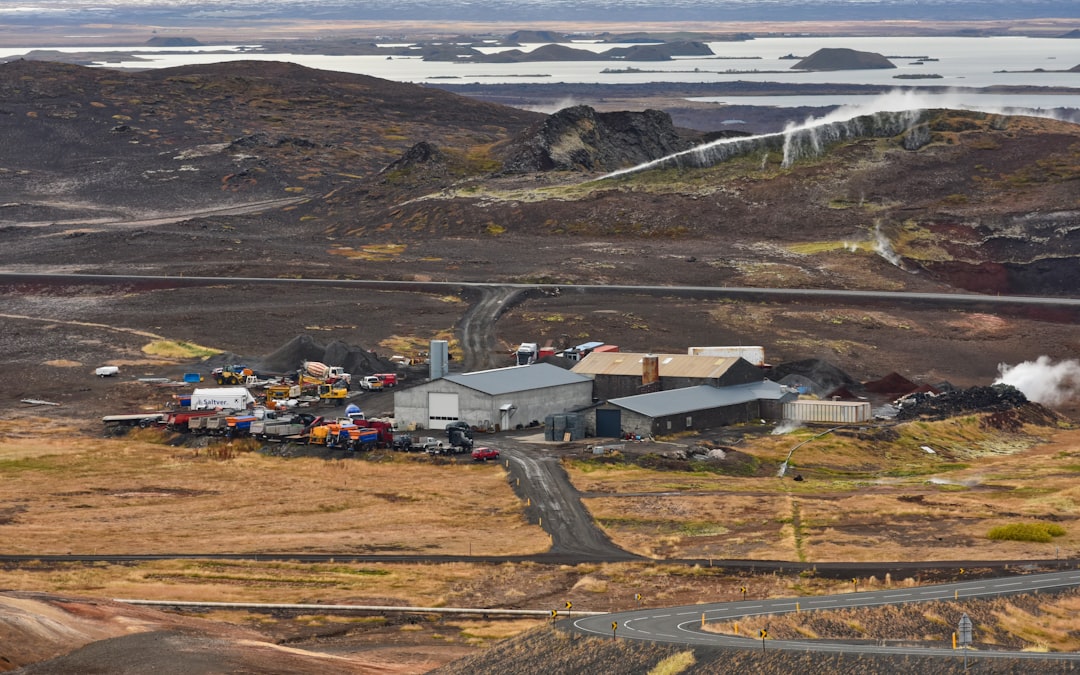
Mining operations are the lifeblood of modern industry, extracting the raw materials that build our world. But these sites are often located in the planet's most isolated and inhospitable environments, far from the reach of a reliable power grid. In these remote frontiers, a constant, dependable source of electricity isn't a luxury—it's the critical component that keeps the entire operation running. This is where the diesel mining generator becomes the unsung hero, providing the brute force and unwavering reliability needed to power the dig.
The Unseen Backbone of Modern Mining
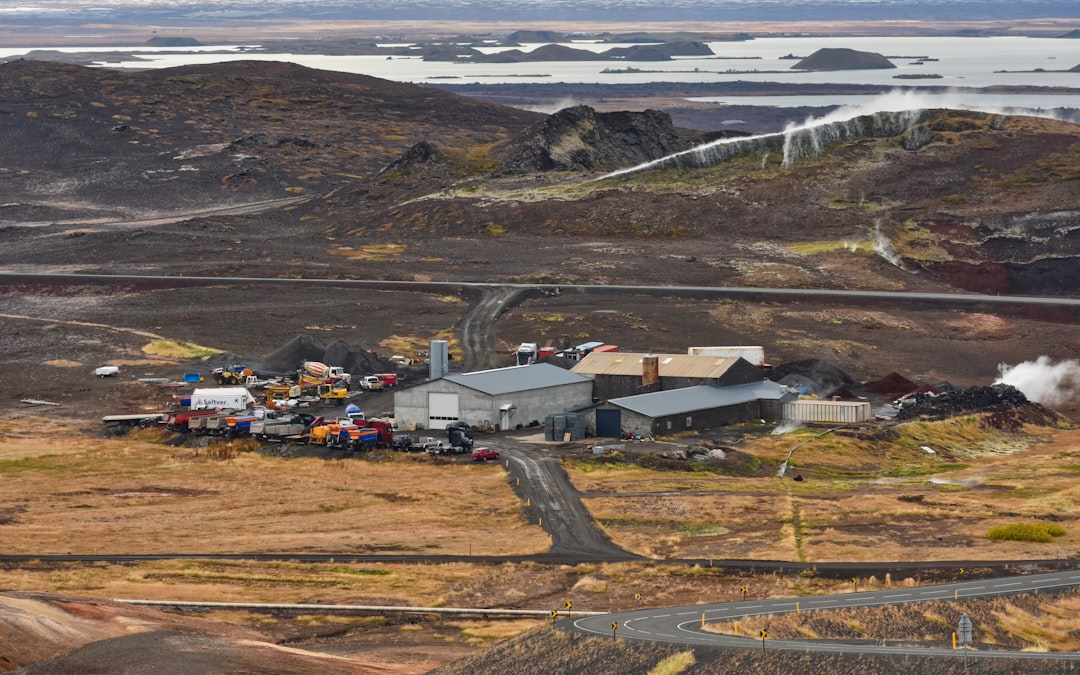
While massive haul trucks and towering crushers are the visible face of mining, none of it moves without power. Diesel generators provide an estimated 70% of the electricity at mining sites, making them the true backbone of the industry. From the initial exploration and site construction to full-scale extraction and processing, these power plants-in-a-box make modern mining possible in off-grid locations. Without them, productivity would grind to a halt, and the acquisition of essential resources would be severely crippled.
Why is Independent Power Crucial for Mining?
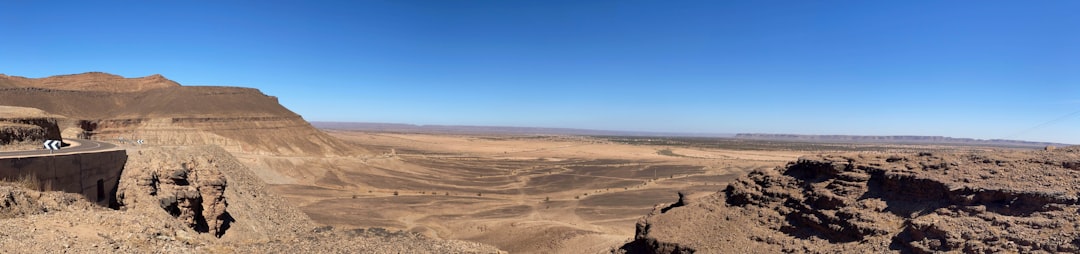
Reliance on a public utility grid is simply not an option for most mining projects. These operations are frequently established in remote deserts, dense jungles, or high-altitude mountain ranges where electrical infrastructure is non-existent. Even when a grid connection is technically possible, it's often unreliable and susceptible to outages that can cost a mine millions in lost production. The need for an independent, on-site power source is driven by several key factors:
- Location: Mines are situated where the resources are, not where it's convenient to build infrastructure.
- Downtime Costs: Every minute of a power outage means stalled machinery, halted processing, and compromised safety systems, leading to catastrophic financial losses.
- Power Quality: Heavy mining equipment requires stable, high-quality power that a weak or distant grid cannot always provide.
The Remote Conundrum: When the Grid is Not an Option
For a remote mining operation, establishing a connection to a national power grid can be prohibitively expensive and time-consuming, if not altogether impossible. The cost of building hundreds of kilometers of high-voltage transmission lines through difficult terrain is immense. Furthermore, these mines often have a defined lifespan, making such a permanent infrastructure investment financially unviable. This is the conundrum that diesel generators solve perfectly. They provide a deployable, self-contained power solution that can be set up anywhere, regardless of existing infrastructure.
Enter the Workhorse: The Diesel Mining Generator
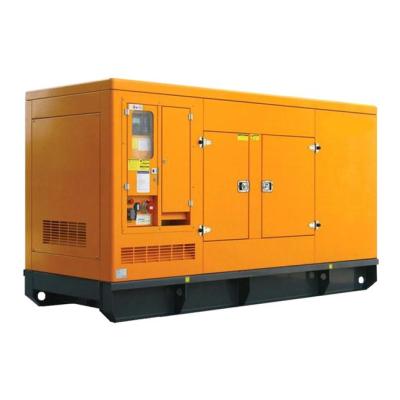
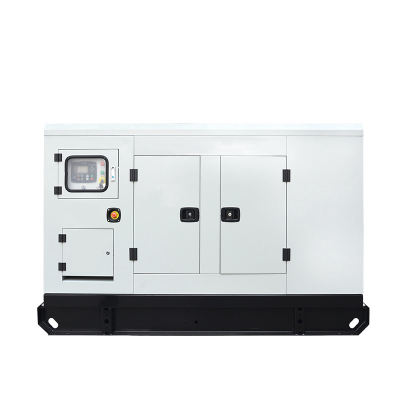
The diesel generator is the preferred choice for mining due to its unmatched combination of durability, reliability, and power density. These are not standard backup generators; they are industrial-grade powerhouses specifically engineered to withstand the brutal conditions of a mining site. They are designed for continuous, 24/7 operation and can handle the fluctuating power demands of heavy industrial machinery without faltering.
Delivering the Raw Power Heavy Machinery Demands
Mining is an energy-intensive business. The equipment used for extraction and processing requires enormous amounts of electricity. A diesel generator is capable of powering this entire ecosystem, including:
- Excavators and Drills: The primary tools for breaking and moving earth.
- Crushers and Grinders: Massive machines that reduce large rocks to manageable sizes.
- Conveyor Systems: The arteries of the mine, transporting materials across vast distances.
- Ventilation and Pumping: Essential safety systems that keep underground mines safe and dry.
- Worker Accommodations: Powering the camps that house the mine's workforce.
The ability to provide a steady and powerful current is essential, as the starting torque for many of these machines can be immense.
Scalability and Modularity: Power That Grows with Your Mine
Mining operations evolve. The power needs during the initial exploration phase are far less than those required during peak production. Diesel generator systems excel in this area due to their modularity. Mines can start with a smaller generator set and easily add more units in parallel as the site expands. This scalability allows mine operators to manage capital expenditures effectively, only paying for the power capacity they currently need. Leading manufacturers like Caterpillar and Cummins offer a wide range of generators that can be synchronized to create a mini-grid capable of producing over 50 MW of power.
Unmatched Reliability: The Cost of Downtime
In mining, reliability is measured in dollars. An unexpected shutdown can halt the entire production chain, costing a company hundreds of thousands of dollars per hour. Diesel engines are renowned for their robust construction and mechanical simplicity, which translates to exceptional reliability and lower maintenance requirements compared to other technologies. They are built to endure extreme temperatures, dust, and constant vibration—the daily realities of a mining environment. This dependability gives mine operators the peace of mind that their power source won't be the weak link in their operation.
Fueling the Beast: Logistics in a Harsher Environment
Of course, a diesel generator is useless without fuel. Managing the logistics of diesel supply in a remote area is a significant challenge. It involves transporting and storing large quantities of fuel safely and ensuring a continuous supply chain, often through difficult terrain and harsh weather conditions. Despite this, diesel fuel remains a practical choice due to its high energy density and stability, making it easier and safer to transport and store than more volatile fuels. Efficient fuel management and consumption monitoring are key operational priorities for any off-grid mine.
A Practical Comparison: Generator Sizing for Mining Tasks
Choosing the right size generator is crucial for operational efficiency. A generator's capacity is typically measured in kilo-volt-amperes (kVA). The table below provides a simplified overview of generator sizes and their typical applications in a mining context.
| Generator Size (Prime Power) | Typical Mining Applications |
|---|---|
| 100 - 500 kVA | Powering small exploration camps, communication towers, auxiliary pumps, and site lighting. |
| 500 - 1250 kVA | Running individual large pumps, small conveyor belts, maintenance workshops, and primary power for a small-scale mine. |
| 1250 - 2500+ kVA | Powering primary crushers, large excavators, ventilation systems for underground mines, and entire processing plants. |
| Multi-Megawatt (Parallel) | Acting as the central power station for large, complex mining operations with multiple processing circuits and large camps. |
Maintenance and Durability: Built for the Toughest Conditions
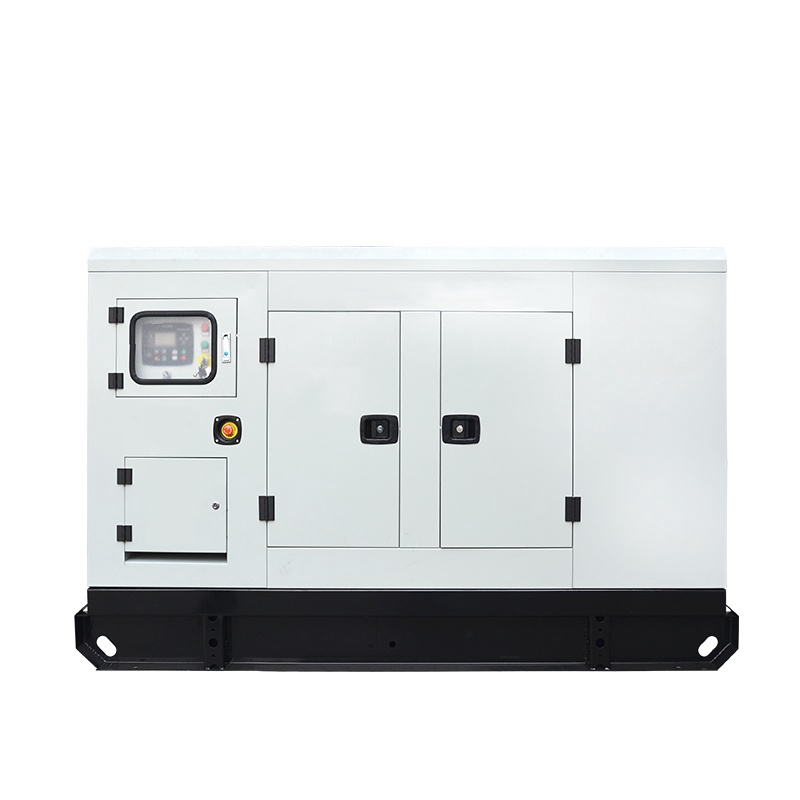
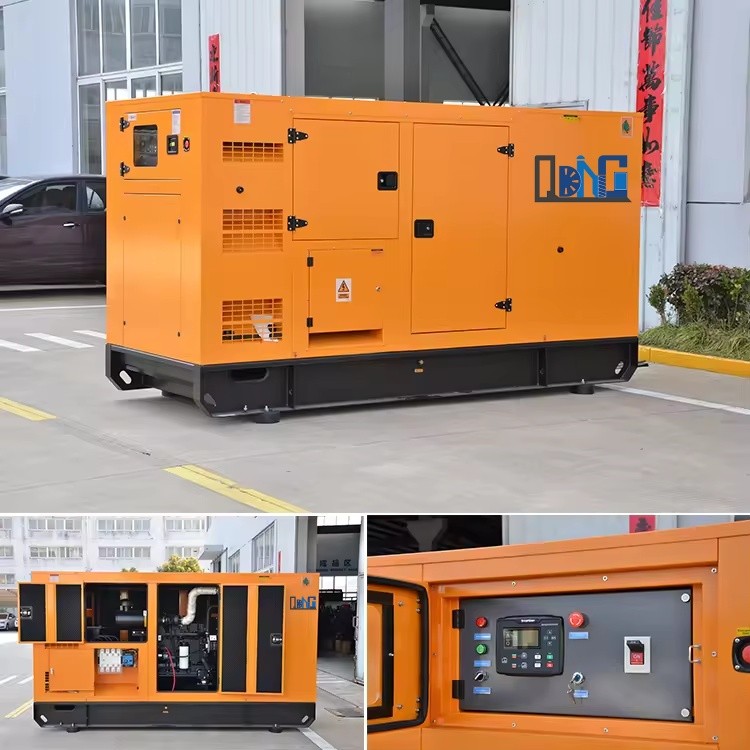
Mining generators are designed for durability and ease of maintenance. Many are housed in heavy-duty, weatherproof ISO shipping containers. These containerized units protect the engine and alternator from dust, moisture, and physical impacts. They also provide a walk-in, sound-attenuated environment for maintenance staff to work safely, a significant advantage over smaller, canopy-style generators where access is tight. Routine maintenance schedules, such as oil and filter changes every 250-500 operating hours, are critical to ensuring a long and reliable service life.
Beyond the Engine: Enclosures and Environmental Protection
The enclosure of a mining generator is more than just a box. It's a critical component for reliability and safety. These enclosures are often designed with advanced air filtration systems to combat dust, robust cooling packages to handle high ambient temperatures, and spill containment to protect the environment. Sound attenuation is also a key feature, reducing noise levels to ensure a safer and more comfortable working environment for personnel on site.
The Future is Hybrid: Integrating Renewables with Diesel Power
While diesel remains the king of remote power, the industry is evolving. To reduce fuel costs and environmental impact, many mines are now adopting hybrid power solutions. These systems integrate large-scale solar or wind farms with a battery storage system and a diesel generator plant. In this setup, renewables provide the bulk of the power during the day, with the battery storing excess energy. The diesel generators then kick in to fill any gaps, provide power at night, or ensure grid stability. This hybrid approach offers the best of both worlds: reduced operational costs and emissions, combined with the proven reliability of diesel power.
For checking suitable generator product for your project — Contact NovArk Power
Get a free power system design consultation for your diesel generator set project. Our engineers will analyze your requirements and deliver a tailored generator solution.
This article is for informational purposes only. Specifications and availability may vary by region. Please contact NovArk Power for a confirmed quotation tailored to your project requirements.