Powering Progress: The Definitive Guide to Using Diesel Generators for Large-Scale Projects
Powering Progress: The Definitive Guide to Using Diesel Generators for Large-Scale Projects
Discover why diesel generators are the backbone of major projects in construction, mining, and data centers. This guide covers everything from selecting the right size and ensuring.
What You Will Learn
- H2: What Makes Diesel Generators Ideal for Heavy-Duty Applications?
- H2: Understanding Power Ratings: Prime vs. Standby for Your Project
- H2: Key Industries Relying on Diesel Generators
- H2: Calculating Power Needs: How to Size Your Generator Correctly
- H2: Fuel Efficiency and Long-Term Cost-Effectiveness
- H2: Scalability and Modularity for Growing Projects
- H2: The Importance of a Robust Maintenance Schedule
- H2: Navigating Environmental Regulations and Modern Emission Standards
- H2: Essential Safety Protocols for On-Site Generator Operation
- H2: The Future: Hybrid Systems and Sustainable Alternatives
Large-scale projects, whether in construction, mining, manufacturing, or events, are the engines of modern industry. Their success hinges on meticulous planning, skilled labor, and, most critically, a constant and reliable source of power. Any interruption can lead to catastrophic delays, budget overruns, and safety hazards. In environments where grid power is either unavailable, unstable, or insufficient, diesel generators emerge as the undisputed heavy-duty heroes, providing the robust power needed to drive progress forward.
This comprehensive guide explores the pivotal role of diesel generators in powering significant projects. We will delve into their core advantages, how to select the right unit for your needs, operational best practices, and what the future holds for on-site power generation.

H2: What Makes Diesel Generators Ideal for Heavy-Duty Applications?
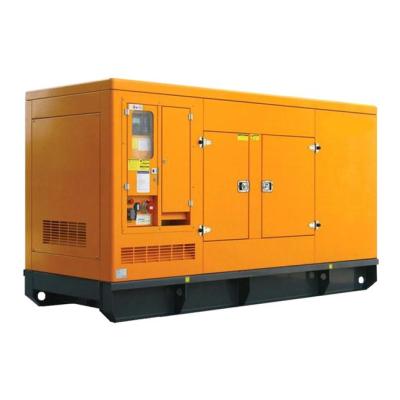
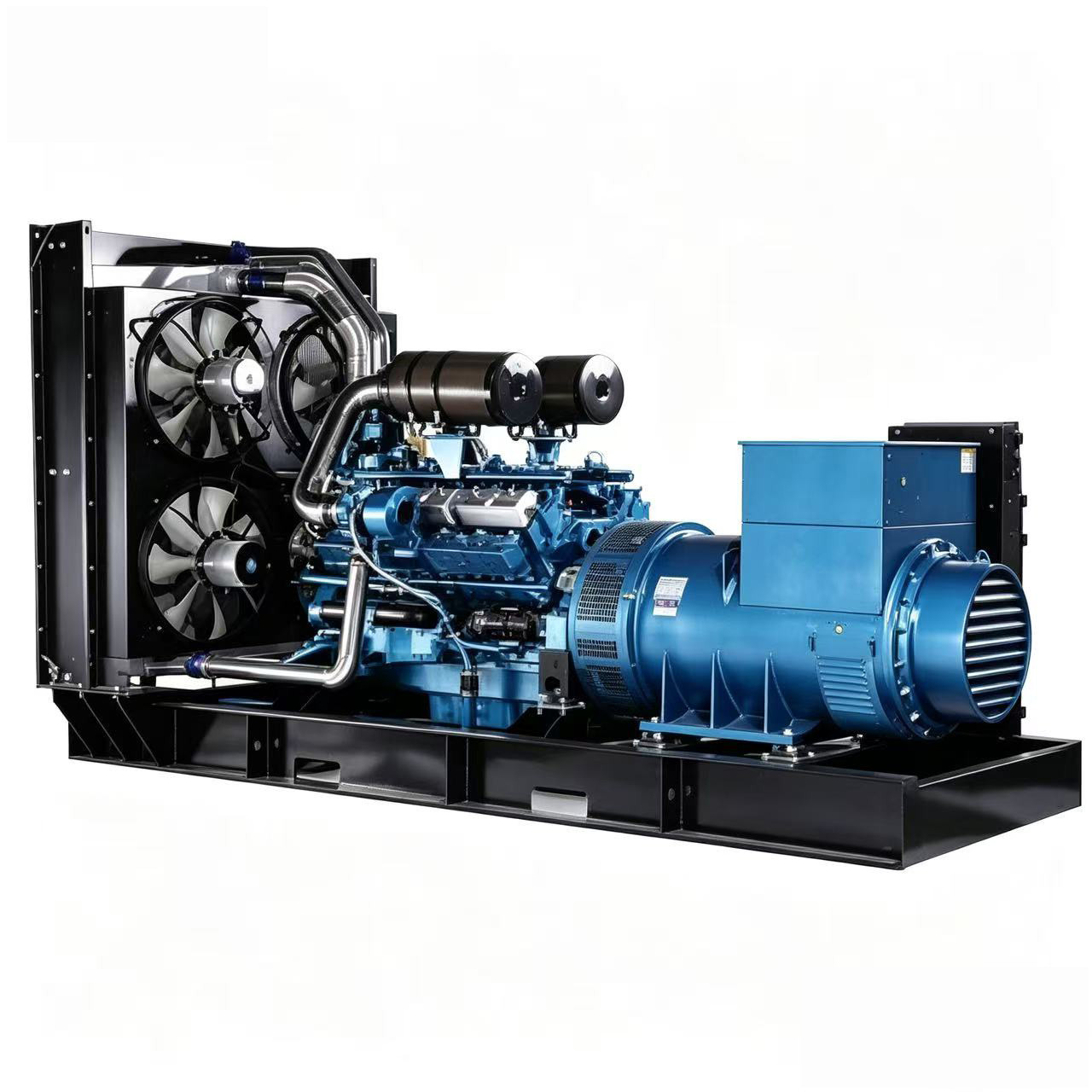
Diesel generators are engineered for resilience and high performance, making them a preferred choice for demanding industrial applications. Unlike other power sources, they offer a unique combination of durability, fuel efficiency, and high power output. Their engines are built to withstand heavy workloads and harsh operating conditions, from the dust of a mining site to the extreme temperatures of remote construction projects. This inherent robustness ensures a longer lifespan and less frequent maintenance, translating to lower long-term costs and minimal downtime.
H2: Understanding Power Ratings: Prime vs. Standby for Your Project
When selecting a generator, it's crucial to understand the difference between prime and standby power ratings.
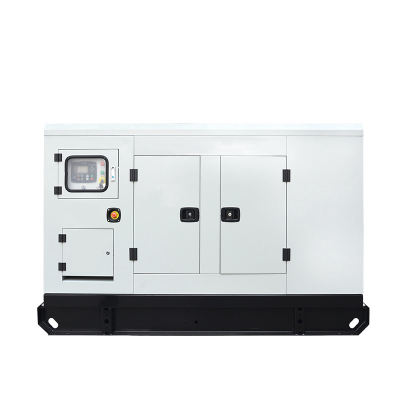
- Standby Power: This is the maximum power a generator can supply for a limited time during a power outage. These units are designed to run for the duration of the outage and are common in buildings like hospitals or data centers where grid power is the primary source.
- Prime Power: Prime power generators are designed to be the main source of power 24/7 in off-grid locations, such as remote mining operations or long-term construction sites. They can run continuously under variable loads for an unlimited number of hours.
For large-scale projects, which often operate in areas without grid access, prime power generators are typically the necessary choice to ensure continuous operation.
H2: Key Industries Relying on Diesel Generators
Several sectors are fundamentally dependent on the reliable power that diesel generators provide.
- Construction & Mining: These industries often operate in undeveloped areas far from the electrical grid. Diesel generators power everything from cranes, excavators, and drills to site lighting and ventilation systems.
- Manufacturing: Production lines require consistent, stable power. A sudden outage can damage equipment and ruin products. Diesel generators provide critical backup power to prevent costly downtime.
- Data Centers & Telecom: The digital economy runs on data. Data centers and telecommunication towers need an uninterruptible power supply (UPS) to prevent data loss and service interruptions. Diesel generators are the trusted second line of defense after a primary UPS fails.
- Oil & Gas: Extraction and drilling operations are frequently located in remote, inhospitable environments. Diesel generators are often the sole source of power for these critical operations.
H2: Calculating Power Needs: How to Size Your Generator Correctly
Properly sizing a generator is one of the most critical steps to ensure efficiency and reliability. An undersized generator will be unable to handle the load, leading to shutdowns, while an oversized generator will run inefficiently, wasting fuel and potentially leading to engine damage through a phenomenon known as 'wet stacking'.
To size a generator correctly:
- List All Equipment: Itemize every piece of equipment that will draw power, from the largest crane to the smallest light bulb.
- Determine Starting vs. Running Wattage: Electric motors require a much higher wattage to start up (starting watts) than they do to operate (running watts). Your generator must be able to handle this initial surge.
- Calculate Total Load: Sum the running watts of all equipment and add the highest starting wattage requirement to determine the peak load. Experts often recommend choosing a generator that will regularly operate at 70-80% of its prime power rating for optimal efficiency.
H2: Fuel Efficiency and Long-Term Cost-Effectiveness
In any large-scale project, operational costs are under constant scrutiny. Diesel generators offer superior fuel efficiency compared to their gasoline counterparts, especially under heavy loads. Diesel fuel has a higher energy density, meaning more electrical energy can be generated per gallon. This efficiency translates directly into significant fuel savings over the thousands of hours a project may require. While the initial investment in a high-capacity diesel generator may be higher, the lower operational costs and longer lifespan deliver an excellent return on investment.

H2: Scalability and Modularity for Growing Projects
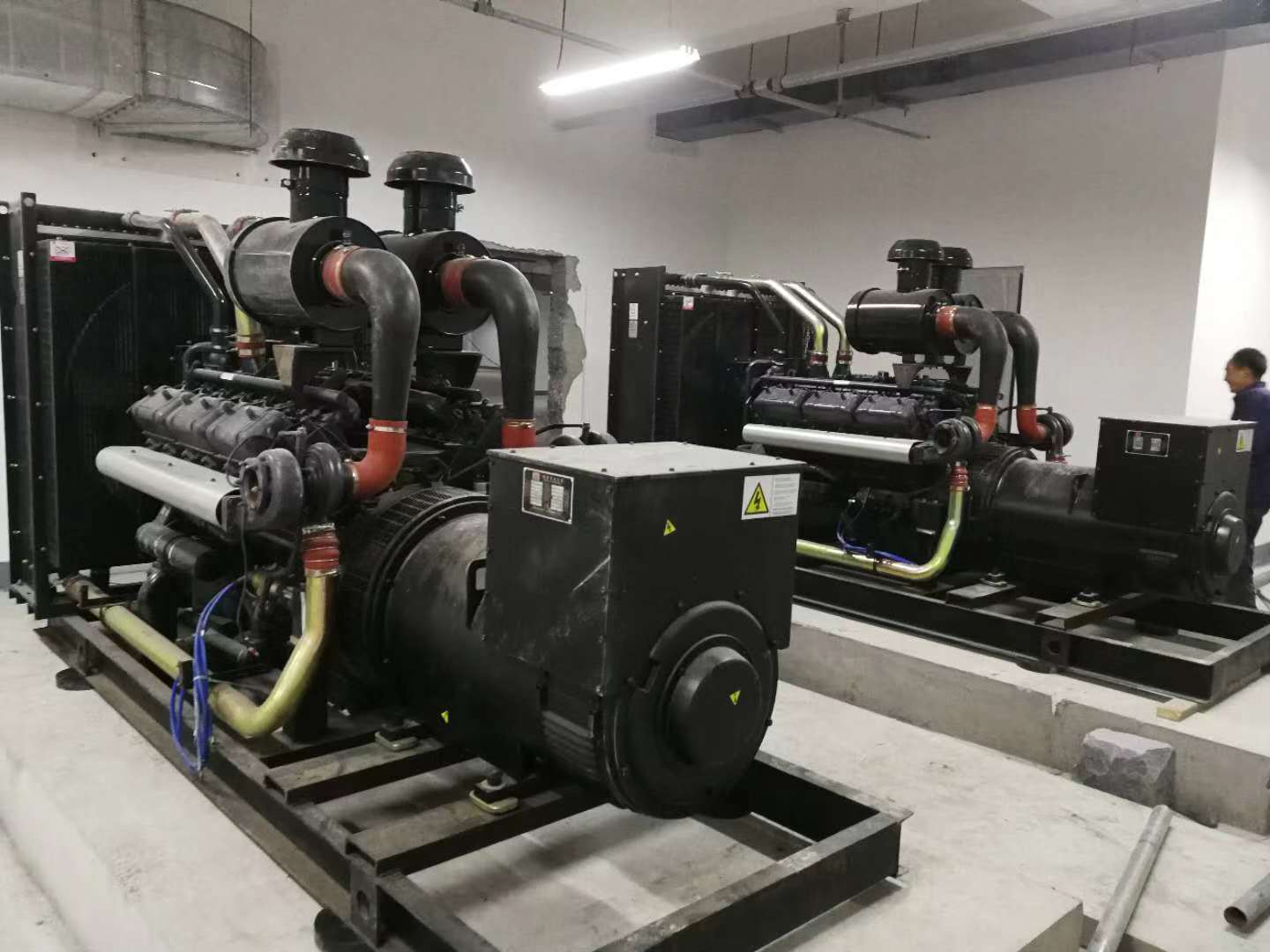
Large projects are rarely static; their power needs evolve as work progresses. Diesel generator solutions offer excellent scalability. A common strategy, known as a 'load on demand' system, involves using multiple smaller generators in parallel. This modular approach allows operators to bring additional units online as power demands increase or take them offline during periods of lower activity. This not only ensures the power supply matches the project's needs at every stage but also dramatically improves fuel efficiency by preventing generators from running at low, inefficient loads.
| Generator Configuration | Pros | Cons |
|---|---|---|
| Single Large Generator | Simple setup, single point of maintenance. | Inefficient at low loads, total failure risk. |
| Multiple Parallel Generators | Highly efficient, scalable, redundant. | More complex setup and synchronization. |
H2: The Importance of a Robust Maintenance Schedule
Although diesel generators are known for their durability and low maintenance needs compared to other engine types, a regular maintenance schedule is essential for ensuring reliability and longevity. Neglecting maintenance can lead to reduced efficiency, unexpected failures, and costly repairs.
A typical maintenance schedule includes:
- Regular Oil and Filter Changes: Just like any engine, clean oil is vital for lubrication and cooling.
- Cooling System Checks: Ensure the radiator and coolant levels are adequate to prevent overheating.
- Fuel System Inspection: Check for leaks and change fuel filters to prevent contaminants from reaching the engine.
- Battery Testing: Ensure the starting battery is charged and in good condition.
- General Inspection: Regularly look for leaks, loose connections, or signs of wear and tear.
H2: Navigating Environmental Regulations and Modern Emission Standards
Modern diesel generators are far cleaner than older models. Manufacturers have made significant strides in engine technology to reduce emissions and meet stringent environmental regulations, such as the EPA's Tier 4 Final standards in the United States and CPCB IV+ in India. These advanced generators incorporate technologies like Diesel Oxidation Catalysts (DOC), Diesel Particulate Filters (DPF), and Selective Catalytic Reduction (SCR) to significantly cut down on nitrogen oxides (NOx), particulate matter (PM), and other pollutants. When selecting a generator, it is crucial to ensure it complies with all local and national environmental regulations.
H2: Essential Safety Protocols for On-Site Generator Operation
Operating heavy machinery like industrial diesel generators requires strict adherence to safety protocols. Diesel fuel is less flammable than gasoline, which inherently reduces fire risk, but safety remains paramount. Key safety measures include:
- Proper Ventilation: Ensure the generator is placed in a well-ventilated area to prevent the buildup of exhaust fumes.
- Secure Placement: The unit should be on a stable, level surface away from traffic and combustible materials.
- Grounding: Proper electrical grounding is essential to prevent electric shock.
- Automated Safety Features: Modern generators are equipped with features like automatic shutdown for low oil pressure or high engine temperature.
- Trained Personnel: Only trained and authorized personnel should operate and maintain the generator.
H2: The Future: Hybrid Systems and Sustainable Alternatives
While diesel remains the king of heavy-duty power, the industry is evolving. The future of on-site power generation lies in hybrid systems that combine the reliability of diesel with the sustainability of renewable energy. For instance, a diesel generator can be paired with a large battery storage system. The generator runs at its peak efficiency to charge the batteries and is then shut off, with the batteries providing silent, emission-free power for periods of low load. This approach drastically cuts fuel consumption, emissions, and noise, offering a greener and more efficient power solution for the projects of tomorrow.
In conclusion, the demands of large-scale projects make a reliable power source non-negotiable. Diesel generators provide the durability, fuel efficiency, and scalable power output required to keep these massive undertakings on schedule and within budget. By carefully selecting the right size, adhering to maintenance and safety standards, and embracing new hybrid technologies, project managers can ensure their sites are powered for success.
Design Your Stable Emergency Power System — Contact NovArk Power
Get a free power system design consultation for your diesel generator set project. Our engineers will analyze your requirements and deliver a tailored generator solution.
This article is for informational purposes only. Specifications and availability may vary by region. Please contact NovArk Power for a confirmed quotation tailored to your project requirements.