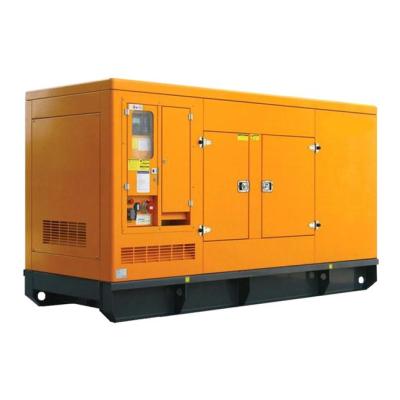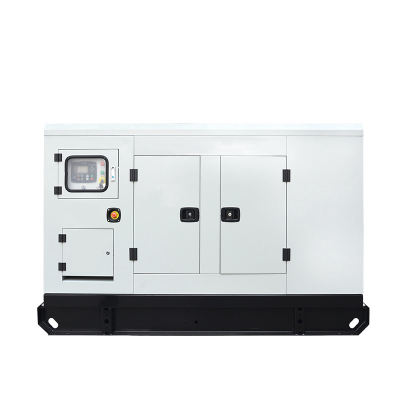
Powering Giants: Why Mining Demands Massive Gensets While Agriculture Thrives on Smaller Units
Unearthing the Power Divide: Generators in Mining vs. Agriculture
In the world of primary industries, both mining and agriculture are foundational pillars of the global economy. However, their energy requirements are worlds apart. A glance at their power solutions reveals a stark contrast: mining operations are powered by enormous, high-output generator sets, while agricultural settings typically rely on much smaller, more modest units. This difference isn't arbitrary; it's a direct reflection of their unique operational scales, equipment demands, environmental challenges, and the critical nature of their power needs.
H2: The Colossal Energy Appetite of the Mining Industry
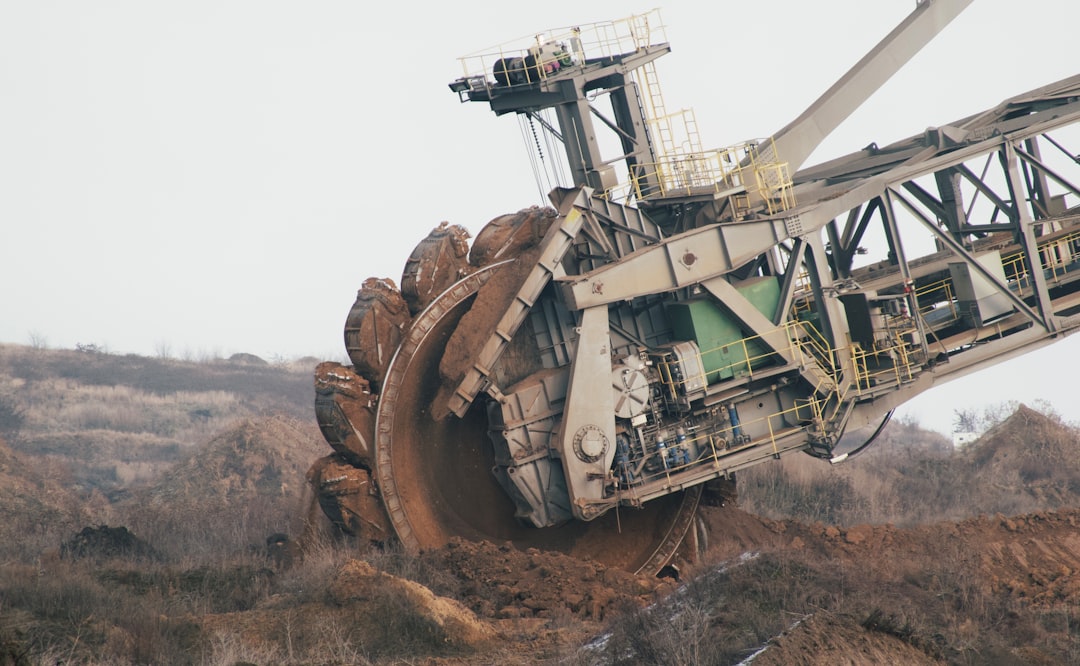
Mining sites are often located in the most remote and inhospitable places on earth, far from any established power grid. To extract valuable resources, these operations employ some of the largest and most power-hungry machinery in existence. This reality dictates the need for an independent, robust, and continuous power supply, with diesel generators providing approximately 70% of the energy. A power outage isn't just an inconvenience; it can halt production entirely, costing millions and posing significant safety risks.
H2: Why Scale Dictates Power: Heavy Machinery
The primary driver for large gensets in mining is the equipment. We're talking about massive drills, excavators that can move hundreds of tons of earth at once, colossal crushers, and extensive conveyor belt systems that run for miles. Each piece of this equipment requires an immense amount of electricity to operate, and multiple systems often run simultaneously around the clock.
| Equipment | Typical Power Requirement |
|---|---|
| Grinding Mill | 500–3,000 kW |
| Crusher | 100–800 kW |
| Large Ventilation Fan | 100–1,000 kW |
| Excavator | Varies (High) |
| Conveyor Belt System | 30–250 kW |
H2: The Non-Negotiable Demand for 24/7 Uptime
Mining is a 24/7/365 industry. Any interruption in power leads to immediate and catastrophic financial losses. More importantly, it jeopardizes safety. Ventilation systems in underground mines, for example, are critical for removing toxic gases and providing breathable air. Dewatering pumps prevent flooding. Without a constant power source, these life-sustaining systems fail. Consequently, mining operations invest in prime-rated generators designed for continuous, unlimited operation under variable loads.
H2: Generators Built for the Harshest Environments
Mining generators aren't just powerful; they are exceptionally durable. They are engineered to withstand extreme conditions, including:
- High Altitudes: Reduced oxygen levels can affect engine performance, requiring specialized configurations.
- Extreme Temperatures: From scorching deserts to frozen tundras, these gensets must operate reliably.
- Dust and Debris: Multi-stage air filtration is essential to protect sensitive engine components.
- Vibration and Humidity: Rugged construction and protective enclosures are standard.
H2: Modularity and Scalability in Mining Power
To meet fluctuating power demands and ensure redundancy, many mines employ a modular power strategy. Instead of relying on a single, massive generator, they use multiple smaller (yet still large) units that can be run in parallel. This approach enhances fuel efficiency by allowing operators to match power generation to the current load, activating or deactivating units as needed. It also provides a critical backup if one generator fails.
The Measured Power Needs of Agriculture
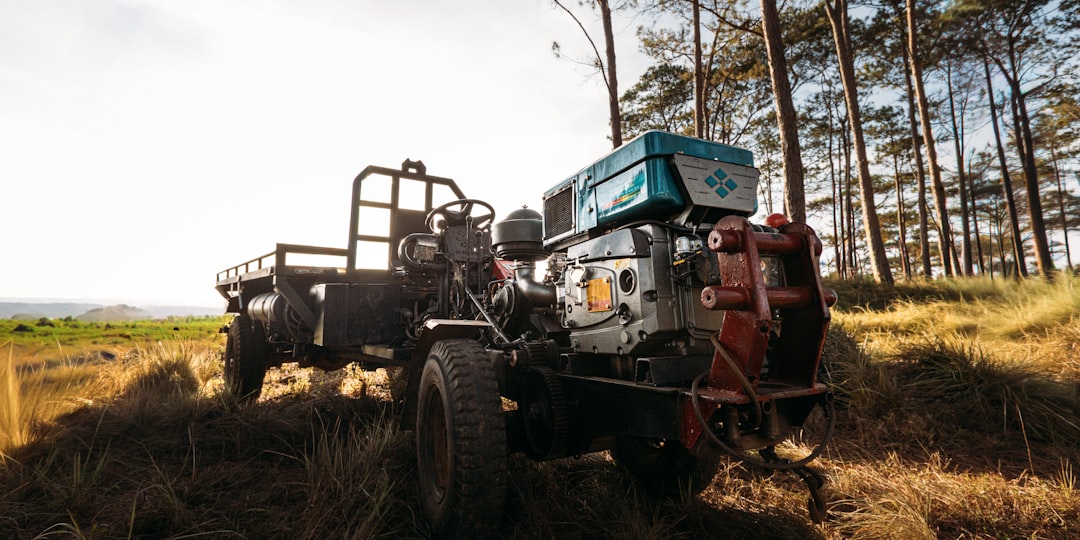
In contrast, the power requirements for a typical farm are substantially different. While still crucial for productivity and protecting livelihoods, agricultural power needs are generally smaller in scale, more decentralized, and often seasonal. Most farms are connected to the grid, and generators primarily serve as backup power during outages or for specific, mobile tasks.
H2: Powering the Essentials of Farm Operations
A farmer's list of essential equipment during a power outage is different from a mine's. The focus is on preserving livestock, protecting crops, and maintaining core functions. Critical loads typically include:
- Water Pumps: For livestock and irrigation.
- Ventilation Systems: For poultry houses and livestock barns.
- Refrigeration: For dairy and produce storage.
- Milking Machines: Essential for dairy farm operations.
While important, these loads are significantly smaller than the machinery found in a mine.
H2: The Importance of Motor Starting Capacity
A key challenge in sizing a farm generator is accounting for the starting wattage (or locked rotor amps) of electric motors. A motor can draw 3 to 5 times more power to start up than it does to run. A generator must be able to handle this initial surge without tripping. Farmers must calculate the total running and starting watts of the equipment they need to power simultaneously to select an appropriately sized unit, which might range from 15 kW to 50 kW for many operations.
H2: Backup Power vs. Prime Power
Most agricultural generators are standby-rated units, designed to run for a limited number of hours per year during emergencies. This is a fundamental difference from the prime-rated generators used in mining, which are built to be the primary source of power indefinitely. The design, durability, and cost of standby vs. prime generators reflect this difference in intended use.
H2: Flexibility and Portability in the Field
Agriculture often requires power in various locations across a large property. Smaller, often portable generators are ideal for powering tools for fence repair, running irrigation pumps in remote fields, or providing light for nighttime work during harvest. This need for flexibility favors smaller, more mobile power solutions over the massive, stationary installations seen at mines.
H2: A Tale of Two Industries: The Final Verdict
The chasm in generator size between mining and agriculture is a clear illustration of form following function. Mining's relentless, large-scale operations in grid-less locations demand massive, durable, and continuous power plants capable of running heavy industrial machinery around the clock. Agriculture, with its connection to the grid and more targeted, seasonal power needs, benefits from smaller, flexible, and often portable generators that ensure critical systems remain online during outages.
Ultimately, both industries rely on generators to power their success, but their vastly different operational contexts dictate a world of difference in the scale and specification of their chosen power solutions.
For checking suitable generator product for your project — Contact NovArk Power
Get a free power system design consultation for your diesel generator set project. Our engineers will analyze your requirements and deliver a tailored generator solution.
This article is for informational purposes only. Specifications and availability may vary by region. Please contact NovArk Power for a confirmed quotation tailored to your project requirements.