Never Again in the Dark: The Ultimate Guide to Powering Your Agricultural and Livestock Operations
Never Again in the Dark: The Ultimate Guide to Powering Your Agricultural and Livestock Operations
Uninterrupted power is a non-negotiable for modern farms. This guide explores how to select the right generator to protect your livestock, crops, and profitability. From calculating.
What You Will Learn
- Uninterrupted Power: The Lifeblood of Modern Farming
- Why Your Farm Can't Afford a Power Outage
- Calculating Your Farm’s Power Requirements
- H2: Understanding Generator Types for Agriculture
- Fueling Your Farm's Future: Diesel, Propane, or Natural Gas?
- The Importance of an Automatic Transfer Switch (ATS)
- Protecting Your Livestock with Unfailing Power
- Regular Maintenance: Ensuring Your Generator is Ready
Uninterrupted Power: The Lifeblood of Modern Farming
In today's highly automated agricultural landscape, a constant and reliable power supply is no longer a luxury—it's the critical backbone of your entire operation. From the automated feeding systems in your barns to the ventilation that keeps your livestock healthy, every component relies on electricity. A power outage, even a brief one, can trigger a cascade of disastrous consequences, including spoiled milk, stressed or lost animals, and significant financial losses. Modern farms depend on power for milking parlors, irrigation systems, cooling and heating, and much more. Investing in a dependable backup power solution is not just about convenience; it is a fundamental pillar of risk management for any serious agricultural or livestock enterprise.
Why Your Farm Can't Afford a Power Outage
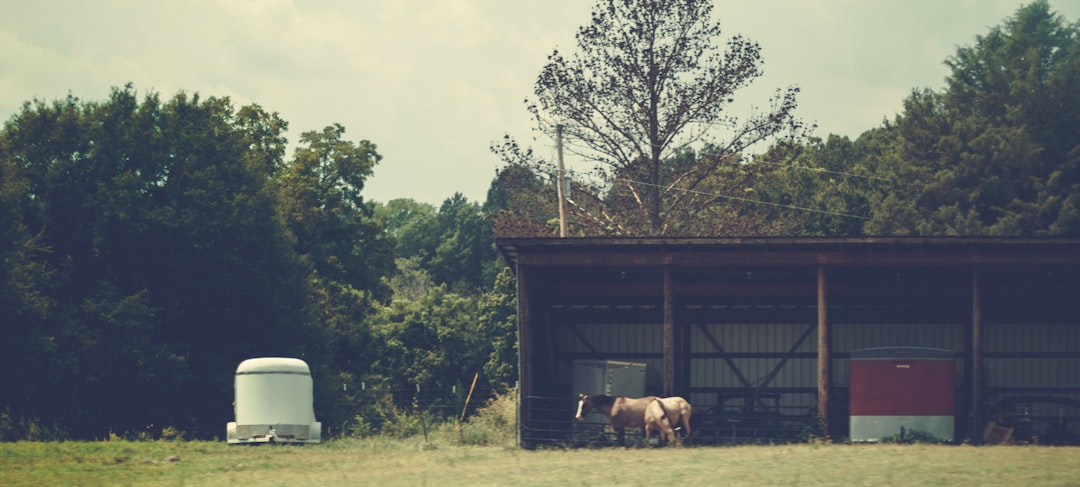
A sudden loss of power can halt operations instantly, putting your investments and livestock at immediate risk. For dairy operations, milking systems shut down, and vital milk cooling tanks stop working, leading to potential spoilage and a drop in quality. In poultry houses and other livestock barns, ventilation is crucial for regulating temperature and air quality; a failure can be life-threatening to the animals within hours. Likewise, automated feeding and watering systems ceasing to function can cause significant stress and health issues for livestock. During critical seasons, the inability to power irrigation systems could devastate an entire crop. Ultimately, a power outage directly translates to lost productivity and revenue.
Calculating Your Farm’s Power Requirements
Before you can choose a generator, you must first understand how much power your farm consumes. This is the most crucial step in ensuring your backup system is adequate and reliable. Start by creating a comprehensive list of all essential equipment that needs to run during an outage. This includes everything from milking equipment and refrigeration units to water pumps, ventilation fans, heating systems, and automated feeders. It's highly recommended to work with a qualified electrician to perform a load calculation. They can determine the starting and running wattage of each piece of equipment and help you understand your total power demand, including whether your service is single-phase or three-phase. This professional assessment ensures you don't invest in a generator that is either underpowered for your needs or excessively oversized and inefficient.
H2: Understanding Generator Types for Agriculture
There are three main types of generators suitable for farm use, each with its own set of advantages and applications. The primary options are portable generators, power-take-off (PTO) generators driven by a tractor, and permanent standby generators. The best choice for your farm will depend on your specific power needs, budget, and operational scale.
Standby Generators: The Ultimate in Reliability
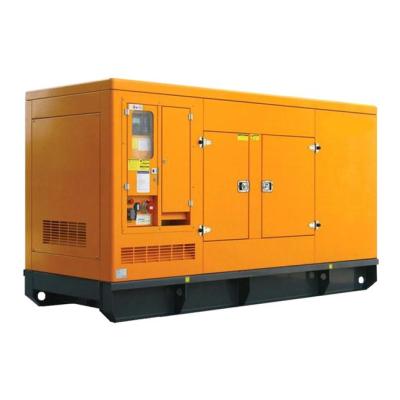
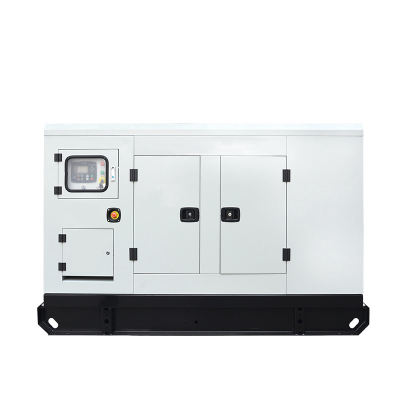
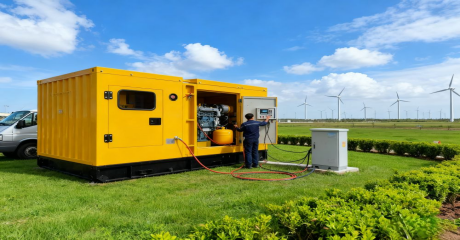
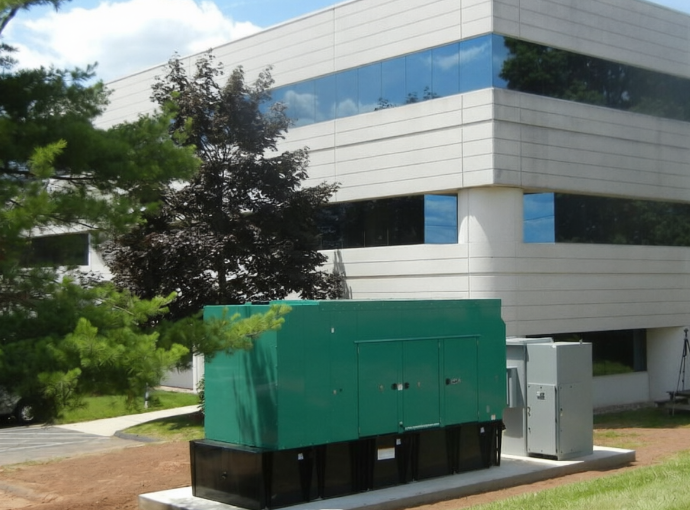
For large-scale livestock and dairy operations where a power failure is not an option, a permanent standby generator is the most reliable solution. These units are permanently installed on your property and connected to your electrical system via an automatic transfer switch (ATS). The ATS constantly monitors the power from the grid. The moment an outage is detected, it automatically starts the generator and transfers the electrical load, often in less than a minute. This seamless transition ensures that critical systems like ventilation, milking parlors, and coolers never skip a beat. Standby generators offer peace of mind, knowing your farm is protected 24/7, even when you are not on-site.
PTO Generators: Leveraging Your Existing Assets
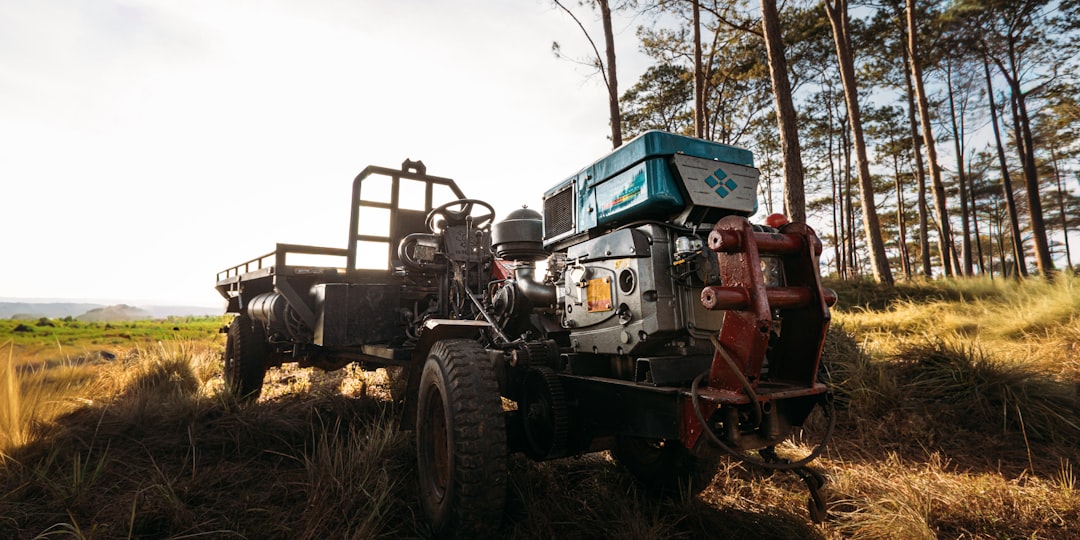
Power-take-off (PTO) generators are a cost-effective and powerful option for farms that already own a suitable tractor. These generators connect to the tractor's PTO shaft, using the tractor's engine to generate electricity. PTO generators can offer significant power output, capable of running entire farms, including heavy-duty equipment like feed mills. While they require manual setup during an outage and a dedicated tractor to run, they represent a substantial value, providing high wattage capacity for a lower initial investment compared to a standalone standby unit of similar size.
Portable Generators: Flexibility for Smaller Needs
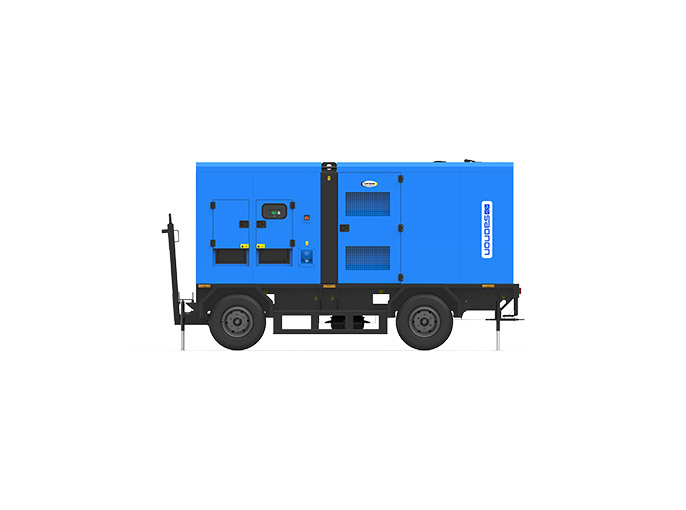
Portable generators are the least expensive option and can be a good choice for smaller farms or for powering specific, non-critical tasks. While they lack the power to run a large dairy or a fully automated poultry house, they can be invaluable for running essential pumps, some tools, or basic lighting in an emergency. However, it's crucial to understand their limitations. They require manual refueling, have limited run times, and must never be operated in an enclosed space due to the risk of carbon monoxide poisoning.
Fueling Your Farm's Future: Diesel, Propane, or Natural Gas?
The choice of fuel for your generator is a critical decision that impacts cost, convenience, and maintenance. The most common options for agricultural generators are diesel, propane, and natural gas. Diesel generators are often favored for their power and efficiency, delivering a high energy output per gallon and featuring engines known for their durability and lower maintenance requirements. Propane is a clean-burning and easily storable fuel, making it an excellent choice for rural properties without access to a natural gas line. Natural gas generators are very convenient if your farm is already connected to a pipeline, eliminating the need for on-site fuel storage.
| Fuel Type | Pros | Cons | Best For |
|---|---|---|---|
| Diesel | High power output, fuel-efficient, engine durability, runs for extended periods. | Requires on-site fuel storage, can be noisy, higher emissions. | Large-scale operations, dairy farms, and critical power needs. |
| Propane (LP) | Clean-burning, long shelf life, easy to store in tanks. | Less energy-dense than diesel, may require large storage tanks. | Rural homes and medium-sized farms without natural gas access. |
| Natural Gas | Convenient pipeline access (no refueling), cleaner emissions. | Dependent on pipeline integrity, lower power density than diesel. | Farms with existing natural gas service and less intensive power needs. |
The Importance of an Automatic Transfer Switch (ATS)
An automatic transfer switch is the brain of a standby generator system. This device is what makes the power backup process truly seamless and safe. It isolates your farm's electrical system from the utility grid during an outage, which is a critical safety measure to prevent back-feeding electricity into the power lines and endangering utility workers. When grid power is restored, the ATS safely transfers the load back to the utility and shuts down the generator. For any operation where continuous power is essential, an ATS is a mandatory component for both safety and convenience.
Protecting Your Livestock with Unfailing Power
For any livestock operation, especially poultry and dairy, continuous power is a matter of animal welfare and survival. Ventilation systems in poultry houses and hog barns are essential for maintaining air quality and preventing heat stress, which can quickly become fatal during an outage. In dairy farms, automated milking systems not only improve efficiency but are also crucial for the cows' health and comfort. Backup power ensures these systems, along with feed augers and water pumps, continue to operate flawlessly, protecting the health and productivity of your animals.
Regular Maintenance: Ensuring Your Generator is Ready
Investing in a generator is only the first step; a consistent maintenance plan is essential to ensure it will perform when you need it most. It is recommended to run your generator under a load for a couple of hours at least every two months. This keeps the engine lubricated and helps identify any potential issues before an actual emergency. For PTO generators, ensure the tractor you plan to use is also well-maintained, with no fuel or oil leaks that could pose a fire hazard. Keep a maintenance log and follow the manufacturer's service schedule to guarantee your backup power source is always in a state of readiness.
For checking suitable generator product for your project — Contact NovArk Power
Get a free power system design consultation for your diesel generator set project. Our engineers will analyze your requirements and deliver a tailored generator solution.
This article is for informational purposes only. Specifications and availability may vary by region. Please contact NovArk Power for a confirmed quotation tailored to your project requirements.