Lifeline in the Dark: Why Diesel Generators Are a Hospital's Most Critical Asset for Backup Power
Lifeline in the Dark: Why Diesel Generators Are a Hospital's Most Critical Asset for Backup Power
In healthcare, a power outage is not just an inconvenience; it's a critical event that can endanger lives. This article explores why diesel generators are the gold standard for.
What You Will Learn
- Why Is Uninterrupted Power a Non-Negotiable in Healthcare?
- Diesel Generators: The Gold Standard for Hospital Backup Power
- Powering More Than Just Lights: What a Generator Supports
- Sizing Your Generator: It's More Than Just a Numbers Game
- Fuel Source Showdown: Diesel vs. Natural Gas
- The Critical Role of the Automatic Transfer Switch (ATS)
- Complying with the Alphabet Soup of Regulations: NFPA, TJC, CMS
- Mission-Critical Maintenance: A Generator Is Only as Good as Its Last Test
- Redundancy: Planning for the Worst-Case Scenario
- Beyond Compliance: Achieving True Operational Resilience
Why Is Uninterrupted Power a Non-Negotiable in Healthcare?
In a hospital, a constant and stable power supply is the silent, beating heart that sustains every aspect of patient care. A power outage, even for a few seconds, can have catastrophic consequences. It can disrupt life-sustaining equipment in Intensive Care Units (ICUs) and operating rooms, compromise the integrity of stored medical supplies like vaccines and blood samples, and disable critical IT and communication systems. The stakes are simply too high for even a moment of darkness. Because of this, regulatory bodies like the National Fire Protection Association (NFPA) mandate that all hospitals have a robust emergency power supply system (EPSS) capable of restoring power to critical systems within 10 seconds of a utility failure.
Diesel Generators: The Gold Standard for Hospital Backup Power
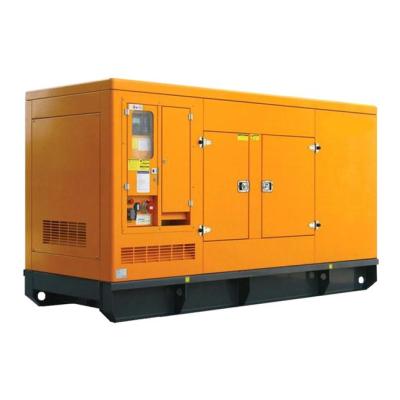
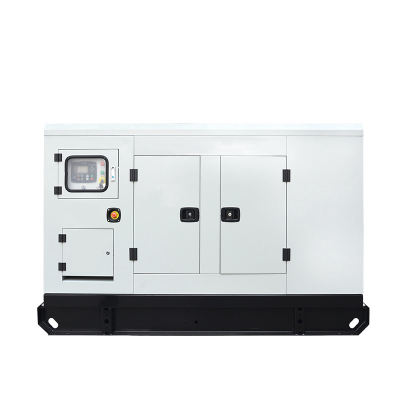
While various backup power options exist, diesel generators are overwhelmingly the preferred choice for hospitals worldwide. There are several compelling reasons for this reliance on diesel technology:
- Unmatched Reliability and Rapid Response: Diesel generators are renowned for their ability to start and accept a full electrical load in seconds, easily meeting the stringent 10-second requirement.
- On-Site Fuel Storage: Unlike natural gas generators that depend on an external pipeline, diesel generators use fuel stored directly on-site. This creates a self-sufficient island of power, independent of external grid or supply line failures that can occur during natural disasters.
- Power Density and Durability: Diesel engines are workhorses, built to handle the heavy, sudden load demands of complex medical equipment like MRI machines and HVAC systems. They provide a high power output in a relatively compact footprint and are known for their long service life.
- Proven Technology: Diesel power generation is a mature, well-understood technology with a vast and established service infrastructure, ensuring parts and qualified technicians are readily available.
Powering More Than Just Lights: What a Generator Supports
A hospital generator does far more than just keep the lights on. Its role is to power a distributed network of critical systems, meticulously organized into branches to ensure the most vital functions are prioritized. These include:
- Life-Saving Machinery: Ventilators, defibrillators, infusion pumps, and patient monitoring systems in the ICU, neonatal, and emergency departments.
- Surgical and Procedural Equipment: Powering operating theaters and diagnostic imaging suites (X-ray, CT, MRI) to allow procedures to continue safely.
- Medical Supply Preservation: Maintaining a consistent temperature for refrigerators and freezers that store vital blood products, vaccines, and medications.
- Essential Building Systems: Running HVAC systems to control temperature and air quality, powering elevators for patient transport, and maintaining water pressure.
- IT and Communication Infrastructure: Keeping electronic health record (EHR) systems, communication networks, and security systems online to maintain operational coordination and safety.
Sizing Your Generator: It's More Than Just a Numbers Game
Determining the correct generator size is a critical first step. An undersized generator can fail under load, while an oversized one is inefficient and costly. The process involves a detailed load analysis, calculating the total power consumption of all essential equipment. This isn't just about current needs; professionals must account for peak usage, potential future expansion, and the large inrush currents required to start heavy machinery. Large hospitals may require multiple-megawatt systems, often using several generators in parallel to provide both the necessary capacity and redundancy.
Fuel Source Showdown: Diesel vs. Natural Gas
While diesel is the most common choice, it's beneficial to understand how it compares to natural gas for hospital applications.
| Feature | Diesel Generator | Natural Gas Generator |
|---|---|---|
| Fuel Storage | On-site in dedicated tanks | Supplied via external utility pipeline |
| Independence | Highly independent of external utilities | Dependent on pipeline integrity and pressure |
| Response Time | Very fast; typically meets the 10-second start rule | Can be slower to start and stabilize |
| Power Density | High power output for its size | Lower power density; physically larger for same output |
| Maintenance | Requires regular fuel maintenance and testing | Less fuel maintenance, but engine is more complex |
| Emissions | Higher emissions (NOx, particulates) | Cleaner burning with lower emissions |
For life-safety applications like hospitals, the independence provided by on-site diesel fuel storage is the decisive factor that makes it the superior choice.
The Critical Role of the Automatic Transfer Switch (ATS)
The unsung hero of any backup power system is the Automatic Transfer Switch (ATS). This device is the brain of the operation. It constantly monitors the incoming utility power. The instant it senses an interruption or voltage drop, it signals the generator to start. Once the generator is running at the correct voltage and frequency, the ATS safely disconnects the facility from the utility line and connects it to the generator. The entire process is seamless, automatic, and happens within seconds, ensuring that critical hospital loads experience only a momentary blip in power.

Complying with the Alphabet Soup of Regulations: NFPA, TJC, CMS
Operating a hospital generator is not an optional or self-regulated task. A strict framework of codes and standards governs every aspect of an EPSS to ensure it performs flawlessly when needed. Key regulatory bodies include:
- NFPA (National Fire Protection Association): NFPA 99 (Health Care Facilities Code) and NFPA 110 (Standard for Emergency and Standby Power Systems) are the core standards. They dictate installation requirements, testing protocols, maintenance schedules, and the 10-second power transfer time.
- TJC (The Joint Commission): As an accrediting body, TJC mandates that hospitals provide meticulous documentation of all generator testing, maintenance logs, and failure-response plans to prove compliance.
- CMS (Centers for Medicare & Medicaid Services): CMS requires hospitals to regularly test their emergency generators under load to ensure they can handle real-world demands.
Failure to comply with these standards can result in penalties, loss of accreditation, and most importantly, jeopardize patient safety.
Mission-Critical Maintenance: A Generator Is Only as Good as Its Last Test
A generator that fails to start during an emergency is worse than having no generator at all. This is why a rigorous, documented preventive maintenance program is essential. It’s a proactive strategy to ensure reliability. Maintenance schedules are typically broken down into weekly, monthly, and annual tasks.
- Weekly Checks: Simple visual inspections for leaks, verification that the controller is in 'Auto' mode, checking fuel levels, and ensuring no alarms are present.
- Monthly Tests: Running the generator under load for at least 30 minutes. This tests the entire system, including the ATS, and helps prevent 'wet stacking' in diesel engines.
- Annual Service: A comprehensive service performed by a certified technician, including changing oil and filters, coolant checks, load bank testing, and fuel quality analysis.
Every test and observation must be logged meticulously for compliance audits.
Redundancy: Planning for the Worst-Case Scenario
What happens if the primary backup generator fails? For the most critical facilities, this is where redundancy comes in. Redundancy planning involves having multiple layers of backup power. This can be achieved by installing multiple generators in an N+1 configuration, where 'N' is the number of generators required to meet the load, and '+1' is an additional backup unit. This ensures that even if one generator fails during an extended outage or is down for maintenance, the hospital's power supply remains secure.
Beyond Compliance: Achieving True Operational Resilience
Having a fully compliant and functional backup power system transcends simply checking a box on a regulatory list. It represents a commitment to patient safety and achieving true operational resilience. It's the confidence that, when the city goes dark, the hospital remains a brightly lit beacon of hope and healing. By investing in high-quality diesel generators, adhering to strict maintenance protocols, and ensuring regulatory compliance, medical facilities can guarantee they are prepared for any interruption, safeguarding their patients and their critical mission.
For checking suitable generator product for your project — Contact NovArk Power
Get a free power system design consultation for your diesel generator set project. Our engineers will analyze your requirements and deliver a tailored generator solution.
This article is for informational purposes only. Specifications and availability may vary by region. Please contact NovArk Power for a confirmed quotation tailored to your project requirements.