Inverter vs. Conventional Generator: How to Choose the Right Power Source for Your Needs
Inverter vs. Conventional Generator: How to Choose the Right Power Source for Your Needs
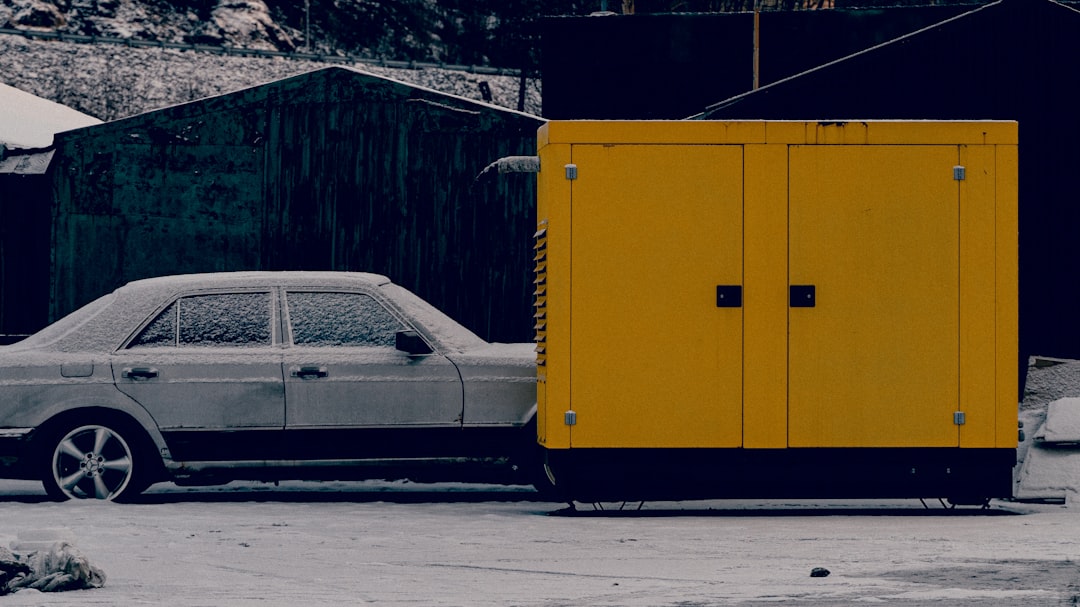
Choosing the right generator can feel overwhelming. With terms like 'inverter,' 'conventional,' 'sine wave,' and 'wattage' thrown around, it's easy to get lost in the technical jargon. However, understanding the fundamental differences between the two main types of portable generators—inverter and conventional—is the most critical step in finding the perfect match for your needs. Both generate electricity, but how they do it impacts everything from the safety of your electronics to the peace and quiet of your campsite. This guide will compare two distinct generator specs—an inverter model and a conventional model—to illuminate the key factors you must consider.
H2: The Core Difference: Power Quality and Delivery
The most significant distinction between an inverter and a conventional generator lies in the quality of the electricity they produce. A conventional generator's engine is directly connected to an alternator and must run at a constant speed (typically 3600 RPM) to produce AC electricity at the standard 60 Hz. This direct mechanical link can lead to fluctuations in power, known as harmonic distortion. While this is fine for robust power tools and basic appliances, it can be risky for sensitive modern electronics.
An inverter generator, on the other hand, employs a more sophisticated multi-step process. It first generates high-frequency AC power, converts it to DC, and then inverts it back into a clean, stable AC sine wave. This 'clean power' mimics the electricity from your utility outlets, making it essential for powering devices with microprocessors, like laptops, smartphones, TVs, and modern home appliances.
H2: Power Output (Wattage): Big Power vs. Smart Power
Conventional generators have long been the go-to solution for high-power demands. Because of their simpler and larger engine designs, they are often available in much higher wattage capacities, from 5,000 watts to over 15,000 watts. This makes them ideal for powering an entire house during an outage, running large air compressors on a job site, or handling multiple heavy-duty tools simultaneously.
Inverter generators traditionally focused on the lower end of the power spectrum, typically topping out around 4,000 watts. However, recent advancements have pushed their capacity higher, with some models now exceeding 9,000 watts. A key feature of many inverters is their parallel capability, which allows you to link two identical units together to double your power output. This offers incredible flexibility—use one for small tasks and link a second when you need more juice.
H2: Fuel Efficiency and Run Time
Fuel efficiency is where inverter generators truly shine. A conventional generator's engine runs at a constant high speed, regardless of the power being drawn. Whether you're powering a single lightbulb or a refrigerator, it consumes fuel at a nearly constant, high rate.
In contrast, an inverter generator uses smart throttle technology to adjust its engine speed based on the electrical load. If you're only charging a phone, the engine will slow to an idle, sipping fuel and dramatically reducing noise. This variable speed control means inverters can be 20-40% more fuel-efficient than their conventional counterparts, leading to longer run times on a smaller tank of gas and lower long-term operating costs.
H2: Noise Level: A Major Lifestyle Consideration
Anyone who has stood next to a traditional open-frame generator knows how loud they can be. Operating at a constant 3600 RPM, their noise level often ranges from 65 to over 75 decibels (dB), comparable to a vacuum cleaner or a busy city street. This can be a major issue in residential neighborhoods, campgrounds, or any environment where noise is a concern.
Inverter generators are engineered for quiet operation. They feature enclosed, sound-dampening housing and, most importantly, their ability to run at lower engine speeds under light loads makes them significantly quieter. Many inverters operate in the 50-60 dB range—the level of a normal conversation. This makes them the undisputed champions for recreational use, tailgating, and home backup power where you don't want to disturb your neighbors (or yourself).
H2: Portability and Design
Design directly impacts portability. Conventional generators are built around large engines and fuel tanks, housed in a rugged, open metal frame. While this design is durable, it also makes them heavy and bulky. Most models over 100 pounds require a wheel kit for transport.
Inverter generators are designed with portability in mind. Their components are more compact, allowing for a smaller overall footprint and lighter weight. Many smaller inverter units feature a suitcase-style carrying handle and can be easily lifted by one person, with weights often ranging from 40 to 60 pounds. This makes them far more convenient for camping, RVing, or any situation where you need to move the generator frequently.
H2: Cost: Upfront Investment vs. Long-Term Value
The initial purchase price is one area where conventional generators hold a clear advantage. Their simpler mechanical design makes them less expensive to manufacture. For a given wattage, a conventional generator will almost always be cheaper than an equivalent inverter model. If your primary concern is getting the maximum power for the lowest upfront cost, a conventional model is very appealing.
However, the higher upfront cost of an inverter generator can be offset over time. The significant fuel savings, coupled with their ability to safely power expensive electronics without risk of damage, provides a strong argument for their long-term value. Think of it as an investment in efficiency, quiet operation, and peace of mind.
H2: Use Case: The Right Tool for the Job
Choosing the right generator ultimately comes down to your primary application.
Choose a Conventional Generator for:
- Job Sites: Powering saws, drills, compressors, and other heavy-duty tools.
- Emergency Home Backup (on a Budget): Running essential non-sensitive appliances like well pumps, refrigerators, and lights when cost is the main driver.
- High-Wattage Needs: When you need the most power possible for the lowest initial price.
Choose an Inverter Generator for:
- Camping, RVing, and Tailgating: Where quiet operation and portability are paramount.
- Powering Sensitive Electronics: Essential for laptops, gaming consoles, drones, and modern TVs.
- Flexible Home Backup: Powering a mix of essentials and electronics with clean, stable power.
H2: Calculating Your Power Needs (Surge vs. Running Watts)
Before you buy any generator, you must calculate your power requirements. Every appliance has two wattage ratings: running watts (the continuous power it needs to operate) and starting watts (the extra surge of power needed to start up motors, which can be 2-3 times the running watts). Add up the running watts of all items you plan to power simultaneously. Then, identify the single highest starting wattage among them and add that to your total running watts. The result is the minimum starting watts your generator must provide.
H2: The Fuel Factor: Gas, Propane, and Diesel
While most portable generators in this comparison run on gasoline, it's worth noting other options. Dual-fuel generators offer the flexibility to run on either gasoline or propane, with propane offering longer shelf life and cleaner emissions. Larger, industrial-grade generators often run on diesel, which is known for its torque and fuel efficiency under heavy loads, making it ideal for large-scale, continuous operation.
H2: Specification Comparison Table
To simplify the decision, let's look at a head-to-head comparison of two hypothetical generators: a 3500-watt conventional model and a 3500-watt inverter model.
| Specification | Conventional Generator (3500W) | Inverter Generator (3500W) |
|---|---|---|
| Power Quality | Higher Harmonic Distortion (THD) | Clean Sine Wave (<3% THD) |
| Best For | Power tools, non-sensitive appliances | Sensitive electronics, recreational use |
| Noise Level | ~72 dB | ~58 dB |
| Fuel Efficiency | Lower (runs at constant speed) | Higher (engine speed varies with load) |
| Portability | Heavier, bulkier (~110 lbs) | Lighter, compact (~75 lbs) |
| Parallel Capability | No | Yes (most models) |
| Upfront Cost | $ | $$ |
H2: Conclusion: Making the Smart Choice
The debate between inverter and conventional generators isn't about which is definitively 'better,' but which is better for you. If your priority is raw power for rugged jobs and your budget is tight, a conventional generator remains a reliable and cost-effective workhorse. However, if your needs include powering sensitive devices, portability, and quiet operation for lifestyle activities, the higher upfront cost of an inverter generator is a worthwhile investment that pays dividends in fuel efficiency, convenience, and protecting your valuable electronics.
For checking suitable generator product for your project — Contact NovArk Power
Get a free power system design consultation for your diesel generator set project. Our engineers will analyze your requirements and deliver a tailored generator solution.
This article is for informational purposes only. Specifications and availability may vary by region. Please contact NovArk Power for a confirmed quotation tailored to your project requirements.