Fortifying the Cloud: How Diesel Generators Form the Unbreakable Backbone of Data Center Uptime
Fortifying the Cloud: How Diesel Generators Form the Unbreakable Backbone of Data Center Uptime
In an era where every second of downtime costs thousands, what truly powers the 99.999% uptime promise? This article dives deep into the critical role of diesel generators as the.
What You Will Learn
- Why Every Second Counts: The High Stakes of Data Center Uptime
- The Bedrock of Resiliency: Why Diesel Generators Remain Essential
- Decoding Uptime Tiers and Power Redundancy
- The Unsung Hero: The Automatic Transfer Switch (ATS)
- Designing for Failure: A Closer Look at Redundancy Models
- Lifeline of Operations: The Criticality of Fuel Management
- The Ultimate Stress Test: Why Load Bank Testing is Non-Negotiable
- Beyond the Checklist: A Proactive Maintenance Regimen
- Smart Power: The Role of Advanced Monitoring and Controls
- Securing Your Digital Future: Partnering for Uninterruptible Power
Why Every Second Counts: The High Stakes of Data Center Uptime
In the digital economy, data centers are the heart of global commerce, communication, and innovation. They power everything from cloud computing and AI workloads to financial transactions and streaming services. The expectation is simple: they must always be on. Even a few moments of downtime can trigger a cascade of negative consequences, including catastrophic data loss, violations of Service Level Agreements (SLAs), and a severe erosion of client trust. Industry estimates suggest that a single minute of downtime can cost a large data center thousands of dollars, making power reliability a non-negotiable cornerstone of its design and operation. While the primary electrical grid is the first line of supply, its vulnerability to weather, technical faults, and demand spikes makes it an unacceptable single point of failure. This is where the robust, time-tested technology of diesel generators becomes the ultimate insurance policy for digital continuity.
The Bedrock of Resiliency: Why Diesel Generators Remain Essential
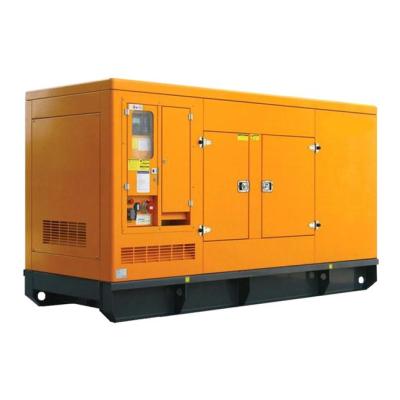
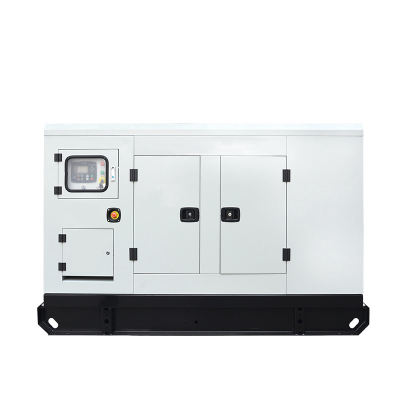
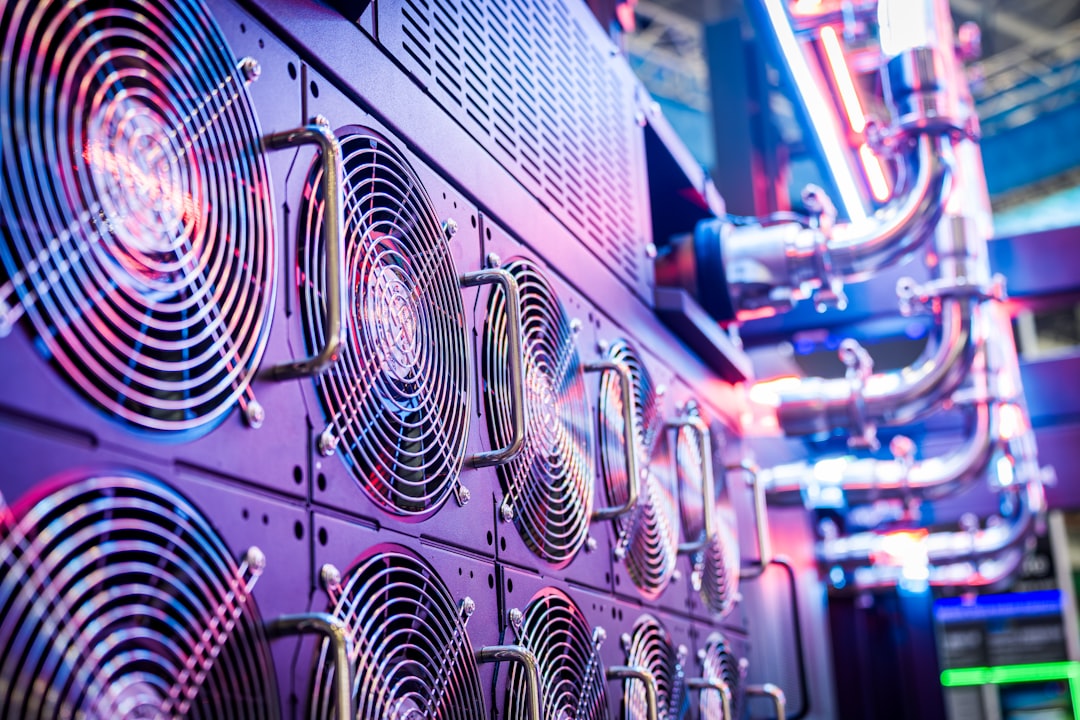
Despite the rise of various energy solutions, diesel generators remain the undisputed champions of backup power for mission-critical facilities. Their prominence is due to a powerful combination of factors. Diesel fuel is energy-dense, stable, and can be stored safely on-site for long periods, guaranteeing immediate fuel availability. Modern diesel generators are engineered for rapid-start capability, able to go from cold to full load in seconds — a critical requirement to seamlessly take over from a failing grid. They are also highly reliable, capable of running for extended durations, and can handle the massive electrical loads required to power not only servers but also the sophisticated cooling systems that prevent them from overheating. This proven performance makes them the bedrock of any serious data center's power resiliency strategy.
Decoding Uptime Tiers and Power Redundancy
The Uptime Institute's tier classification system is the global standard for data center reliability. Achieving a high tier rating, like Tier III or Tier IV which guarantees 99.99% or 99.999% uptime respectively, is impossible without a sophisticated approach to power redundancy. This is where concepts like N+1 and 2N come into play. "N" represents the number of generators required to fully power the facility's critical load. An N+1 design adds one extra generator to the system, providing a backup if one unit fails or needs maintenance. A 2N design offers complete fault tolerance by creating two entirely separate, mirrored power systems, each capable of running the entire data center independently. This eliminates any single point of failure and allows an entire power path to be taken offline for maintenance without impacting operations.
The Unsung Hero: The Automatic Transfer Switch (ATS)
The generator itself is only one part of the equation. The seamless transition from grid power to backup power is orchestrated by a critical device: the Automatic Transfer Switch (ATS). The ATS continuously monitors the incoming utility power. The instant it detects an interruption or instability, it signals the generator to start. Once the generator reaches stable operating voltage and frequency, the ATS automatically disconnects the facility from the utility line and connects it to the generator. This entire process happens within seconds, ensuring that the facility's Uninterruptible Power Supply (UPS) systems only need to bridge the power gap for a very short period. The ATS is the intelligent gatekeeper that makes the handover of power swift, safe, and automatic.
Designing for Failure: A Closer Look at Redundancy Models
Choosing the right redundancy model is a balancing act between risk tolerance and budget. While a simple N configuration offers no backup, it is unsuitable for any serious data center application.
- N+1 Redundancy: This is the most common model, providing a cost-effective layer of protection. If a facility needs four generators (N=4), an N+1 design installs five. It protects against the failure of a single unit.
- 2N Redundancy: This is the gold standard for mission-critical applications. It involves doubling the entire power infrastructure, from generators and transfer switches to power distribution units (PDUs). It provides fault tolerance, allowing the facility to withstand an equipment failure or an entire system shutdown for maintenance without interruption.
- 2N+1 and Beyond: For the most sensitive operations, a 2N+1 architecture adds an extra layer of security on top of a fully redundant system, ensuring N+1 availability even if an entire power distribution side fails.
Lifeline of Operations: The Criticality of Fuel Management
A generator is useless without a reliable supply of high-quality fuel. A comprehensive fuel management strategy is essential for ensuring long-term operation during an extended outage. This begins with sufficient on-site storage, often holding enough diesel to run the data center for 24, 48, or even 72 hours at full load. However, storage is not enough. Fuel quality must be actively managed. Diesel can degrade over time and become contaminated with water or microbes, which can clog filters and cause engine failure. Therefore, a robust fuel plan includes periodic fuel testing, polishing (filtering), and biocide treatments to ensure the engine's lifeline is always clean and ready for use.
The Ultimate Stress Test: Why Load Bank Testing is Non-Negotiable
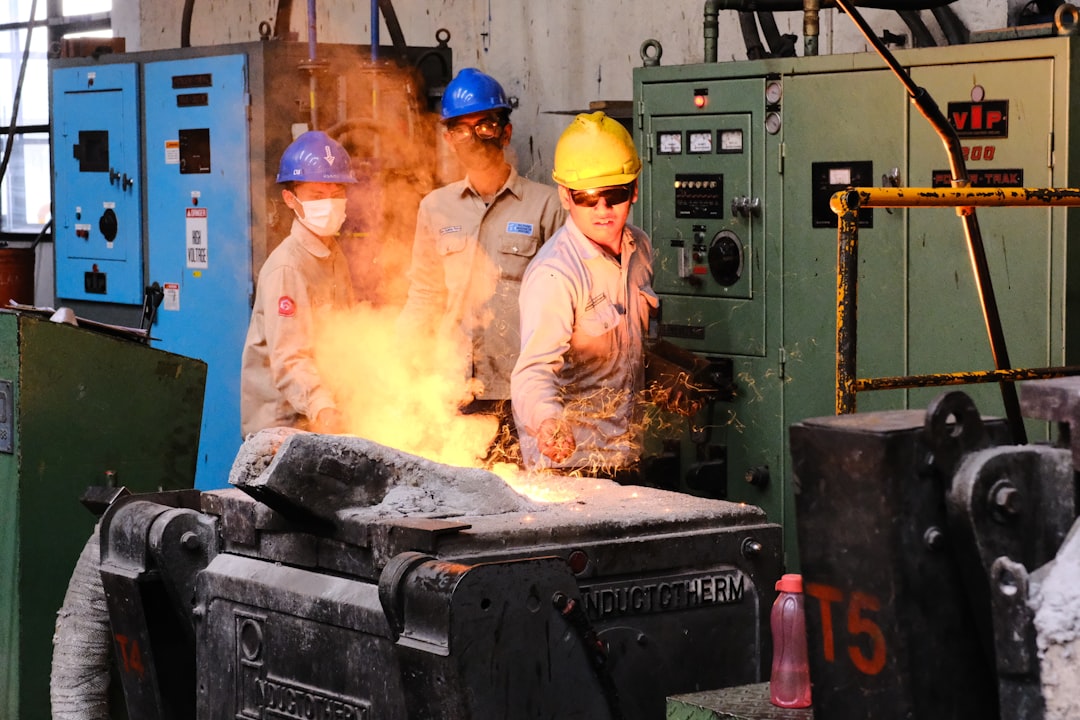
Starting a generator for a few minutes each month is not a sufficient test of its readiness. This low-load operation can lead to a condition called "wet stacking," where unburnt fuel and carbon build up in the exhaust system, reducing efficiency and reliability. The only way to truly verify that a generator can handle the demands of a real outage is through regular load bank testing. A load bank is a device that applies a controlled, artificial electrical load to the generator, forcing it to run at or near its full rated capacity. This stress test pushes the engine to its full operating temperature, burning off accumulated deposits. It validates the performance of the entire emergency power system—engine, alternator, and cooling systems—under real-world conditions, providing confidence that it will perform as designed when it matters most.
Beyond the Checklist: A Proactive Maintenance Regimen
Preventive maintenance is the key to generator reliability. A proactive maintenance program goes far beyond simple visual checks. It is a scheduled, data-driven process that ensures every component of the generator set is in optimal condition. Adhering to manufacturer-recommended service intervals is the absolute minimum. A best-in-class program includes regular checks and servicing of all critical systems.
| Maintenance Area | Key Tasks | Frequency |
|---|---|---|
| Fluid Systems | Check oil and coolant levels; Test fuel quality. | Weekly / Monthly |
| Battery System | Inspect terminals for corrosion; Check voltage and specific gravity. | Monthly |
| Engine Operation | Perform no-load exercise test. | Monthly |
| Full System Test | Conduct annual load bank test at full rated capacity. | Annually |
| Component Servicing | Replace oil, fuel, and air filters per manufacturer's guidelines. | Annually or by Hours |
This disciplined approach identifies potential issues before they can become causes of failure during an emergency.
Smart Power: The Role of Advanced Monitoring and Controls
Modern data center generators are no longer isolated machines. They are integrated into sophisticated building management and monitoring systems. Advanced controllers provide real-time data on dozens of operational parameters, from engine temperature and oil pressure to fuel consumption and electrical output. These systems can automatically flag anomalies and alert maintenance personnel to potential problems long before they become critical. Remote monitoring capabilities allow technicians to diagnose issues from anywhere, reducing response times and ensuring that the power system is always under expert supervision. This level of intelligence is crucial for managing the complex, multi-generator systems found in large data centers.
Securing Your Digital Future: Partnering for Uninterruptible Power
Achieving true power resilience isn't just about buying hardware; it's about developing a comprehensive strategy and partnering with experts. A reliable vendor will do more than just sell a generator. They will assist with proper sizing and configuration based on load requirements and redundancy goals, ensure seamless integration with ATS and UPS systems, and provide a tailored, long-term maintenance and testing plan. This partnership is a critical investment in ensuring the data center's uptime, protecting its reputation, and securing its role as a reliable pillar of the digital world. Ultimately, the silent, standby power of a well-maintained diesel generator fleet is what gives the cloud its unbreakable foundation.
For checking suitable generator product for your project— Contact NovArk Power
Get a free power system design consultation for your diesel generator set project. Our engineers will analyze your requirements and deliver a tailored generator solution.
This article is for informational purposes only. Specifications and availability may vary by region. Please contact NovArk Power for a confirmed quotation tailored to your project requirements.