Beyond Backup: Unpacking the Main Functions of a Diesel Generator Set for Uninterrupted Power
Beyond Backup: Unpacking the Main Functions of a Diesel Generator Set for Uninterrupted Power
Discover the critical functions of a diesel generator set, moving beyond its well-known role as a simple backup. This article explores its dual capacity as both an emergency standby.
What You Will Learn
- The Fundamental Role: Generating On-Demand Electrical Power
- Uninterrupted Operations: The Standby Power Function
- The Heart of Automation: How the Automatic Transfer Switch (ATS) Works
- Beyond Backup: The Prime Power Function
- Anatomy of a Powerhouse: Key Components of a Diesel Genset
- Standby vs. Prime vs. Continuous Power: What's the Difference?
- Ensuring Reliability: The Importance of Regular Maintenance
- Industries That Depend on Diesel Power
- The Economic Justification for Power Security
- Conclusion: More Than a Machine, It's Power Assurance
In a world that runs on electricity, power interruptions are more than an inconvenience; they are a critical threat to operations, safety, and revenue. The diesel generator set stands as the definitive solution, engineered for reliability when the grid fails. But its function extends far beyond simply waiting for an outage. The main purpose of a diesel generator is to provide a stable, independent source of electrical power, whether as a crucial backup or a continuous primary supply.
This comprehensive guide explores the core functions of diesel generator sets, their operational principles, and why they remain the backbone of power continuity for countless industries worldwide.
The Fundamental Role: Generating On-Demand Electrical Power
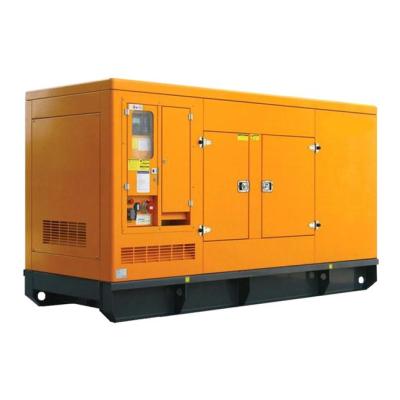
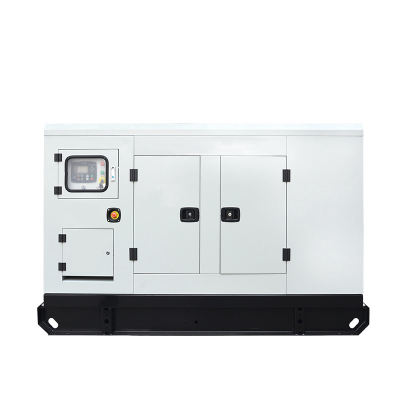
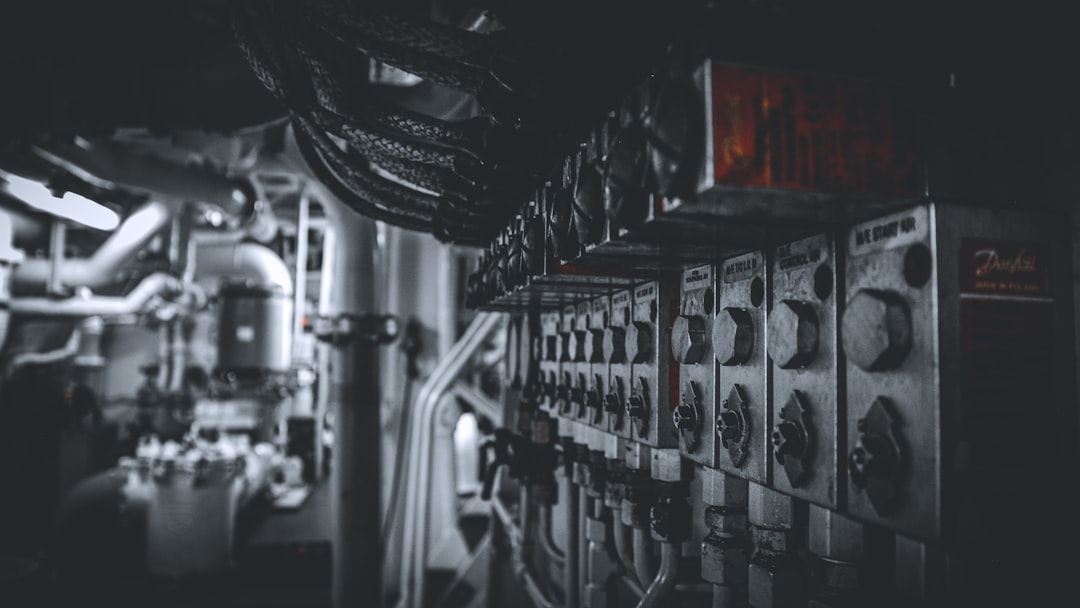
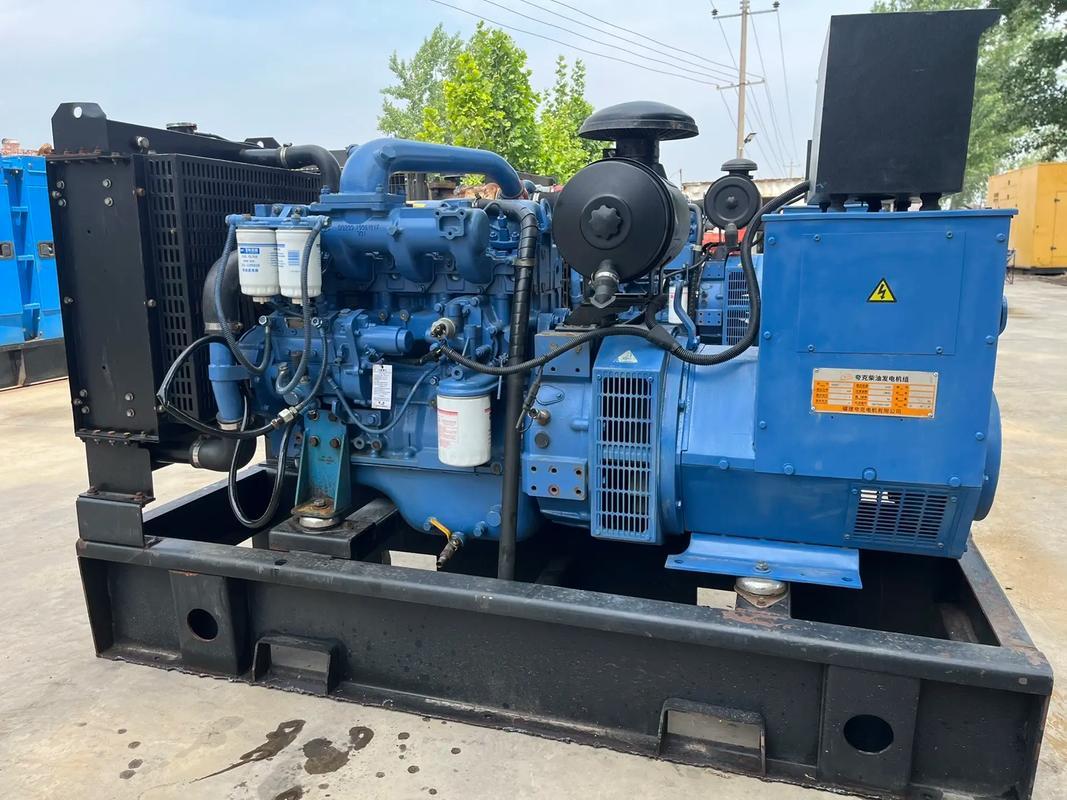
A diesel generator set, or 'genset,' is a self-contained unit comprising a diesel engine and an electric generator (alternator). Its primary function is a straightforward yet critical energy conversion process: the diesel engine burns fuel to create mechanical energy, which then spins the alternator to produce electrical energy. This simple principle allows it to function as a standalone power plant, ready to deliver electricity whenever and wherever it is needed.
Uninterrupted Operations: The Standby Power Function
The most recognized function of a diesel generator is providing standby or emergency power. When the primary power source—typically the public utility grid—fails, a standby generator automatically activates to keep essential systems running. This isn't just about convenience; for many sectors, it's about survival.
- Hospitals and Healthcare: Life-support machines, surgical equipment, and patient monitoring systems require constant power. A diesel generator ensures patient care is never compromised.
- Data Centers: Uninterrupted power is vital to prevent catastrophic data loss, protect sensitive information, and maintain cloud services.
- Manufacturing and Industrial: A power outage can halt production lines, leading to millions in lost revenue and wasted materials. Standby generators ensure operational continuity.
- Commercial Buildings: From emergency lighting and security systems to elevators and HVAC, generators keep buildings safe and functional during an outage.
The Heart of Automation: How the Automatic Transfer Switch (ATS) Works
The magic behind the seamless transition from grid power to generator power is the Automatic Transfer Switch (ATS). This intelligent device is the nervous system of a standby power setup. Its process is simple but crucial:
- Monitoring: The ATS constantly monitors the voltage from the utility grid.
- Detection: If it detects a power failure or a significant voltage drop, it instantly signals the diesel generator's control panel to start the engine.
- Transfer: Once the generator reaches the correct operating speed and voltage, the ATS safely disconnects the facility from the utility line and connects it to the generator, restoring power in seconds.
- Restoration: When grid power returns and stabilizes, the ATS transfers the load back to the utility and signals the generator to shut down, returning it to standby mode.
Beyond Backup: The Prime Power Function
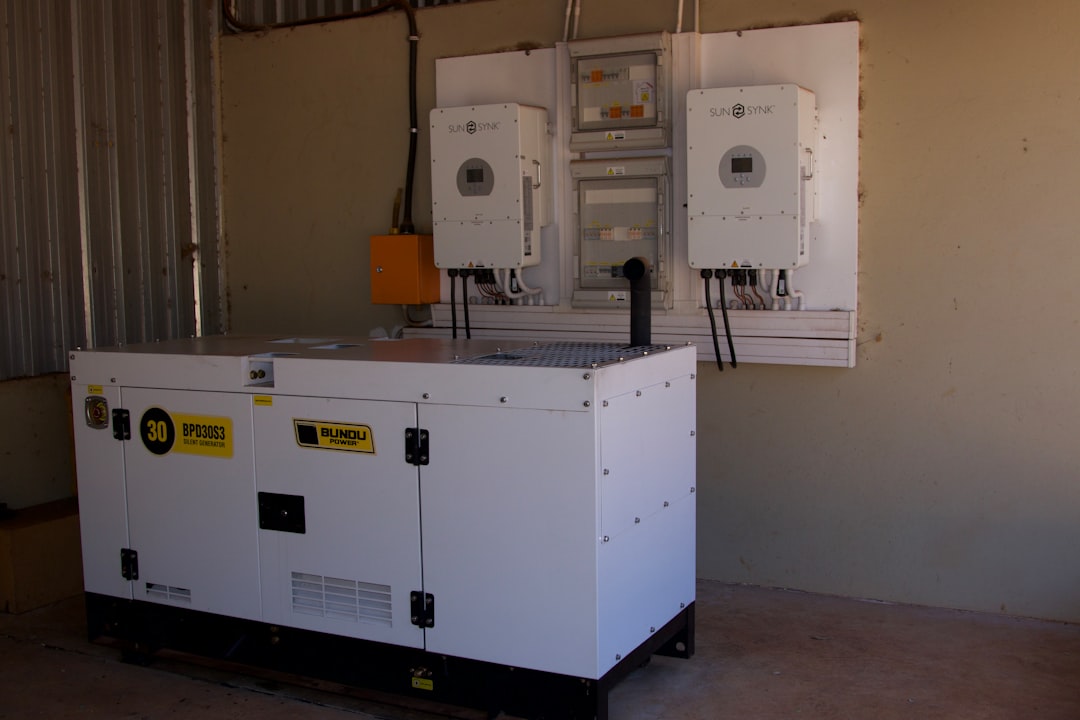
While standby power is its most common use, a diesel generator's other main function is to serve as a prime power source. This is essential in locations where the grid is nonexistent, unreliable, or too expensive to access.
In this capacity, the generator is not a backup; it is the primary and often only source of electricity. Prime power generators are engineered for continuous, long-term operation to power entire facilities or communities.
Common applications include:
- Remote mining and oil & gas operations
- Construction sites in undeveloped areas
- Off-grid agricultural farms
- Telecommunication towers in remote regions
- Island communities and remote villages
Anatomy of a Powerhouse: Key Components of a Diesel Genset
Understanding a diesel generator's function requires knowing its core components, all working in harmony:
- Diesel Engine: The prime mover. It's the source of the mechanical energy.
- Alternator: The generator head that converts the engine's mechanical energy into electrical energy through electromagnetism.
- Fuel System: Includes the fuel tank, fuel lines, and injectors that deliver a clean and steady supply of diesel to the engine.
- Control Panel: The 'brain' of the generator. It monitors and regulates all aspects of operation, from engine speed to voltage output and provides the interface for the ATS.
- Cooling & Exhaust Systems: Critical for managing heat and expelling emissions, ensuring the engine can run safely and efficiently for extended periods.
Standby vs. Prime vs. Continuous Power: What's the Difference?
Generator ratings define their intended function. Understanding these distinctions is critical for selecting the right equipment.
| Power Rating | Intended Use | Typical Operating Hours | Load Capability |
|---|---|---|---|
| Standby | Emergency backup during grid outages. | Up to 200 hours/year. | Can run at full rated capacity for the duration of an outage. |
| Prime | Primary power source in off-grid or unreliable grid areas. | Unlimited hours. | Designed to handle variable loads, typically at an average of 70% of its prime rating. |
| Continuous | Primary power source running at a consistent, non-varying load. | Unlimited hours. | Designed to run at 100% of its rated capacity continuously. Often used in niche applications like grid support. |
Ensuring Reliability: The Importance of Regular Maintenance
For a diesel generator to perform its main function flawlessly, it must be meticulously maintained. Whether for standby or prime power, reliability is paramount. A regular maintenance schedule ensures the generator will start and perform as expected during a critical moment. Key tasks include:
- Regularly checking fluid levels (oil, coolant, fuel)
- Testing the battery and charging system
- Inspecting belts and hoses for wear
- Performing periodic load bank testing to ensure it can handle its rated load
- Keeping the unit clean and free of debris
Industries That Depend on Diesel Power
The reliability of diesel generators makes them indispensable across a wide range of sectors. Their function as a guardian of power continuity supports critical infrastructure globally. Key industries include healthcare, telecommunications, data management, heavy construction, marine transport, and emergency services.
The Economic Justification for Power Security
Investing in a diesel generator set is not an expense; it's a strategic investment in risk management. The cost of a single major outage—measured in lost production, corrupted data, security breaches, and reputational damage—can far exceed the cost of a reliable backup power solution. The main function of a generator is, therefore, also to protect a business's bottom line.
Conclusion: More Than a Machine, It's Power Assurance
The main function of a diesel generator set is to provide absolute power assurance. It stands as a silent sentinel, ready to spring to life during an emergency (standby), or works tirelessly as the primary electrical heart of an off-grid operation (prime). By reliably converting fuel into electricity on demand, diesel generators empower homes, protect critical industries, and drive progress in the world's most remote corners, ensuring that when the lights go out, the power stays on.
Design Your Stable Emergency Power System — Contact NovArk Power
Get a free power system design consultation for your diesel generator set project. Our engineers will analyze your requirements and deliver a tailored generator solution.
This article is for informational purposes only. Specifications and availability may vary by region. Please contact NovArk Power for a confirmed quotation tailored to your project requirements.