The Unseen Guardian: Why Diesel Generator Engines Are Hospitals' Lifeline During a Crisis
The Unseen Guardian: Why Diesel Generator Engines Are Hospitals' Lifeline During a Crisis
In healthcare, a power outage is more than an inconvenience—it's a life-threatening event. This article explores why diesel generators are the gold standard for hospital emergency.
What You Will Learn
- The Critical Need for Uninterrupted Power in Hospitals
- Why Diesel Generators Are the Unrivaled Choice for Hospitals
- Decoding NFPA 110: The Gold Standard for Emergency Power
- The Core Components of a Hospital's EPSS
- Sizing and Selection: A Decision of Critical Importance
- The Automatic Transfer Switch (ATS): The Unsung Hero
- Fuel Management: Ensuring Long-Term Readiness
- Rigorous Maintenance and Testing: The Key to Reliability
- Mitigating Noise and Emissions: The Modern Approach
- The Future of Hospital Backup Power
The Critical Need for Uninterrupted Power in Hospitals
In the world of healthcare, consistent, reliable electricity is not a luxury; it is the fundamental bedrock upon which patient safety is built. Modern hospitals are complex ecosystems of life-sustaining technology, from ventilators in the ICU to surgical equipment in the operating room and diagnostic tools like MRI and CT scanners. A sudden loss of power can have catastrophic consequences, halting critical procedures, disabling life-support systems, and compromising the integrity of stored medical supplies like blood and vaccines. This makes a robust Emergency Power Supply System (EPSS) one of the most critical pieces of infrastructure in any healthcare facility.

Why Diesel Generators Are the Unrivaled Choice for Hospitals
While various backup power solutions exist, diesel generator engines remain the preferred choice for hospitals worldwide. Their dominance stems from a unique combination of reliability, rapid response, and fuel autonomy. Unlike natural gas generators, which depend on an external pipeline that can be compromised during natural disasters, diesel generators use on-site fuel storage. This self-sufficiency ensures that a hospital can remain an independent island of power, capable of full operation for extended periods, regardless of external grid failures. Their ability to start and accept a full electrical load in seconds is a non-negotiable requirement in a life-or-death environment.
Decoding NFPA 110: The Gold Standard for Emergency Power
The National Fire Protection Association (NFPA) sets the standards for safety, and for hospital emergency power, NFPA 110 is the governing document. This standard isn't a suggestion; it's a mandate that dictates the performance, installation, and testing of an EPSS. For hospitals, this typically means adhering to the most stringent classification: Level 1, Type 10. "Level 1" signifies that a power failure could lead to serious injury or loss of life. "Type 10" mandates that the generator must start and restore power to critical systems within a mere 10 seconds of a utility outage.
The Core Components of a Hospital's EPSS
A hospital's Emergency Power Supply System is more than just a generator. It's an integrated system of components working in perfect harmony:
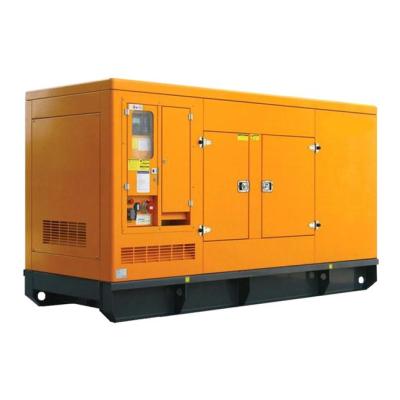
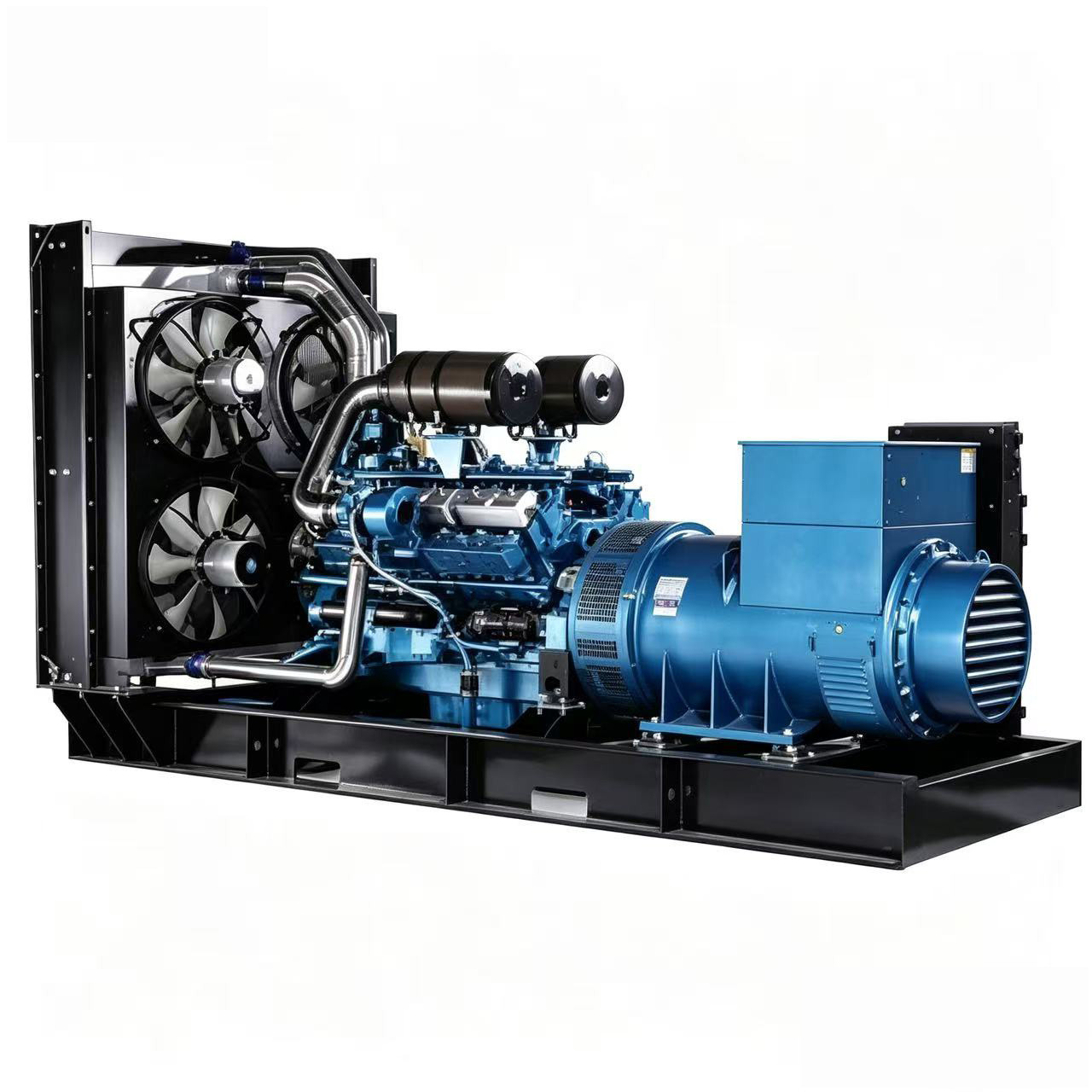
- The Diesel Generator Engine: The heart of the system, responsible for creating the electrical power.
- The Automatic Transfer Switch (ATS): The brain, which detects the loss of utility power and signals the generator to start before seamlessly transferring the electrical load.
- Fuel Storage System: The lifeblood, consisting of a large, on-site fuel tank (typically requiring a 96-hour supply per NFPA 110) and a day tank to ensure a constant supply.
- Control Panel and Monitoring Systems: The nervous system, allowing facility managers to monitor the generator's status, receive alerts, and review performance data.
Sizing and Selection: A Decision of Critical Importance
Choosing the right generator isn't about buying the biggest one. It's a meticulous process of calculation and foresight. Engineers must perform a detailed load analysis, identifying every piece of critical equipment—from life support and surgical suites (the critical branch) to emergency lighting and fire pumps (the life safety branch). The generator must not only handle this combined load but also have the capacity to manage the large inrush currents created when multiple motors start simultaneously. Undersizing a generator can lead to system failure, while significant oversizing is inefficient and costly.

The Automatic Transfer Switch (ATS): The Unsung Hero
The Automatic Transfer Switch (ATS) is arguably as important as the generator itself. This sophisticated device constantly monitors the incoming utility voltage. The instant it detects a failure or significant voltage drop, it isolates the facility from the utility grid and signals the generator to start. Once the generator reaches the correct voltage and frequency, the ATS transfers the building's electrical load to the generator. The entire process is seamless and occurs within the 10-second window mandated by NFPA 110. A coordinated system often uses an Uninterruptible Power Supply (UPS) to power the most sensitive electronics during the few seconds it takes for the generator to take over.
Fuel Management: Ensuring Long-Term Readiness
Having a 96-hour fuel supply is a regulatory requirement and a logistical necessity. This on-site fuel must be properly managed to ensure its quality. Diesel fuel can degrade over time, accumulate water, and become susceptible to microbial growth. A comprehensive fuel management program is essential, involving regular fuel quality testing, polishing (filtering), and treatment with biocides and stabilizers. Without this, even the best generator may fail to run when needed most.
Rigorous Maintenance and Testing: The Key to Reliability
An emergency generator that fails to start is just a large metal box. To ensure a generator will perform flawlessly, NFPA 110 mandates a strict regimen of inspection, testing, and maintenance (ITM). Facilities must conduct regular tests to prove compliance and guarantee reliability. This isn't just about starting the engine; it involves simulating a real outage and running the generator under a significant load.
| Test Type | Frequency | Description |
|---|---|---|
| Weekly | Once a Week | Visual Inspections: Check fuel levels, look for leaks, inspect battery terminals, and ensure the unit is in a state of readiness. |
| Monthly | Once a Month | 30-Minute Load Test: The generator is started and run under at least 30% of its nameplate kilowatt rating for 30 minutes. |
| Annual | Once a Year | Full Load Bank Test: A prolonged test (often 2-4 hours) using a load bank to run the generator at or near its full rated capacity. |
| 36-Month | Every 3 Years | Extended Load Test: A hospital must test its EPSS for a duration of 4 hours, proving it can sustain a long-term outage. |
Mitigating Noise and Emissions: The Modern Approach
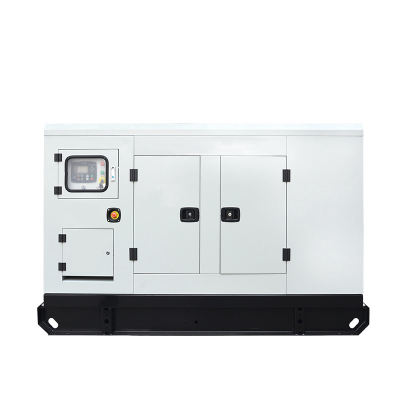
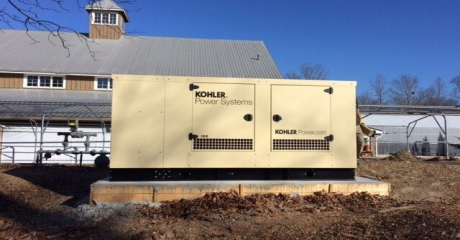
Early diesel generators were notoriously loud and polluting. However, modern technology has made significant strides in addressing these concerns. Hospital-grade generators are housed in sound-attenuated enclosures that dramatically reduce operational noise, a crucial factor for patient comfort and compliance with local ordinances. Furthermore, advanced engine technology and exhaust after-treatment systems, compliant with EPA Tier 4 standards, significantly reduce emissions of particulate matter and nitrogen oxides, making today's diesel generators much cleaner than their predecessors.
The Future of Hospital Backup Power
While diesel remains the king of reliability, the future may see a more diversified approach. Innovations in bi-fuel systems, which allow diesel engines to run on a mixture of diesel and natural gas, offer extended run times and lower emissions. The integration of large-scale battery storage (BESS) and microgrid technologies will provide even greater resilience and efficiency. However, for the foreseeable future, the proven reliability and on-site fuel independence of diesel engines will ensure they remain the critical component in safeguarding human life when the power goes out. The hum of a diesel generator during a storm is, and will continue to be, the sound of safety and security for patients and medical staff alike.
Design Your Stable Emergency Power System — Contact NovArk Power
Get a free power system design consultation for your diesel generator set project. Our engineers will analyze your requirements and deliver a tailored generator solution.
This article is for informational purposes only. Specifications and availability may vary by region. Please contact NovArk Power for a confirmed quotation tailored to your project requirements.