The Ultimate Guide to Generator Circuit Breakers: Function, Sizing, and Selection for Maximum Safety
The Ultimate Guide to Generator Circuit Breakers: Function, Sizing, and Selection for Maximum Safety
Unlock the secrets to generator safety and reliability. This comprehensive guide details the critical function of generator circuit breakers, providing expert.
What You Will Learn
- What Exactly is a Generator Circuit Breaker?
- Why a Dedicated Generator Breaker is Non-Negotiable
- Overload Protection vs. Short Circuit Protection
- The Core Principles: Understanding Amperage, Voltage, and Wattage
- How to Correctly Size Your Generator Circuit Breaker
- Step-by-Step Guide to Selecting the Right Breaker
- Understanding Different Types of Generator Circuit Breakers
- The Critical Role of a Transfer Switch
- Common Installation and Selection Mistakes to Avoid
- Maintenance and Testing for Long-Term Reliability
What Exactly is a Generator Circuit Breaker?
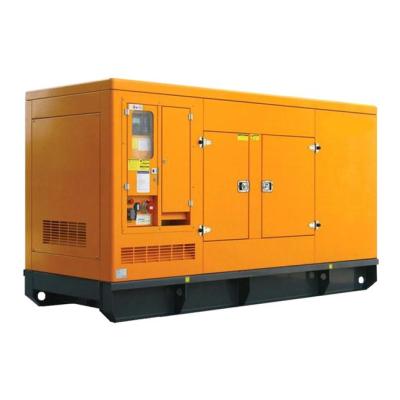
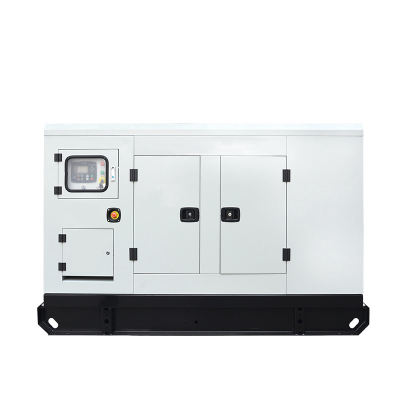
A generator circuit breaker is a specialized automatic electrical switch designed to protect your generator from damage caused by overcurrent, which includes both overloads and short circuits. It is the single most important safety component for your power generation system. Unlike standard circuit breakers found in a home's main panel, a generator breaker is specifically engineered to handle the unique electrical characteristics of a generator. Its primary job is to interrupt the flow of electricity automatically when it detects a fault, thereby preventing catastrophic damage to the generator's alternator windings and connected equipment.
Why a Dedicated Generator Breaker is Non-Negotiable
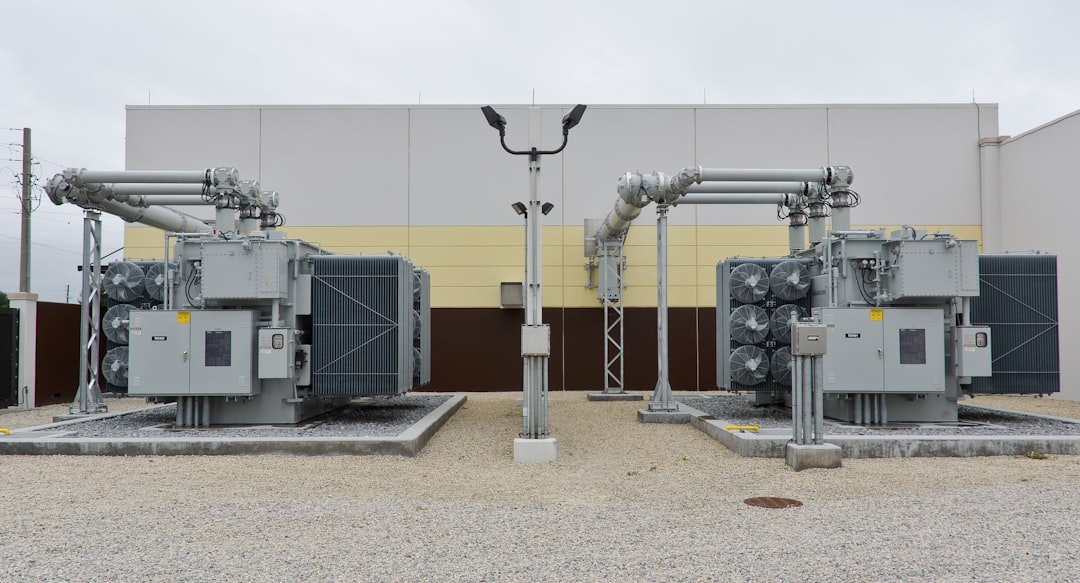
Using a standard breaker with a generator is a critical mistake. Generators have lower short-circuit current capacities compared to the electrical grid. A standard breaker may not trip fast enough during a fault from a generator source, leading to irreversible damage. A proper generator circuit breaker (GCB) is designed to be sensitive to the generator's specific output and fault characteristics. It ensures that the generator is disconnected before sustained overloads or short circuits can cause its windings to overheat and fail. Furthermore, regulations like the National Electrical Code (NEC) mandate appropriate overcurrent protection for the safety and reliability of the installation.
Overload Protection vs. Short Circuit Protection
It's crucial to understand these two distinct types of faults:
- Overload: This occurs when the equipment connected to the generator draws more current than the generator is rated for, but not at an extreme level. An example is connecting too many high-wattage appliances. This condition causes a gradual, but dangerous, temperature rise in the generator's windings. The thermal protection element of the breaker is designed to trip after a certain time delay if an overload persists.
- Short Circuit: This is a much more severe fault where an unintended, low-resistance path is created between electrical conductors. This results in a massive, near-instantaneous surge of current, hundreds or even thousands of times the normal level. The magnetic or instantaneous trip function of the breaker reacts immediately to this surge to disconnect the circuit and prevent a fire or explosion.
The Core Principles: Understanding Amperage, Voltage, and Wattage
To select a circuit breaker, you must be familiar with three fundamental electrical units:
- Wattage (W): Represents the total power consumed by a device.
- Voltage (V): Represents the electrical potential difference, which is typically fixed for your generator's output (e.g., 120V, 240V, 480V).
- Amperage (A): Represents the flow of electrical current. This is the value a circuit breaker is primarily rated for.
The relationship is simple: Watts / Volts = Amps. This formula is the foundation for sizing your generator breaker.
How to Correctly Size Your Generator Circuit Breaker
Sizing a generator breaker is a precise process that ensures both safety and functionality, preventing nuisance tripping while guaranteeing protection. The fundamental rule, based on NEC guidelines, is to rate the breaker for at least 115% to 125% of the generator's continuous full-load current rating.
Here’s a step-by-step calculation:
-
Determine the Generator's Full Load Current (Amps): Find the generator's output in watts (W) or kilowatts (kW) on its nameplate. Use the formula:
Amps = Watts / Volts.- Example: A 10,000-watt generator running at 240 volts has a full-load current of
10,000 W / 240 V = 41.67 A.
- Example: A 10,000-watt generator running at 240 volts has a full-load current of
-
Apply the 125% Continuous Load Factor: The NEC requires this safety margin for loads that run for three hours or more.
- Example:
41.67 A * 1.25 = 52.09 A.
- Example:
-
Select the Next Standard Breaker Size: You must round up to the next available standard breaker size. Standard sizes include 15A, 20A, 30A, 40A, 50A, 60A, etc.
- Example: For a calculated need of 52.09A, you would select a 60A breaker. Choosing a 50A breaker would be undersized and lead to nuisance tripping.
Step-by-Step Guide to Selecting the Right Breaker
Beyond just sizing, several factors go into selecting the correct model:
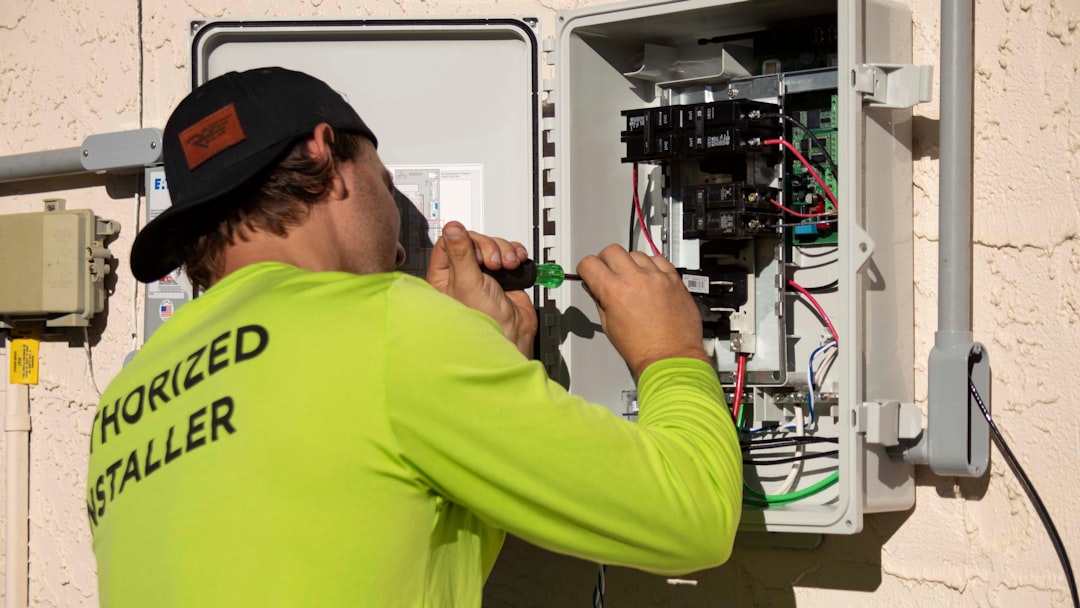
- Check the Voltage Rating: The breaker's voltage rating must be equal to or greater than the generator's output voltage.
- Verify the Interrupting Capacity: This rating (often called AIC or kA) indicates the maximum fault current the breaker can safely interrupt without failing. The breaker's interrupting rating must exceed the maximum short-circuit current the generator can produce.
- Determine the Number of Poles: This depends on your generator's wiring. Single-phase 120/240V generators require a 2-pole breaker, while three-phase generators require a 3-pole breaker.
- Choose the Right Type: For most applications, a thermal-magnetic breaker is sufficient. For larger, industrial generators, more advanced types like Molded Case Circuit Breakers (MCCBs) or Air Circuit Breakers (ACBs) with electronic trip units offer more precise and adjustable protection.
- Consider Environmental Factors (Derating): If the generator and breaker will operate in high ambient temperatures (above 40°C/104°F) or at high altitudes, the breaker's capacity must be derated according to the manufacturer's specifications. High heat reduces a breaker's ability to handle its rated current.
Understanding Different Types of Generator Circuit Breakers
While all serve the same core function, different applications demand different breaker technologies.
| Breaker Type | Typical Application | Key Features |
|---|---|---|
| Thermal-Magnetic Breaker | Portable and residential standby generators | Cost-effective, simple, provides both overload (thermal) and short-circuit (magnetic) protection. |
| Molded Case (MCCB) | Small to medium commercial and industrial generators | More robust, higher current ratings, can have adjustable trip settings, compact. |
| Air Circuit Breaker (ACB) | Large industrial generators (e.g., >1000kW) | Very high interrupting capacity, easily maintained, long service life, highly adjustable. |
| Generator Circuit Breaker (GCB) | Power plant and large-scale generation applications | Specifically designed for the high asymmetric fault currents unique to generator circuits. |
The Critical Role of a Transfer Switch
A generator circuit breaker protects the generator itself, but a transfer switch protects people and utility equipment. A transfer switch—whether manual or automatic—is a device that safely switches the electrical load between the utility power and the generator. Its most critical function is to ensure that the generator and the utility grid can never be connected at the same time. This prevents dangerous "backfeeding," which can electrocute utility workers and destroy equipment.
Common Installation and Selection Mistakes to Avoid
- Using a standard breaker: As discussed, this is the most dangerous mistake. It may fail to protect the generator.
- Undersizing the breaker: Choosing a breaker rated too low will result in frustrating and unnecessary shutdowns under normal load.
- Oversizing the breaker: This is extremely hazardous. An oversized breaker will not trip when it should, allowing excessive current to flow and potentially burn out the generator's windings or start a fire.
- Ignoring derating factors: Failing to account for high temperatures can lead to unexpected trips as the breaker's effective capacity is lower than its nameplate rating.
- Improper wiring: Incorrectly sized wires or loose connections can create a fire hazard and prevent the breaker from functioning correctly. The wire gauge must always be appropriate for the breaker's amperage rating.
Maintenance and Testing for Long-Term Reliability
Your generator circuit breaker is a low-maintenance device, but it's not "set it and forget it." For maximum reliability, follow these best practices:
- Regular Visual Inspection: Periodically check for any signs of overheating, such as discoloration or melted plastic around the terminals.
- Mechanical Testing: Once a year, manually switch the breaker off and on a few times to ensure the mechanical linkage moves freely. This helps prevent the mechanism from seizing.
- Professional Testing: For critical commercial or industrial applications, have a qualified technician perform an injection test every 3-5 years. This test passes a calibrated current through the breaker to verify that it trips at the correct level and within the specified time, confirming its protective capabilities.
Design Your Stable Emergency Power System — Contact NovArk Power
Get a free power system design consultation for your diesel generator set project. Our engineers will analyze your requirements and deliver a tailored generator solution.

This article is for informational purposes only. Specifications and availability may vary by region. Please contact NovArk Power for a confirmed quotation tailored to your project requirements.