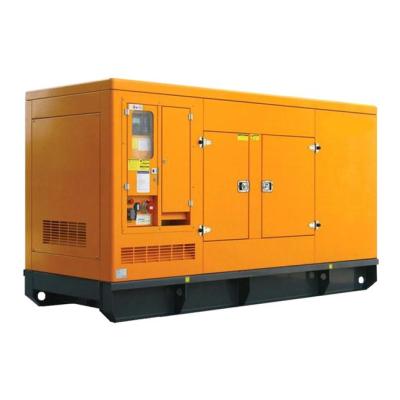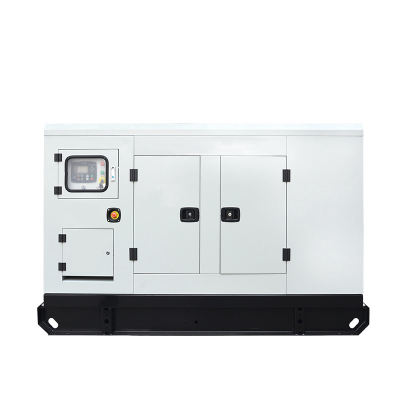
The Ultimate Guide to Diesel Generator Maintenance: A Comprehensive Checklist for Peak Performance
The Ultimate Guide to Diesel Generator Maintenance: A Comprehensive Checklist for Peak Performance
Unlock the longevity and reliability of your diesel generator. This guide provides a detailed maintenance checklist, covering everything from daily inspections to annual.
Your Definitive Diesel Generator Maintenance and Inspection Manual
A diesel generator is a cornerstone of reliability for any operation, providing crucial backup power during outages and serving as a primary power source in remote locations. However, its dependability is not automatic. Like any sophisticated piece of machinery, a diesel generator requires consistent, methodical maintenance to ensure it operates at peak performance and is ready to take the load at a moment's notice. Neglecting maintenance doesn't just risk operational failure; it can lead to costly repairs, reduced lifespan, and significant safety hazards.
This comprehensive guide breaks down the essential maintenance tasks into a clear, actionable schedule. By following these expert-backed procedures, you can guarantee the longevity and unwavering reliability of your power generation assets.
Preventive maintenance is the single most effective strategy to maximize your generator's reliability and lifespan. Regular inspections help identify minor issues like leaks, corrosion, or wear and tear before they escalate into major failures. This proactive approach not only saves substantial money on emergency repairs and parts replacement but also ensures the generator performs efficiently, consuming fuel optimally and delivering stable power output. For critical applications in hospitals, data centers, or industrial plants, this reliability is not just an advantage—it's a necessity.
Before undertaking any maintenance task, safety is paramount. Always start by disabling the generator to prevent accidental startup. This is typically done by setting the main control switch to the "Off/Reset" position. It's also wise to disconnect the negative cable from the starting battery to eliminate any risk of the engine cranking. Ensure the area is well-ventilated, clean, and free from clutter. If you are performing tests on a running unit, be mindful of hot exhaust components, moving belts, and high-voltage electrical connections.
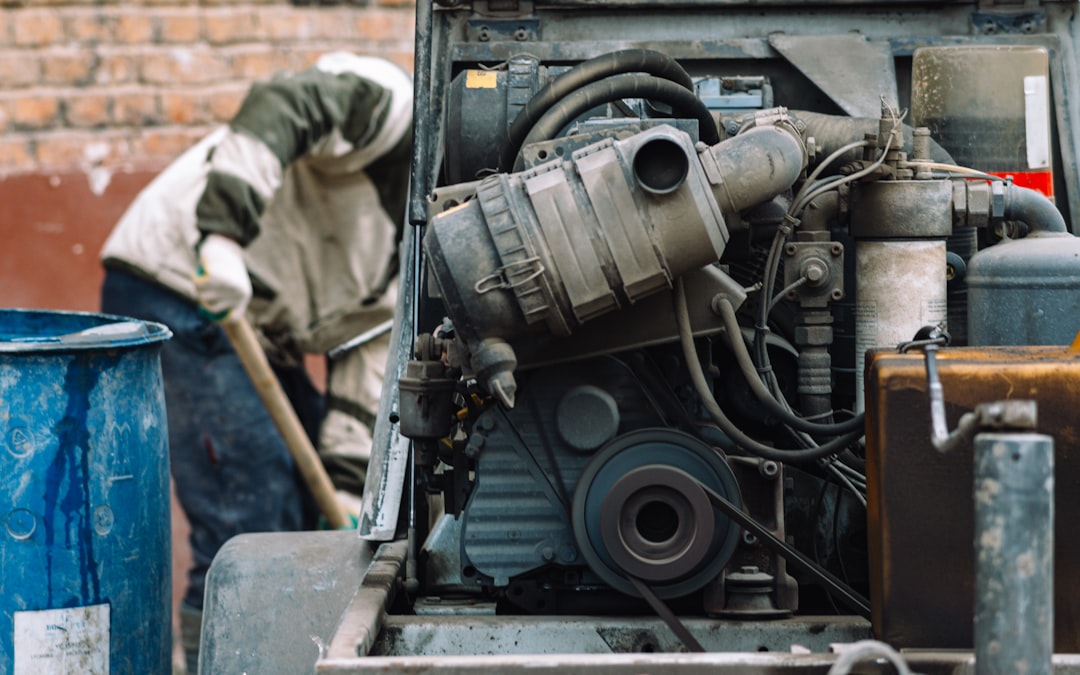
A quick daily inspection can preempt many common problems. This routine check takes only a few minutes but provides invaluable insight into the generator's health.
- Visual Inspection: Walk around the unit. Look for any fluid leaks (oil, coolant, or fuel) on the engine or on the floor beneath it.
- Fluid Levels: Check the engine oil and coolant levels to ensure they are within the manufacturer's recommended range.
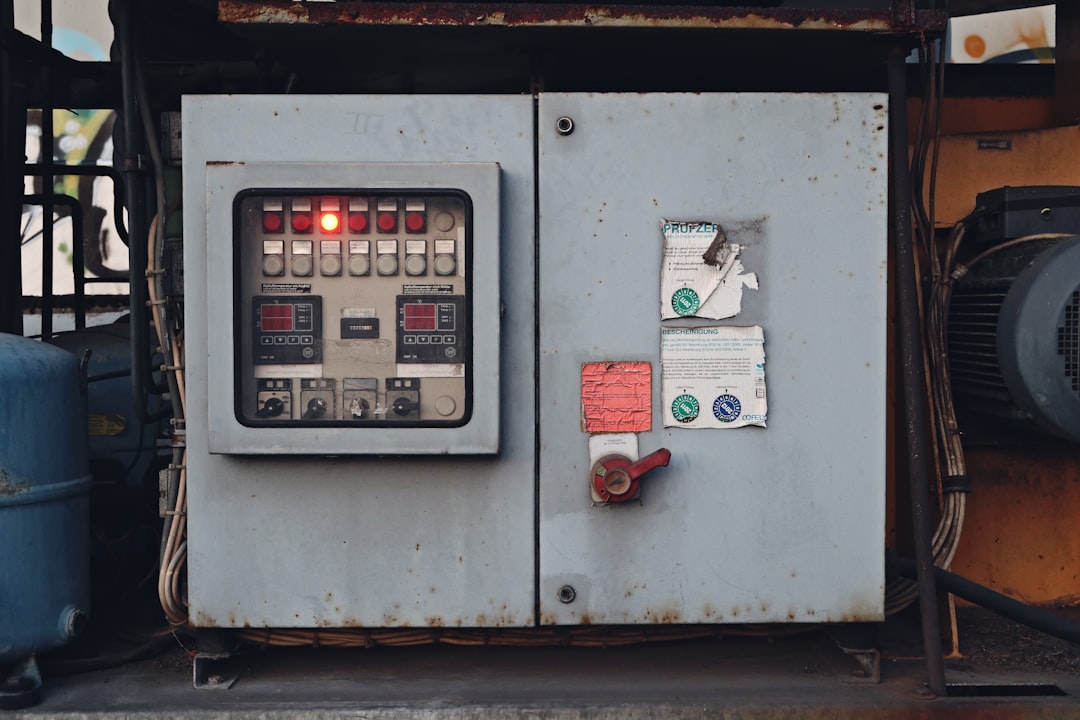
- Control Panel Check: Verify that the control panel shows no active alarms or warning lights. Ensure it is set to "Auto" mode for automatic startup.
- Area Clearance: Make sure the area around the generator is clear of any obstructions that could impede airflow or access.
Once a week, perform a slightly more in-depth inspection, including starting the generator to ensure it operates correctly.
- Start and Run the Generator: Run the generator for at least 30 minutes under no load (or a light load if possible). This helps keep engine parts lubricated, burns off moisture, and recharges the battery.
- Listen for Unusual Noises: During operation, listen for any strange sounds like knocking, rattling, or excessive vibration.
- Check Gauges: Monitor the oil pressure, coolant temperature, and voltage output to ensure they are stable and within the normal operating parameters.
- Exhaust System Inspection: Check the exhaust system for any leaks, which can be identified by black soot trails around connections.

Monthly checks are more hands-on and focus on maintaining the core health of the engine and its supporting systems.
- Coolant Concentration: Use a coolant test kit or refractometer to check the antifreeze and additive concentration. A proper balance is crucial for both freeze protection and corrosion prevention.
- Battery Health: Inspect the starting batteries. Clean the terminals of any corrosion using a wire brush and ensure all connections are tight. Check the electrolyte level in flooded batteries and top up with distilled water if necessary.
- Fuel Water Separator: Drain any water and sediment collected in the fuel water separator to prevent it from reaching the engine.
Diesel fuel quality is a leading cause of generator failure. Fuel can degrade in as little as six months, leading to microbial growth (algae), sludge, and water accumulation.
- Fuel Level: Always ensure the tank has an adequate fuel supply.
- Fuel Quality: If fuel has been stored for over a year, it should be tested and polished (filtered). Stale fuel can clog filters and injectors, causing the engine to stall or fail to start.
- Inspect Fuel Lines: Visually inspect all fuel lines and fittings for cracks, abrasions, or leaks.
The electrical system is the command center of your generator. Its proper function is critical for both starting the unit and delivering clean power.
- Wiring and Connections: Visually inspect all wiring for fraying, cracking, or signs of heat. Use a torque wrench on critical connections annually to ensure they haven't loosened due to vibration.
- Control Panel Integrity: Keep the control panel clean and dry. Check that all indicator lights and gauges are functional.
- Circuit Breakers: Ensure the main circuit breaker is in the correct position and has not tripped. Manually exercise breakers annually to ensure they operate freely.
- Automatic Transfer Switch (ATS): Test the ATS monthly to simulate a power outage and verify that the generator starts and transfers the load correctly.
An annual service is a major maintenance event that should ideally be performed by a qualified technician. This service ensures all systems are reset to optimal condition.
- Change Oil and Filters: Replace the engine oil, oil filter, fuel filter, and air filter. Old filters are a primary cause of performance loss and engine damage.
- Flush the Cooling System: Depending on the manufacturer's recommendations (typically every two years), flush the entire cooling system and replace the coolant.
- Inspect Belts and Hoses: Check all drive belts for cracks and proper tension. Inspect all coolant and fuel hoses for softness, cracking, or bulging.
- Load Bank Testing: Perform a load bank test. This involves applying a simulated electrical load to the generator for an extended period, which cleans out engine carbon deposits, verifies cooling system performance under load, and confirms the alternator's ability to handle its rated capacity.
Documenting all maintenance activities is crucial for demonstrating compliance and tracking the generator's history. A detailed log helps you remember what was done and when, and it provides invaluable information for troubleshooting future issues.
Here is a sample maintenance schedule table:
| Frequency | Task | Check |
|---|---|---|
| Daily | Visual Inspection for Leaks | |
| Check Oil & Coolant Levels | ||
| Check Control Panel for Alarms | ||
| Weekly | Run Generator (30 mins) | |
| Check for Unusual Noises/Vibration | ||
| Monthly | Check Coolant Concentration | |
| Inspect & Clean Battery Terminals | ||
| Drain Fuel Water Separator | ||
| Annually | Change Oil and Filters (Oil, Fuel, Air) | |
| Flush Cooling System (as needed) | ||
| Perform Load Bank Test | ||
| Inspect Belts and Hoses | ||
| Check/Tighten Electrical Connections |
A diesel generator is a significant investment designed to provide power when it is most needed. Its ability to fulfill that promise rests entirely on a foundation of diligent, preventive maintenance. By following a structured maintenance plan—from daily visual checks to comprehensive annual servicing—you ensure your generator remains a reliable asset, ready to perform flawlessly for years to come. Do not wait for a failure to appreciate the importance of maintenance; make it a core part of your operational routine.
Design Your Stable Emergency Power System — Contact NovArk Power
Get a free power system design consultation for your diesel generator set project. Our engineers will analyze your requirements and deliver a tailored generator solution.
This article is for informational purposes only. Specifications and availability may vary by region. Please contact NovArk Power for a confirmed quotation tailored to your project requirements.